Experts Discuss Age and Safety for Kids in Competitive Sports
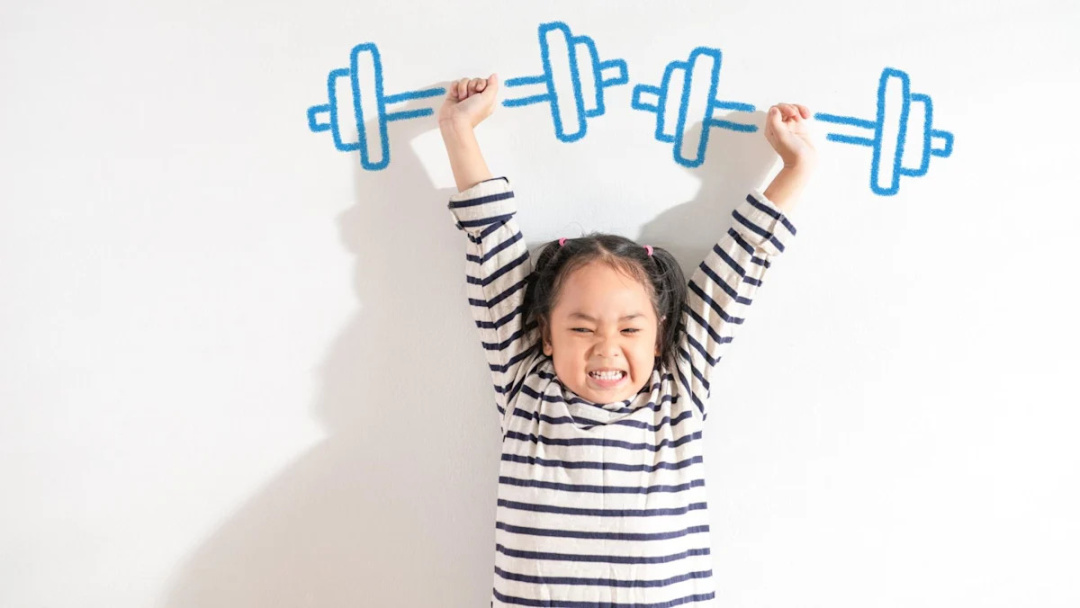
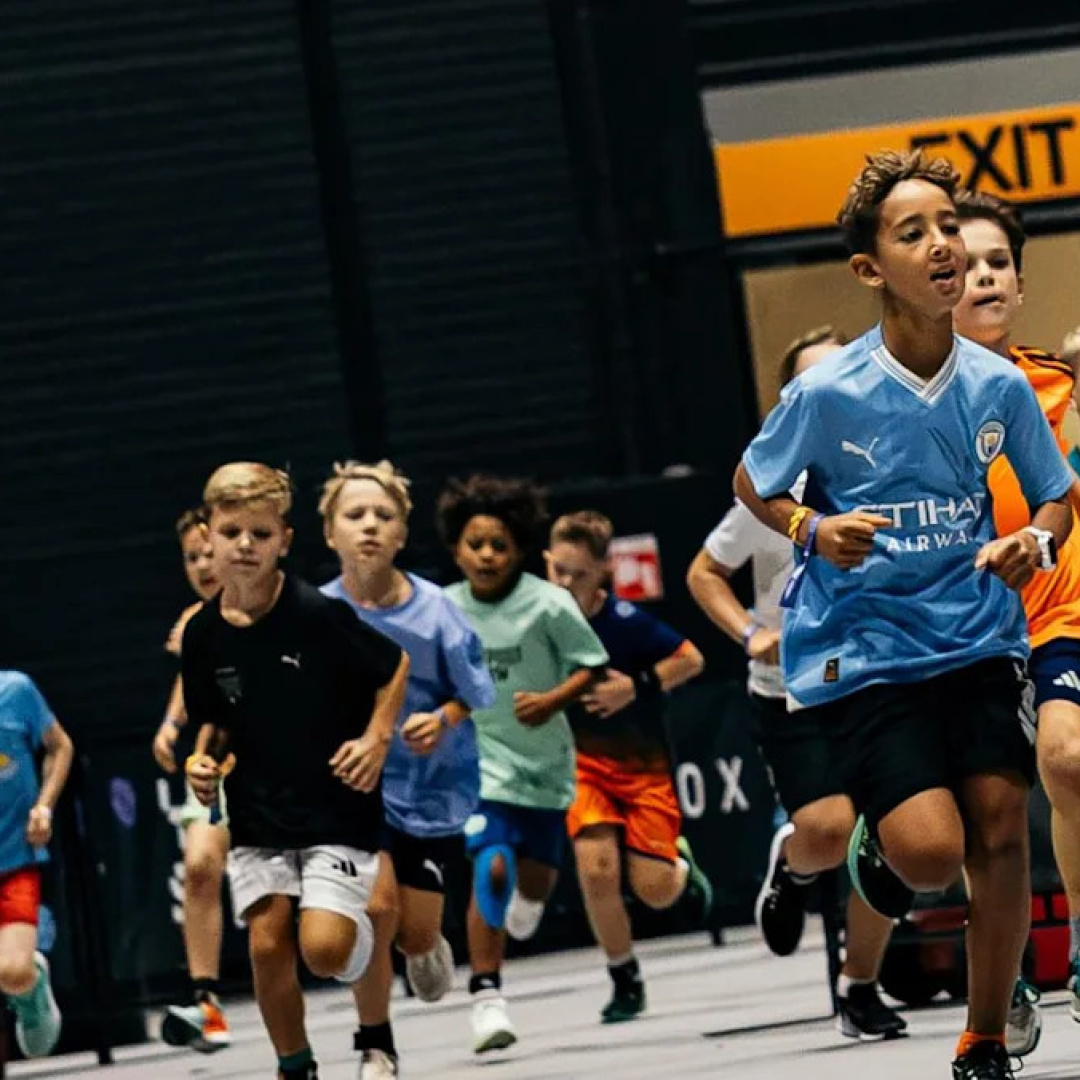
With the introduction of the Hyrox Youngstars event, more children are being encouraged to participate in competitive sports. Experts are weighing in on the appropriate age for children to start, the risks of injury, and the importance of fostering a healthy competitive spirit. Dr. Benny Loo, a senior consultant at KK Women’s and Children’s Hospital, notes that there is no universal minimum age for children to engage in organized physical activities. Instead, readiness is determined by a child's ability to follow instructions and engage safely with peers.
Active play and movement-based activities can begin as early as three to five years of age, according to Dr. Abiramy Anathan, a family physician. The focus for this age group should be on enjoyment and developing fundamental movement skills, such as running and jumping. Importantly, early participation does not guarantee long-term success; rather, enjoyment and quality coaching are key factors in sustained participation.
For the Training Room
Sponsor press complete.
Starting young can instill a sense of health and fun associated with being active, as highlighted by Dr. Michelle Cleere, a mental training coach. The physical benefits of sports include improved cardiovascular fitness and muscle strength, while social benefits encompass teamwork and communication skills. Dr. Loo emphasizes that the developmental value of competition is maximized when the focus is on learning and personal improvement rather than solely on winning.
However, the question of specialization arises. Dr. R Jay Lee, an expert in pediatric orthopedics, explains that while specialization in a single sport can occur, it is generally recommended that children participate in a variety of sports to avoid overuse injuries. The American Academy of Pediatrics advises against specializing until late adolescence, around 15 or 16 years old. This is due to the fact that younger children may lack the skills and attention span necessary for intensive training.
Encouraging Diverse Athletic Experiences
The guidelines for multisport participation are supported by examples of successful athletes like Eileen Gu, who benefited from exposure to various sports during her youth. The Families for Life website suggests activities ranging from ball games to martial arts to provide children with diverse experiences. As the Hyrox Youngstars event approaches, the training sessions are designed to be age-appropriate, with adjustments made to the intensity and type of exercises based on the children's capabilities.
Coaching plays a significant role in ensuring that children learn to pace themselves and understand their limits. Samuel Lim, director of training at The Gym Pod, emphasizes the importance of allowing children to explore their skills through play while providing guidance. Parents are encouraged to communicate openly with their children about their readiness and feelings towards participation.
Make it work for you
While preparing for events, it is crucial for children to develop basic skills and confidence in their abilities. Emotional readiness is equally important, as competing too soon can lead to increased anxiety and decreased enjoyment. Dr. Abiramy suggests that children should aim for at least 60 minutes of physical activity daily, with appropriate supervision and rest days to prevent overtraining.
In conclusion, while competitive sports can offer numerous benefits for children, it is essential to approach their introduction with care. Parents and coaches should prioritize enjoyment, skill development, and emotional support to foster a lifelong love for sports. As Dr. Loo points out, the role of parents in shaping healthy attitudes towards competition cannot be understated, as children learn resilience and the value of effort through their experiences in sports.