Study Examines Ice Baths and Their Impact on Muscle Growth
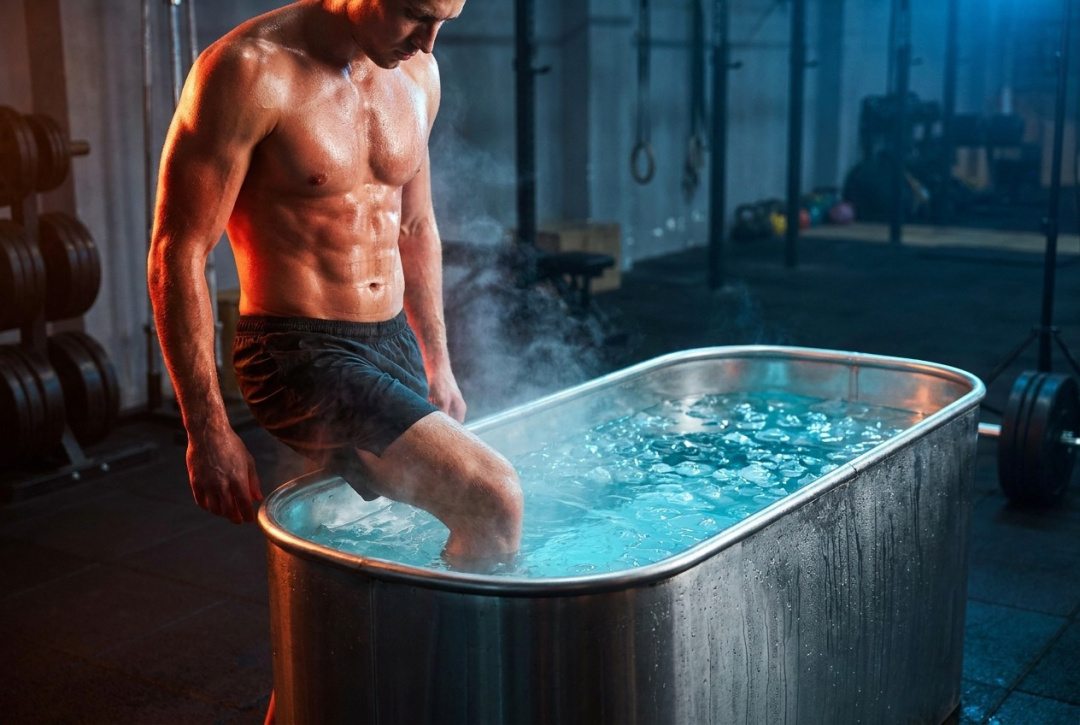
Cold-water immersion, commonly known as ice baths, has gained popularity among athletes and gym enthusiasts for its purported recovery benefits. However, a recent umbrella review published in the journal Sports Medicine – Open raises concerns about the potential negative effects of this practice on muscle growth and strength gains following weightlifting sessions. Led by Erfan Berjisian from Edith Cowan University in Australia, the research team analyzed 15 systematic reviews that collectively examined 161 studies involving 3,210 participants, primarily healthy young adults, both trained and untrained.
The findings suggest that while cold-water immersion can provide short-term relief from muscle soreness, its long-term effects on strength and muscle development may be detrimental. The review highlights that the benefits of cold plunges may vary depending on the type of exercise performed, as well as the timing and frequency of immersion. For instance, endurance activities like running or cycling showed some immediate benefits from cold immersion, but these effects did not consistently translate to improved recovery for weightlifters.
For the Training Room
Sponsor press complete.
Interestingly, the analysis indicates that cold-water immersion does not significantly enhance recovery of maximum strength in weightlifters, with no consistent improvements observed even up to seven days post-exercise. Furthermore, a separate review pointed out that repeated cold-water immersion after resistance training likely reduces muscle development, although the impact appears to be relatively small. This aligns with earlier research published in the Journal of Physiology, which found that post-exercise cold-water immersion could attenuate long-term gains in muscle mass and strength by affecting key muscle adaptation processes.
The timing of cold-water immersion plays a crucial role in its effectiveness. For explosive movements, such as jumping, performance may decline immediately following a cold plunge, likely due to the cooling effect on muscle contraction. While muscle soreness may decrease for up to four days after intensive workouts, the overall implications for strength training are less encouraging.
Effects of Immersion Techniques on Strength Gains
The review also noted that the area of the body exposed to cold water could influence outcomes. Immersing only specific limbs was associated with smaller strength gains, while whole-body immersion showed no clear adverse effects. However, the researchers caution that the lack of evidence for harm does not imply that the practice is entirely beneficial.
Despite the widespread belief in the efficacy of ice baths, the authors of the review rated the trustworthiness of the evidence as low to very low for many findings, emphasizing the need for more rigorous research. Notably, only about 10% of the participants in the analyzed studies were women, leaving a gap in understanding how cold-water immersion affects female athletes.
Get buff
Given these findings, the researchers recommend that lifters focused on muscle growth reconsider the routine use of ice baths after heavy training sessions. Instead, they suggest reserving cold-water immersion for situations where rapid recovery is essential, such as in competitive events where athletes face back-to-back matches.
The review underscores the complexity of recovery strategies in strength training and the need for athletes to tailor their approaches based on their specific goals and the scientific evidence available. As the fitness community continues to explore the best practices for recovery, understanding the nuanced effects of interventions like cold-water immersion will be vital for optimizing performance and muscle development.