Velocity-Based Training Outperforms Percentage-Based Training in Lion Dance
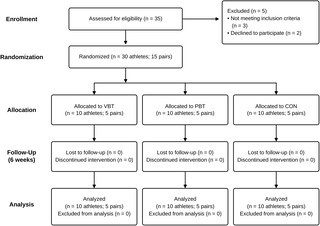
A recent study published in PLOS One examined the effects of velocity-based training (VBT) versus percentage-based training (PBT) on technical error rates among collegiate lion dance athletes. Lion dance, recognized as an important aspect of Chinese cultural heritage, requires exceptional strength, explosive power, and precise movement. The study aimed to determine whether VBT could improve technical performance more effectively than traditional PBT, which prescribes loading based on a percentage of an athlete's one-repetition maximum (1RM).
Thirty collegiate athletes were recruited and randomly assigned to one of three groups: a VBT group, a PBT group, and a regular-training control group. Over six weeks, both training groups engaged in a regimen of back squats and strict overhead presses, with the VBT group utilizing real-time velocity feedback to maintain a specific velocity-loss threshold during their workouts. The PBT group followed a progressive loading protocol based on their 1RM. All participants continued their regular lion dance training alongside these interventions.
For the Training Room
Sponsor press complete.
The results indicated that the VBT group significantly reduced technical error rates in both the sitting-on-shoulder and standing-on-leg techniques compared to the control group and the PBT group. Specifically, from the third week onward, the VBT group showed a marked improvement, with adjusted mean differences indicating a reduction of 35.5 percentage points in sitting-on-shoulder errors compared to the control group. Similar trends were observed for the standing-on-leg technique, where VBT participants also outperformed their peers.
Evaluating Strength Gains from Training Methods
In addition to technical performance, the study also measured maximal strength outcomes. Both VBT and PBT resulted in significant strength gains compared to the control group, though the differences between VBT and PBT were marginal. This suggests that while VBT offers a technical advantage, both training methods can be effective for strength development in lion dance athletes.
Improve your workout
The findings underscore the potential of velocity-based training to enhance performance in sports that demand high levels of technical skill and strength. The study's authors recommend larger, multi-center trials to further investigate these preliminary findings and their implications for training in traditional sports.
This research highlights the importance of tailored training methods in optimizing athletic performance, especially in technique-dependent sports like lion dance. The ability to adjust training loads based on real-time feedback may provide athletes with a significant edge in both strength and technical execution, paving the way for improved outcomes in competitive settings.