Four-Minute Daily Strength Training Boosts Mobility in Older Adults
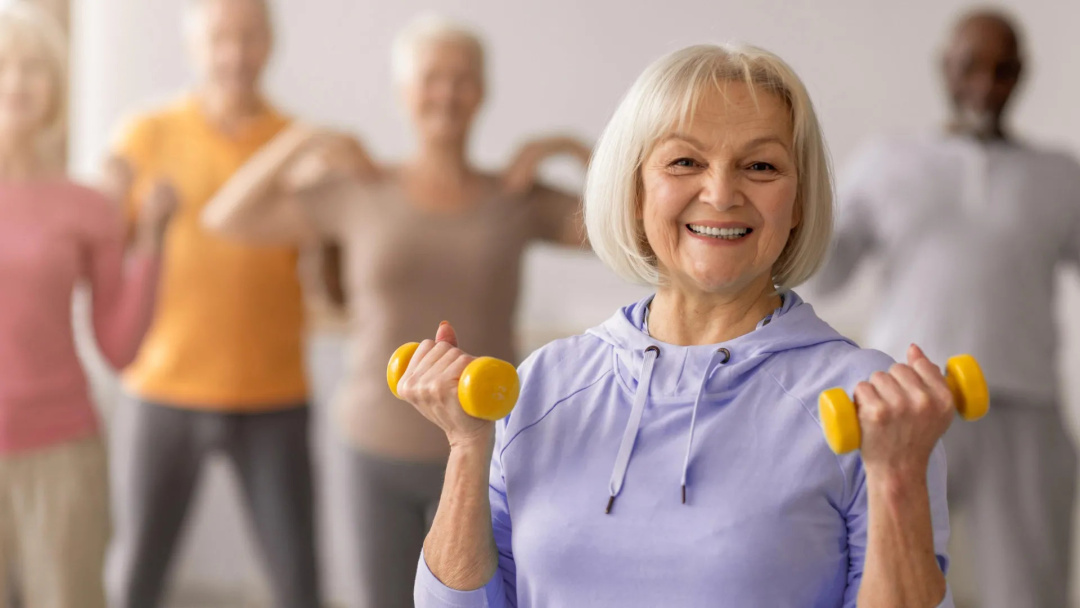
A new study led by researchers at Penn State College of Medicine has found that a daily strength training routine lasting just four minutes can lead to significant improvements in strength, balance, and mobility among older adults. This research challenges the common belief that maintaining physical fitness in later years requires lengthy and demanding workout sessions. Published in the journal PLOS One, the study highlights the potential for minimal exercise to yield substantial benefits for individuals aged 65 and older, particularly in reducing fall risk and enhancing overall health and longevity.
The study involved 97 participants with an average age of 74, who were randomly assigned to either a group that followed the four-minute exercise program or a control group with no intervention. Over a span of 12 weeks, those participating in the exercise program demonstrated meaningful gains in physical performance, particularly in tasks that reflect daily activities such as standing from a seated position and maintaining balance on one leg. These improvements are crucial as they directly relate to the ability to live independently and the prevention of falls, which are a leading cause of injury in older adults.
For the Training Room
Sponsor press complete.
Christopher Sciamanna, the lead author of the study, emphasized that even brief exercise routines can lead to significant enhancements in mobility and physical function. He noted that the human body is capable of rapid improvement with regular, albeit short, workouts. The study's findings suggest that older adults need not engage in lengthy exercise sessions to achieve meaningful results. Instead, a simple, consistent routine can suffice to maintain and even improve physical capabilities.
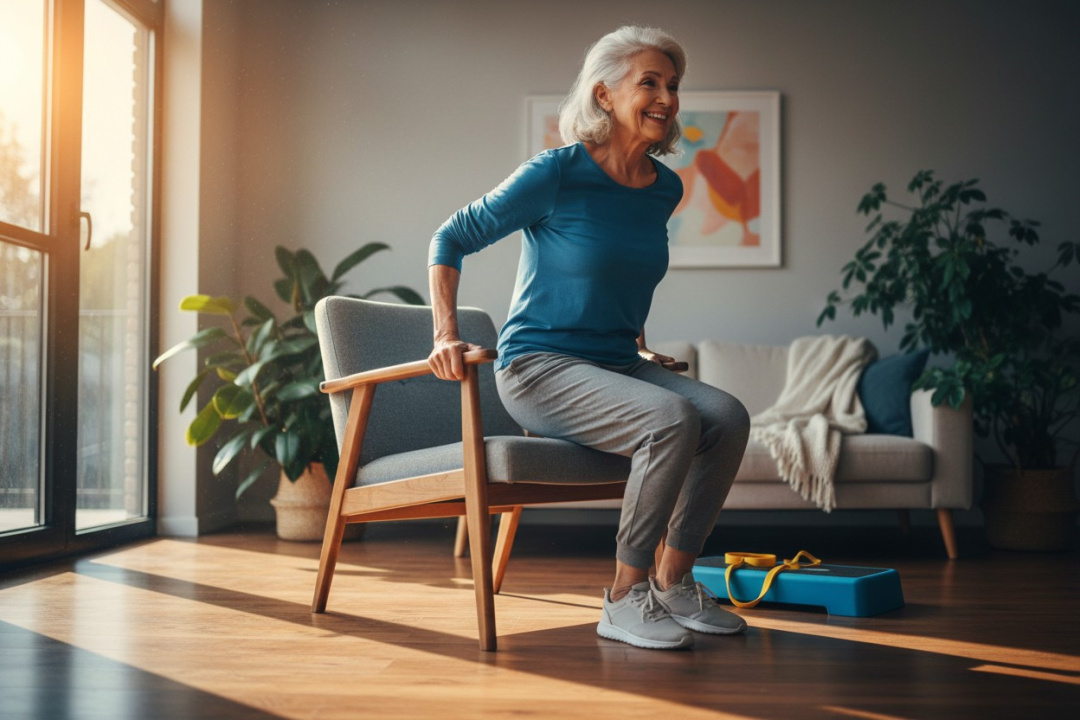
The four-minute exercise program, referred to as FAST-2, consisted of four basic movements: push-ups, squats, chair stands, and balance exercises. Each exercise was performed for 30 seconds, followed by a 30-second rest, totaling just four minutes per session. Participants were equipped with elastic resistance bands and an adjustable-height stepper to facilitate the exercises, along with written instructions to guide them through the movements. The program also included modifications to accommodate varying physical abilities, ensuring that all participants could engage with the exercises effectively.
Results indicated that participants were able to follow the program consistently, completing their exercises on 81% of days throughout the study. This high adherence rate suggests that a brief and straightforward workout can be more easily integrated into daily life compared to traditional, longer exercise programs. The researchers argue that even a small amount of regular resistance training can significantly enhance physical function, providing a practical starting point for older adults who may be largely inactive.
Significant Gains in Strength and Balance
The improvements observed in the participants were not only statistically significant but also reflected essential physical abilities necessary for maintaining independence. Stronger legs and improved balance can facilitate everyday tasks like climbing stairs or getting up from a chair, which are critical for quality of life as individuals age. Sciamanna pointed out that these physical tests can serve as indicators of future health, including the likelihood of falls and the potential need for assisted living.
While the study did not directly measure whether participants experienced fewer falls, the findings suggest that short, consistent workouts could help preserve the abilities closely tied to independent living. The researchers advocate for a shift in perspective regarding exercise in older adults, emphasizing that even minimal efforts can yield substantial benefits. Ultimately, the goal of exercise extends beyond physical strength; it is about maintaining the freedom to engage in life and perform activities that bring joy and fulfillment.
Improve Your Workout
The results of this study reinforce the notion that exercise does not need to be time-consuming to be effective. By focusing on short, targeted movements that support daily activities, older adults can enhance their strength, mobility, and overall independence. For those who may find traditional workout programs daunting, this four-minute routine offers a manageable and impactful way to incorporate strength training into their lives. As Sciamanna aptly stated, "Exercise is the key to freedom," emphasizing the importance of maintaining the ability to do what one loves as they age. This research not only provides hope for improved physical function in older adults but also encourages a broader understanding of how accessible and beneficial strength training can be for maintaining an active lifestyle.