Strength Training Benefits for Women Over 50

As women age, particularly after the age of 50, they face a natural decline in muscle mass, losing about 3%-5% per decade starting around age 30. To combat this loss, engaging in regular strength training becomes essential. This form of exercise not only helps in building muscle but also enhances overall physical function, making everyday tasks easier and reducing the risk of injury.
Everyday activities, such as carrying groceries or lifting boxes, become more manageable with stronger muscles. Strength training enhances the ability to perform these tasks safely. For example, performing push-ups—whether in a plank position, on the knees, or against a wall—can significantly improve upper body strength. This exercise can be done in sets of three, with eight repetitions each, focusing on maintaining a straight spine and controlled movements.
For the Training Room
Sponsor press complete.
Another vital movement is the squat, which strengthens the muscles used in sitting and standing. By lowering into a squat while keeping a neutral spine and strong core, women can maintain the muscle health necessary for daily activities. This exercise can also be performed with the aid of a chair for safety, aiming for three sets of eight repetitions.
Muscle strength is crucial for joint support, especially as joints can wear down with age. Strength training can alleviate some of the pressure on joints, particularly for those with conditions like arthritis. Simple exercises such as standing arm raises can bolster shoulder joint support. Using light weights, this exercise can be performed in sets of ten repetitions, gradually increasing the number of sets as strength improves.
Moreover, active muscles utilize glucose for energy, which can enhance the body's insulin sensitivity and blood sugar management. Engaging in strength training before meals may further optimize these benefits. Resistance band exercises, such as seated rows, can be effective in this regard, promoting muscle engagement and metabolic health.
Strength Training's Mental Health Benefits
Research indicates that strength training may also alleviate symptoms of depression and anxiety, making it an essential component of mental health for older adults. Outdoor strength training can provide additional mood-boosting benefits due to natural light exposure. Lunges, for instance, can enhance lower body strength and balance, which is vital for maintaining independence as one ages.
Post-menopause, women experience a drop in estrogen levels, which can accelerate bone loss. Strength training not only helps in slowing this process but can also promote bone density. Exercises like step-ups, which involve stepping onto a platform, can stimulate bone strength and should be performed in sets of eight repetitions for each leg.
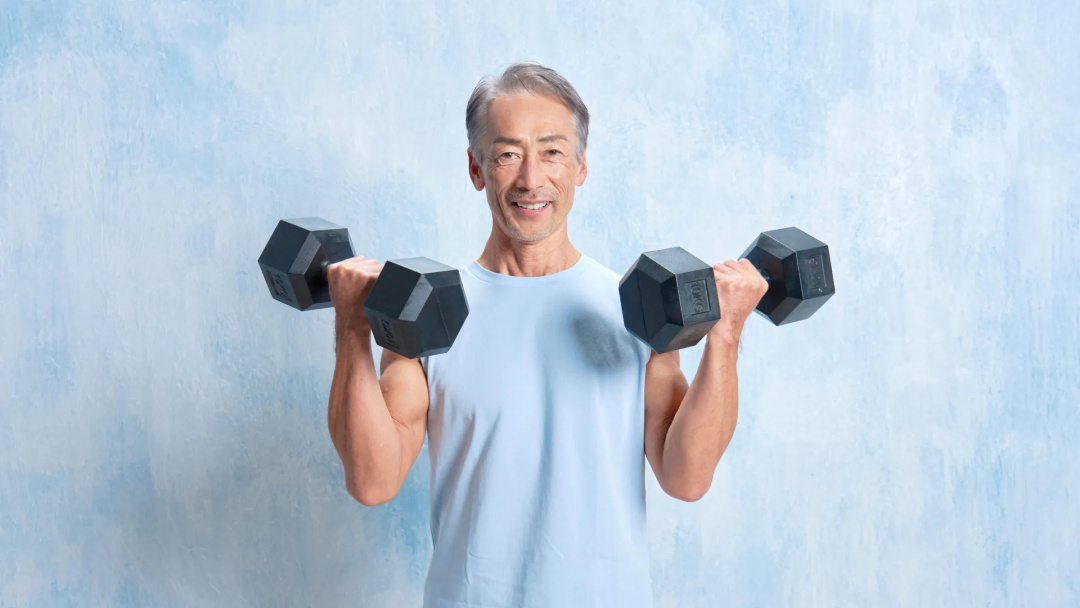
Finally, maintaining balance is critical to prevent falls, a common concern for older adults. Practicing single-leg bicep curls can improve stability while also strengthening the arms. This exercise can be performed for 30 seconds on each side, enhancing both strength and balance.
Improve Your Workout
To maximize the benefits of strength training, consistency is key. Incorporating a variety of exercises targeting different muscle groups will yield the best results. It is advisable to start with lighter weights or bodyweight exercises and gradually increase intensity as strength improves. Consulting with a healthcare provider before starting any new exercise routine is recommended to ensure safety and appropriateness based on individual health conditions.
In conclusion, strength training offers numerous benefits for women over 50, from enhancing daily functional movements to improving mental health and bone density. By integrating these exercises into a regular fitness routine, older women can maintain their independence and overall well-being, making strength training an invaluable aspect of their health regimen.