Nutritional Insights: Beef vs. Red Kidney Beans
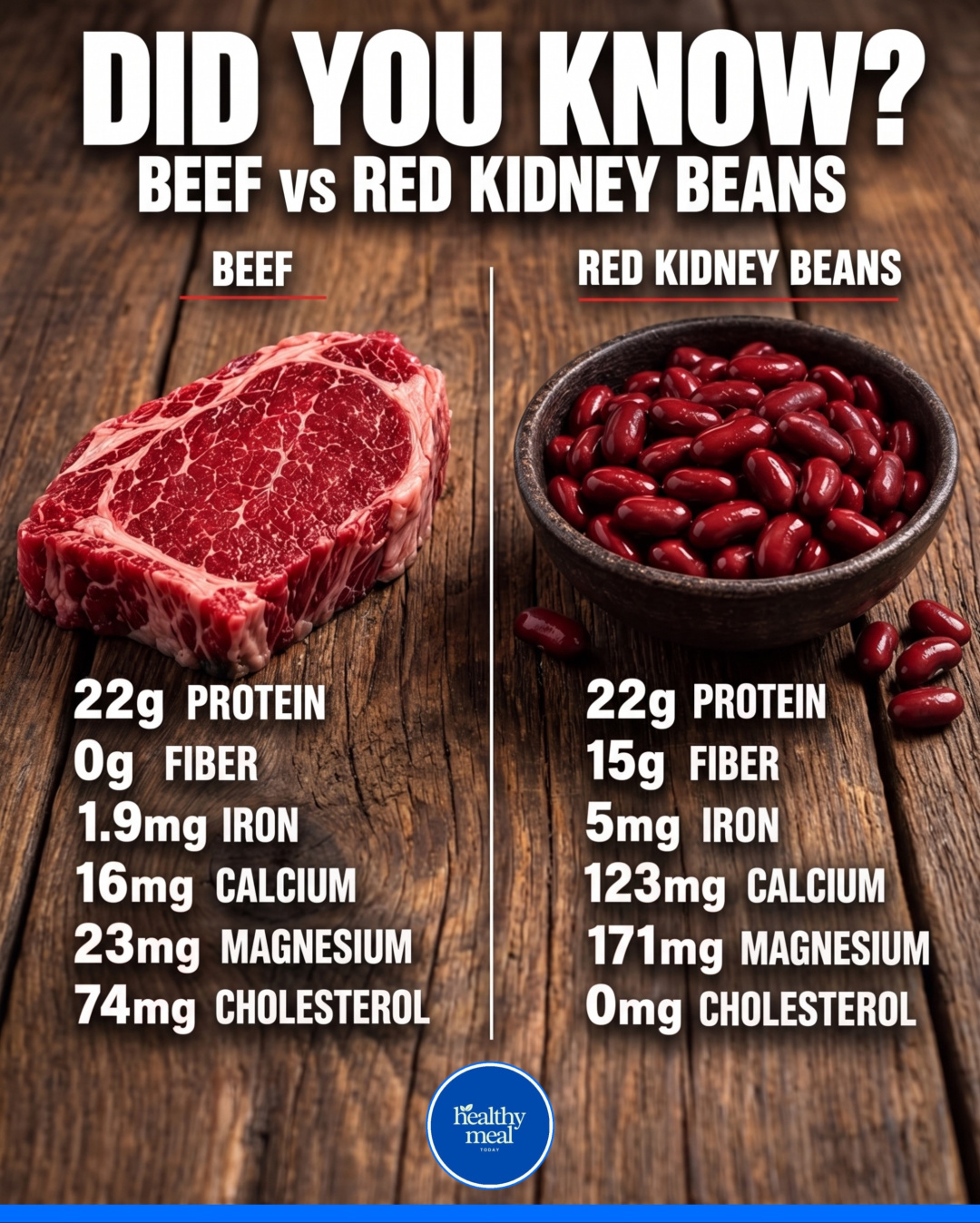
The nutritional landscape of foods can significantly impact dietary choices, and a recent visual comparison sheds light on the differences between beef and red kidney beans. Both foods provide 22 grams of protein per serving, making them excellent sources of this essential macronutrient. However, they diverge significantly in other nutritional aspects, which can influence their roles in a balanced diet.
Beef, depicted in the image with its marbled texture, is rich in bioavailable iron and vitamin B12, essential for oxygen transport and red blood cell health. It contains 1.9 mg of iron, 16 mg of calcium, 23 mg of magnesium, and 74 mg of cholesterol. These nutrients support various bodily functions, including brain health and energy metabolism. However, the absence of fiber in beef means it does not contribute to digestive health in the same way that plant-based foods do.
For the Training Room
Sponsor press complete.
Contrasting Nutritional Benefits of Beans
On the other hand, red kidney beans present a compelling case for those seeking fiber and additional micronutrients. With 15 grams of fiber per serving, they promote gut health and provide prebiotic benefits, supporting a healthy microbiome. The beans also offer 5 mg of iron, significantly higher calcium at 123 mg, and magnesium at 171 mg, while containing no cholesterol. This makes them a heart-healthy option that can help maintain satiety and stabilize energy levels throughout the day.
Understanding Nutritional Roles
The comparison illustrates that while both beef and red kidney beans can fulfill protein needs, they serve different nutritional purposes. Beef is ideal for those looking to increase their intake of certain minerals and vitamins, particularly in diets that require higher protein levels. In contrast, red kidney beans are a fantastic choice for individuals aiming to enhance their fiber intake and overall micronutrient diversity.
Ultimately, tailoring protein sources to personal wellness goals is crucial. Incorporating a variety of foods, such as beef and kidney beans, can help create a well-rounded dietary pattern that supports both health and performance. By understanding the unique contributions of each food, individuals can make informed choices that align with their nutritional objectives.