Understanding Exercise-Induced Bowel Movements in High-Intensity Workouts

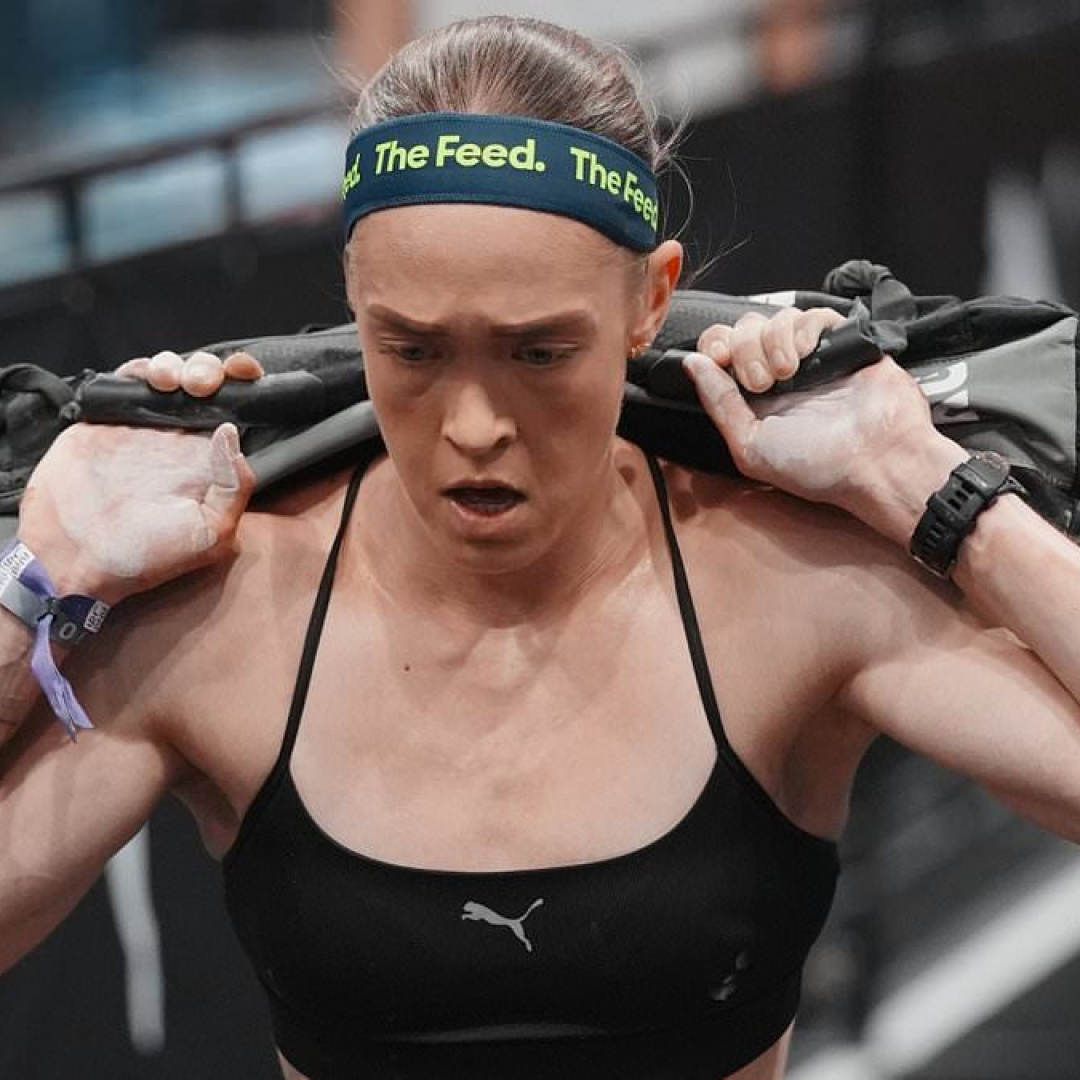
During a recent Hyrox indoor fitness competition in Beijing, Australian athlete Joanna Wietrzyk experienced a rather infamous incident when she pooped on herself mid-competition. Despite the unfortunate occurrence, she continued to compete and ultimately won the event. However, she later forfeited her win and issued an apology for her decision to carry on, prompting widespread discussion on social media about the normalcy of such incidents during intense physical exertion.
While it is not considered "normal" to defecate during a workout, experts indicate that it is not uncommon for athletes to feel the urge to go during or after strenuous exercise. Dr. Supriya Rao, a gastroenterologist at Integrated Gastroenterology Consultants in Massachusetts, explains that during intense physical activity, blood is redirected from the gut to the muscles, which can lead to gastrointestinal distress. This physiological response is particularly prevalent among endurance athletes, such as marathon runners and Hyrox competitors.
For the Training Room
Sponsor press complete.
Dr. Rao notes that the stress of competition can also exacerbate gastrointestinal issues, potentially leading to symptoms like urgency and cramping. The body's state during high-intensity workouts shifts towards a "fight or flight" response, further complicating digestive functions. This is why many endurance events, including marathons, are equipped with portable toilets, as the need for bathroom breaks is a common concern among participants.
The phenomenon of exercise-induced gastrointestinal distress, often referred to as "runner's diarrhea," is well-documented. While it can occur during moderate exercise, it is more frequently observed in endurance activities. Vomiting, on the other hand, is less common and often linked to factors such as dehydration or dietary choices made before the event, according to Dr. Rao.
Despite the unfortunate incident at the Hyrox competition, regular exercise is beneficial for bowel health. Dr. Rao emphasizes that physical activity can help alleviate constipation and promote overall digestive health. She often advises patients experiencing constipation to engage in light exercise, such as walking, to stimulate bowel movements.
Navigating Bathroom Needs During Competitions
For athletes, it’s crucial to be aware of their bodies and the potential need for bathroom access during competitions. Familiarizing oneself with the location of restrooms can alleviate some anxiety surrounding the issue. Additionally, maintaining a consistent routine regarding diet and hydration is important, especially leading up to competitions, to minimize gastrointestinal disturbances.
Athletes should avoid trying new foods or habits immediately before an event, as these can disrupt their usual digestive processes. Dr. Rao suggests that understanding one's body and recognizing when to take a break for bodily functions is key to managing performance and comfort during high-intensity workouts.
Improve your workout
In light of Wietrzyk's experience, it is essential for athletes to approach competitions with realistic expectations regarding their bodily responses. While the urge to relieve oneself may not be ideal, it is a natural response to the physical demands placed on the body. Athletes should prioritize their health and comfort, ensuring they are prepared for the physical challenges ahead. Knowing when to pause for personal needs can ultimately enhance performance and well-being during competitions.
In conclusion, understanding the physiological responses to intense workouts can help athletes navigate the complexities of competition. By being aware of their bodies and preparing adequately, athletes can minimize discomfort and focus on performing at their best. Regular training, proper hydration, and a consistent dietary routine are essential components for success in high-intensity fitness events.