Essential Nutrients for Women Who Lift Weights: Beyond Protein

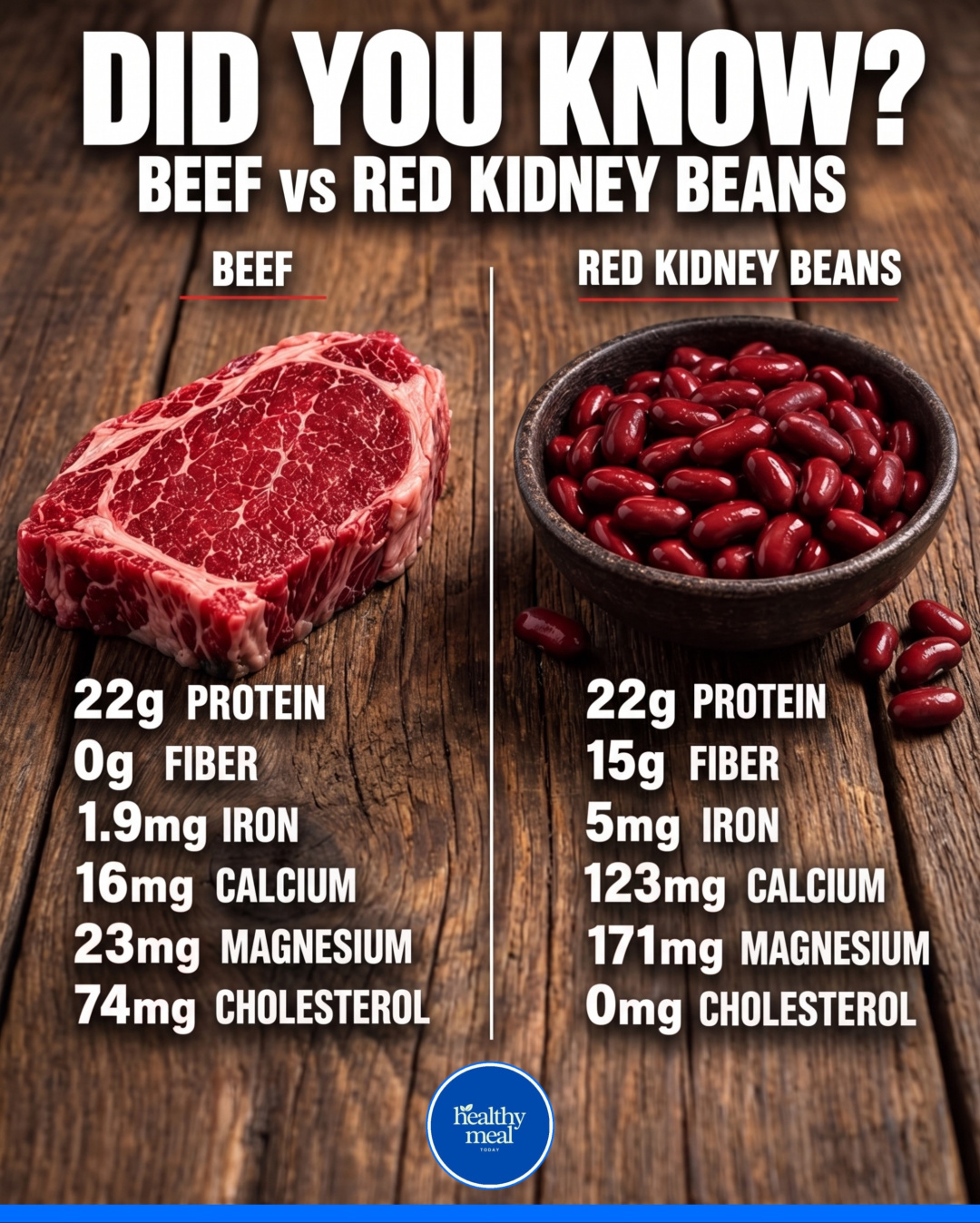
Women who lift weights typically focus on protein as a key component of their nutrition, but it’s essential to understand that adequate micronutrients are equally important for optimal strength and recovery. Nutrients like iron, folate, calcium, vitamin D, magnesium, B vitamins, zinc, and vitamin C support various physiological processes linked to oxygen transport, bone health, muscle function, and recovery after workouts.
While protein is undeniably vital for muscle repair and growth, it cannot function in isolation. Strong training regimens rely on healthy bones, effective oxygen delivery, energy production, and tissue repair. Priya Aggarwal, Head of Dietetics at Yatharth Super Speciality Hospital, emphasizes that while protein is crucial, it is not the sole player in muscle performance.
For the Training Room
Sponsor press complete.
Iron and folate are particularly significant for women, especially those who menstruate. Iron is essential for the production of hemoglobin, which transports oxygen from the lungs to the muscles. Additionally, iron supports myoglobin, a protein that helps muscles utilize oxygen effectively. Folate, or vitamin B9, is critical for DNA formation and cell division; a deficiency can lead to megaloblastic anemia, which may cause persistent fatigue after workouts.
Calcium and vitamin D are also vital for women who lift weights. Calcium is a primary component of bone structure and aids in muscle contraction and nerve signal transmission. Vitamin D enhances calcium absorption in the intestine and supports normal bone mineralization. This is especially important for women, as they may experience accelerated bone loss during menopause due to decreasing estrogen levels, which can increase bone breakdown.
The Importance of Magnesium and B Vitamins
Magnesium, often overlooked in favor of protein, is involved in over 300 enzyme systems. It contributes to energy production, protein synthesis, nerve function, and muscle contraction, while also playing a role in maintaining bone structure. Good dietary sources of magnesium include nuts, seeds, legumes, whole grains, and leafy greens. Instead of relying on a plethora of supplements, the focus should be on maintaining a nutrient-dense and balanced diet that includes a variety of foods.
B vitamins, zinc, and vitamin C also play supporting roles in nutrition for strength training. B vitamins are essential for energy-related processes, with vitamin B12 being crucial for healthy red blood cell formation and DNA synthesis. However, B12 supplementation does not enhance athletic performance in individuals with adequate levels. Zinc aids in protein and DNA synthesis, immune function, and wound healing, while vitamin C is vital for collagen formation and various cellular processes.
Make it work for you
Aggarwal advises that the key to effective nutrition for weightlifting is not merely to replace protein with a multitude of supplements but to adopt a balanced diet rich in protein, carbohydrates, healthy fats, vitamins, minerals, and hydration. A training-friendly plate should include protein along with whole grains, vegetables, fruits, dairy or alternatives, nuts, seeds, and legumes. Iron-rich foods are especially important for women with heavy menstrual cycles, and those following plant-based diets should pay close attention to their iron and vitamin B12 intake.
In conclusion, while building muscle with protein is essential, supporting performance, recovery, and long-term health requires a comprehensive approach to nutrition that encompasses all necessary nutrients. A well-rounded diet is the foundation for optimal strength training and athletic performance.