Hyrox Under Fire: Athlete Hygiene Controversies and Safety Concerns
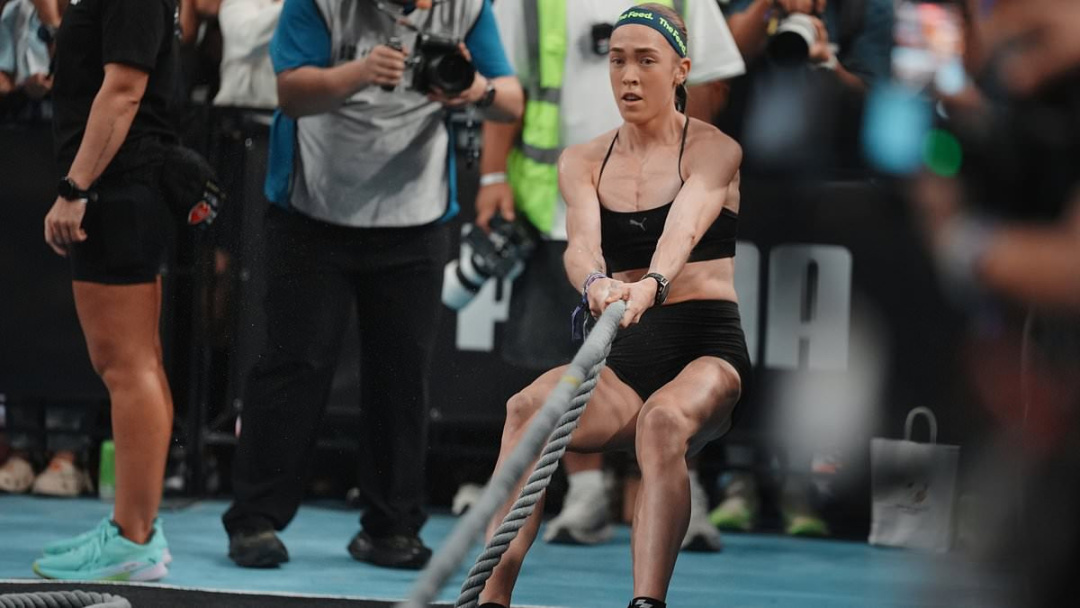
The Hyrox fitness competition is currently under intense scrutiny following a controversial incident involving Australian athlete Joanna Wietrzyk. During a recent race in Beijing, Wietrzyk accidentally soiled herself but continued to compete, ultimately winning the event. This incident has thrust the sport into the global spotlight and raised significant concerns regarding hygiene and athlete welfare in a competition known for its demanding physical challenges.
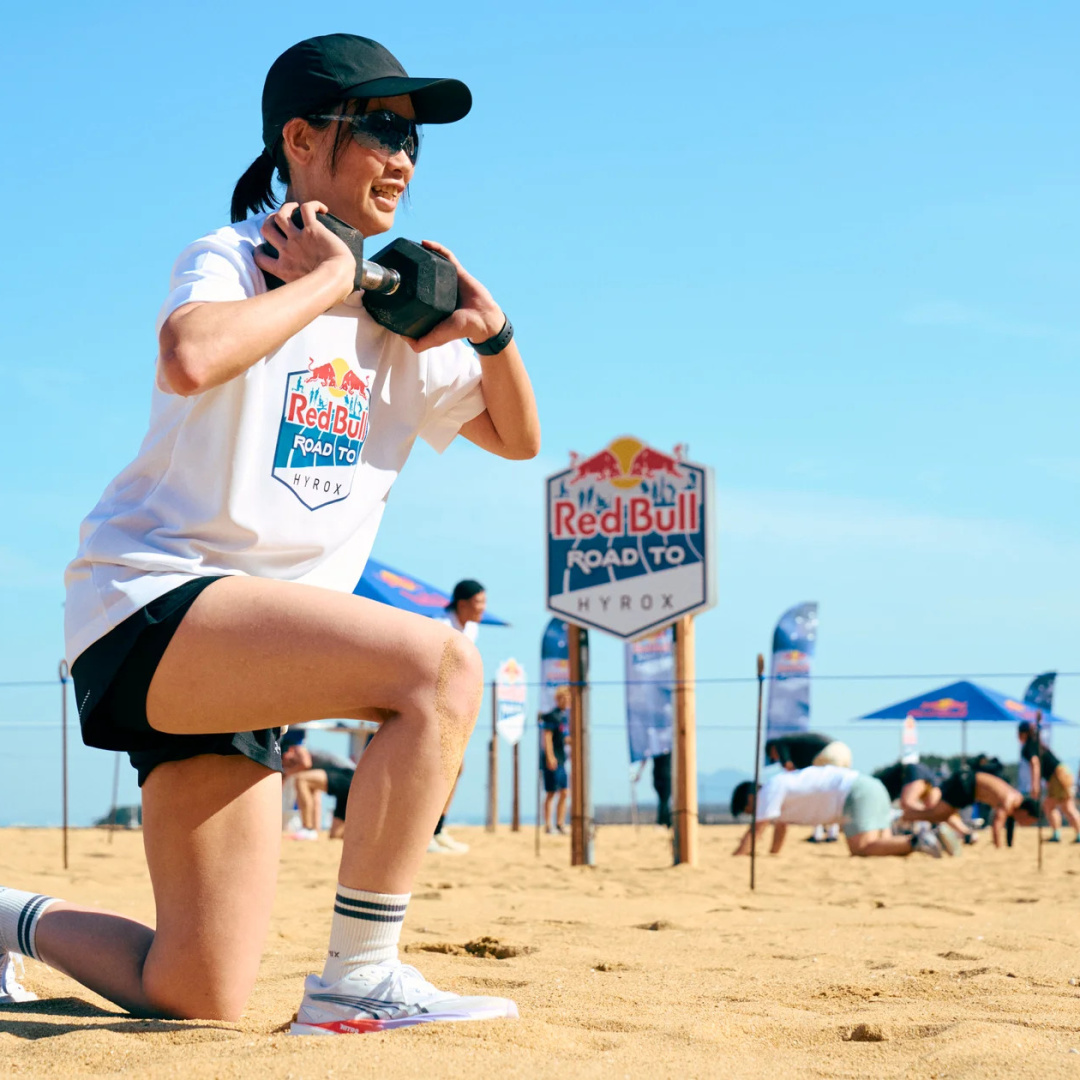
Founded in Germany in 2017, Hyrox uniquely combines endurance running with various functional fitness tasks, including sled pushes and burpees. Competitors race through eight 1km runs, each interspersed with a challenging workout station, striving to complete the course in the fastest time possible. As the sport has grown, it has attracted hundreds of thousands of participants and spectators, with its estimated value now reaching $700 million.
For the Training Room
Sponsor press complete.
Wietrzyk's incident, captured on video, showed her using shared exercise equipment while visibly soiled, igniting a fierce debate about hygiene practices and athlete safety. Critics have pointed out that allowing her to continue competing posed a health risk to other participants who were required to use the same equipment afterward. This situation is not an isolated one; it highlights a broader issue within the sport regarding the treatment of athletes and the management of events.
The competitive nature of Hyrox has led some to label it as 'toxic,' with accusations of an environment that prioritizes individual achievement over athlete welfare. Last year, approximately 650,000 individuals participated in Hyrox events globally, and the sport has developed a reputation for fostering a cult-like following akin to other fitness trends such as CrossFit. As participation grows, so do the costs associated with competing, with entry fees for major events reaching around £125, not including travel and accommodation expenses.
The backlash against Hyrox intensified following the Beijing incident, leading to calls for improved hygiene standards and better management of athlete welfare. The brand's co-founder, Moritz Fürste, acknowledged the oversight in allowing Wietrzyk to continue competing and promised to implement changes to prevent similar occurrences in the future. While incidents of incontinence can happen in endurance sports, the implications of such events in indoor settings raise serious public health concerns.
As Hyrox continues to expand, it faces the challenge of balancing its rapid growth with the need to maintain athlete safety and well-being. The sport's reliance on volunteers to officiate events has also come under fire, especially in light of recent controversies surrounding inconsistent rule enforcement. With two tragic fatalities reported at recent events, the pressure is mounting for Hyrox to address these issues effectively.
The Culture and Future of Hyrox
The culture surrounding Hyrox is complex, with many participants dedicating significant time and resources to the sport. Competitors often train at affiliated gyms and travel internationally for races, with some individuals spending thousands of pounds annually on competition-related expenses. Despite the financial commitment, the allure of earning recognition through patches and titles keeps many athletes engaged.
As the sport prepares for future events, including a cruise-themed competition, the focus will likely remain on how to enhance athlete experience while ensuring safety and hygiene standards are upheld. The recent controversies serve as a crucial reminder of the responsibilities that come with managing a rapidly growing athletic community. Moving forward, Hyrox must navigate these challenges to maintain its reputation and ensure a safe environment for all competitors.
Improve your workout
In light of the ongoing discussions about athlete welfare and competition management, it is essential for both competitors and organizers to prioritize health and safety. As Hyrox continues to evolve, the lessons learned from recent incidents will be vital in shaping the future of the sport. Athletes are encouraged to advocate for their well-being and that of their peers, ensuring that the competitive spirit of Hyrox does not come at the expense of safety and hygiene. The community's response to these challenges will ultimately determine the direction of Hyrox as it strives to balance competitiveness with a commitment to athlete care.