HYROX Revolutionizes Competitive Fitness and Training Culture

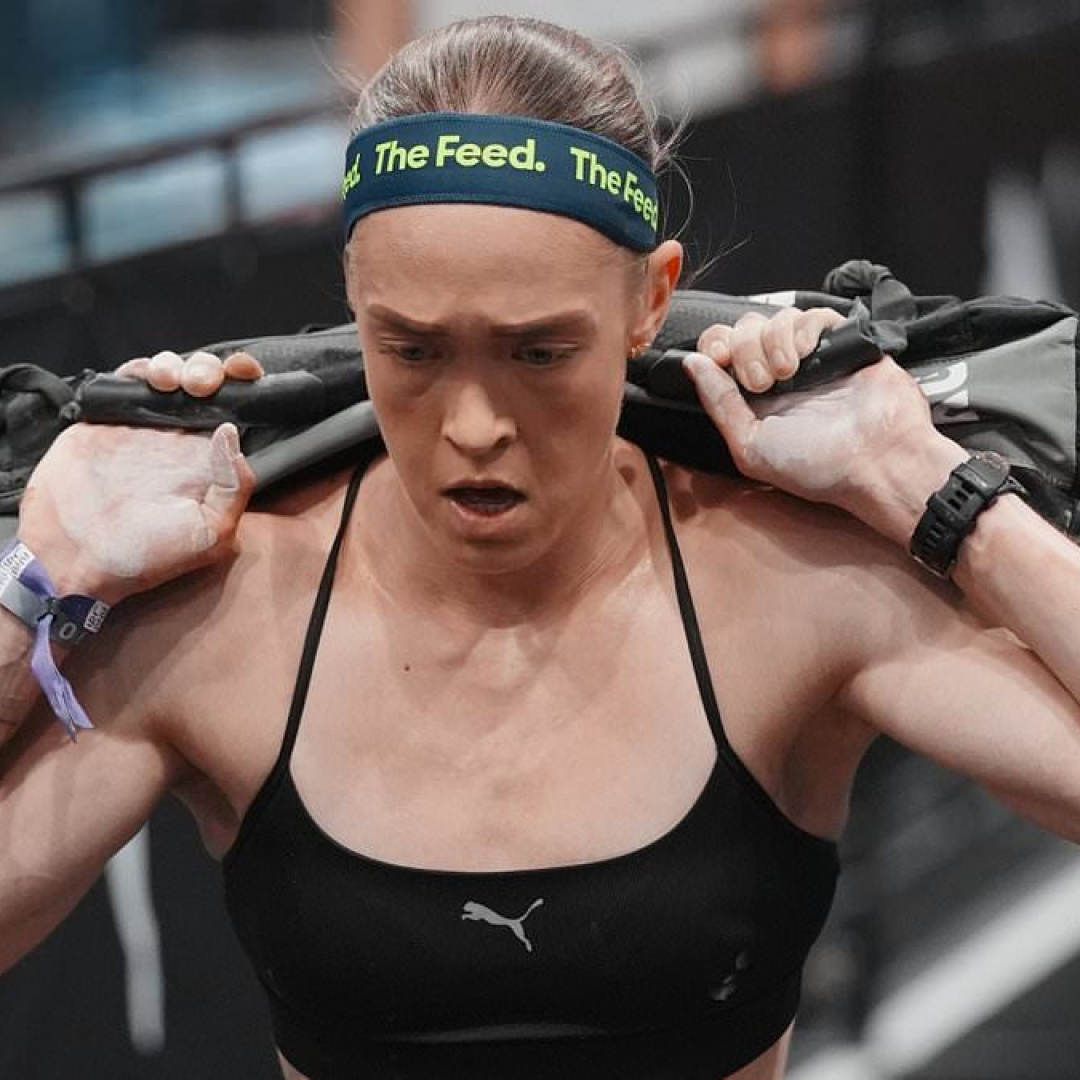
In recent years, competitive fitness has surged from an interesting trend to a full-fledged category, with HYROX leading the charge. This evolution stems from a collective desire for workouts that offer structure, community, and measurable progress, moving beyond the isolation of traditional gym sessions. As people seek a finish line and a sense of purpose in their training, HYROX has emerged as a prominent option, with its unique blend of running and functional workout stations.
Founded in Germany in 2017, HYROX has quickly gained traction, boasting around 175,000 competitors in the 2023 to 2024 season and skyrocketing to over 650,000 participants in the following season. This remarkable growth highlights a significant cultural shift in fitness, where individuals are no longer just casual gym-goers but are training with the intensity and focus of athletes. The standardized format of HYROX events allows participants to compare their times globally, adding a competitive edge that resonates with many.
For the Training Room
Sponsor press complete.
The appeal of HYROX extends beyond mere participation numbers; it reflects a fundamental change in how people approach fitness. As gyms adapt their class schedules to accommodate this trend, the focus shifts from simply completing workouts to preparing for specific events. This transformation alters the psychology of training, prompting individuals to ask, "What do I need to improve before race day?" This goal-oriented mindset fosters consistency and dedication, encouraging more people to engage in structured training regimens.
The data supports this shift, with ClassPass reporting a staggering 506% increase in searches for HYROX classes and a 432% rise in reservations year over year. This surge indicates a significant change in weekly fitness behavior, as individuals increasingly prioritize training for specific competitive events. The traditional fitness goals of aesthetics and vague aspirations are being replaced by concrete objectives, such as improving race times and achieving personal bests.
The Rise of the Everyday Athlete
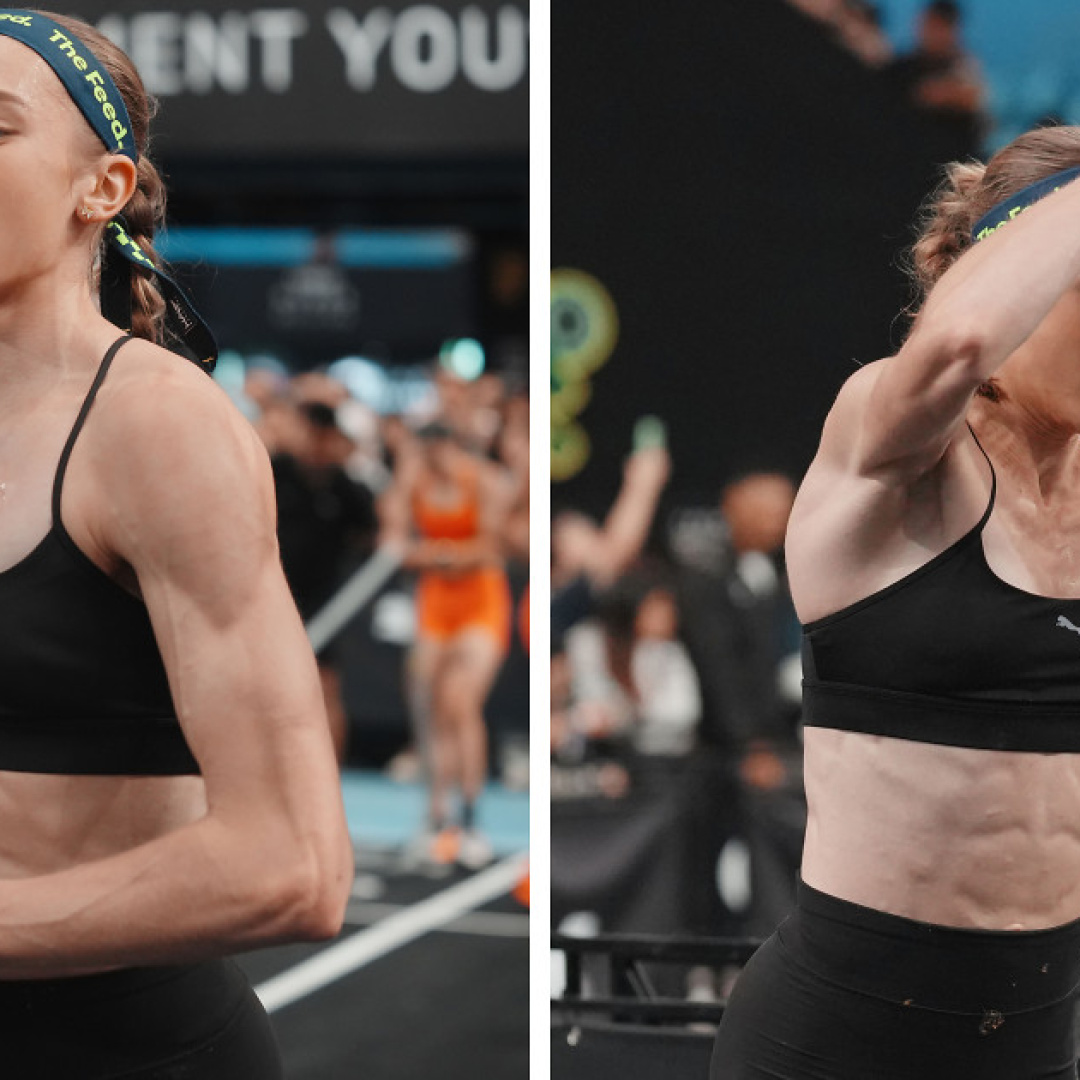
As competitive fitness continues to grow, the concept of the everyday athlete is emerging. Individuals who once engaged in casual workouts are now adopting a more serious training approach, blending strength, endurance, and strategy. This evolution allows participants to explore their physical capabilities in a supportive environment, where people of all skill levels can compete together. Unlike traditional endurance sports, competitive fitness encourages a multifaceted approach, allowing individuals to train across various disciplines without being confined to a single category.
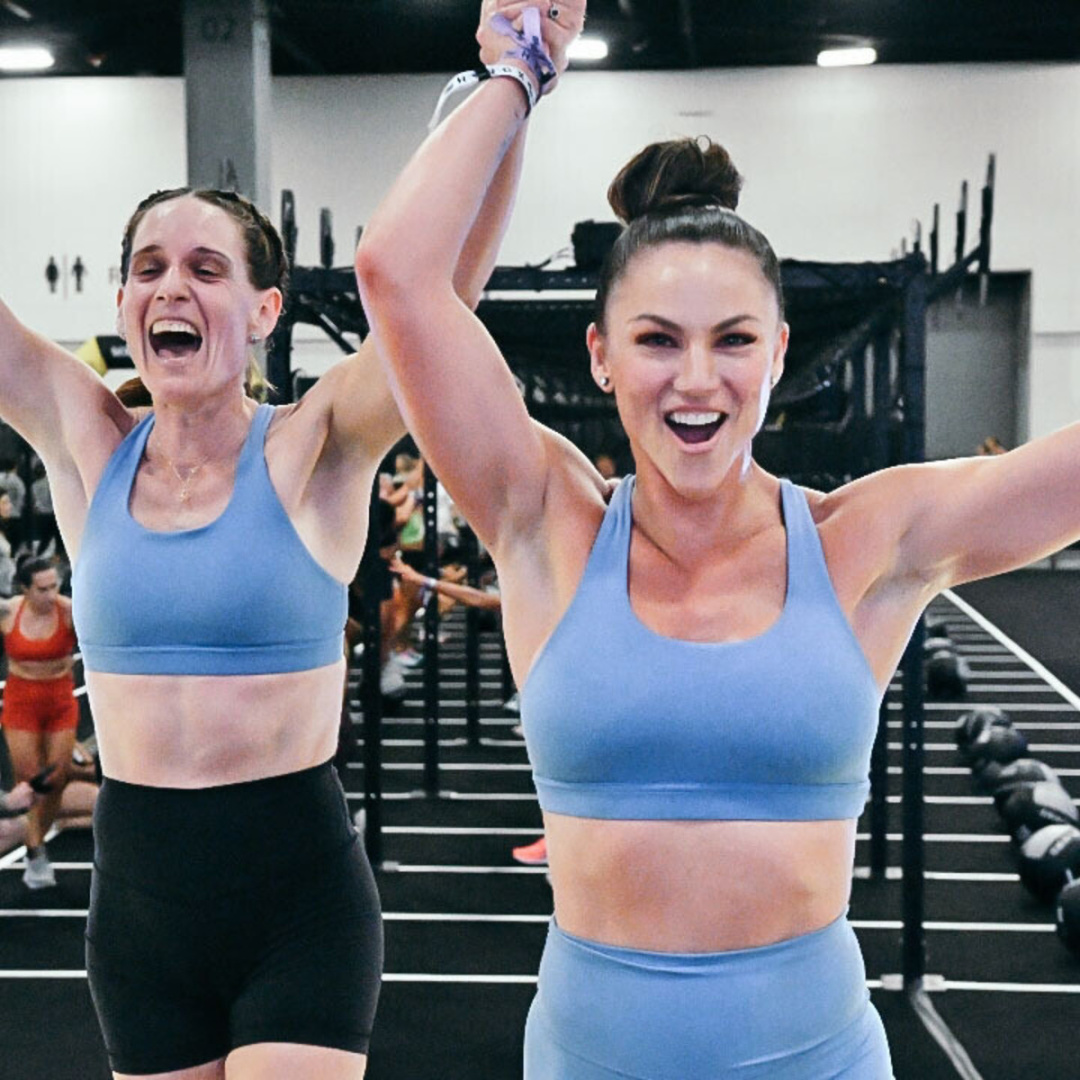
HYROX's success is indicative of a larger trend in fitness culture, where strength training, running, and community engagement converge. Participants are increasingly seeking programs that offer a holistic approach to fitness, emphasizing the importance of both physical performance and social interaction. As the competitive fitness landscape expands, it is essential to maintain accessibility, ensuring that newcomers and seasoned athletes alike can find their place within this growing community.
Improve your workout
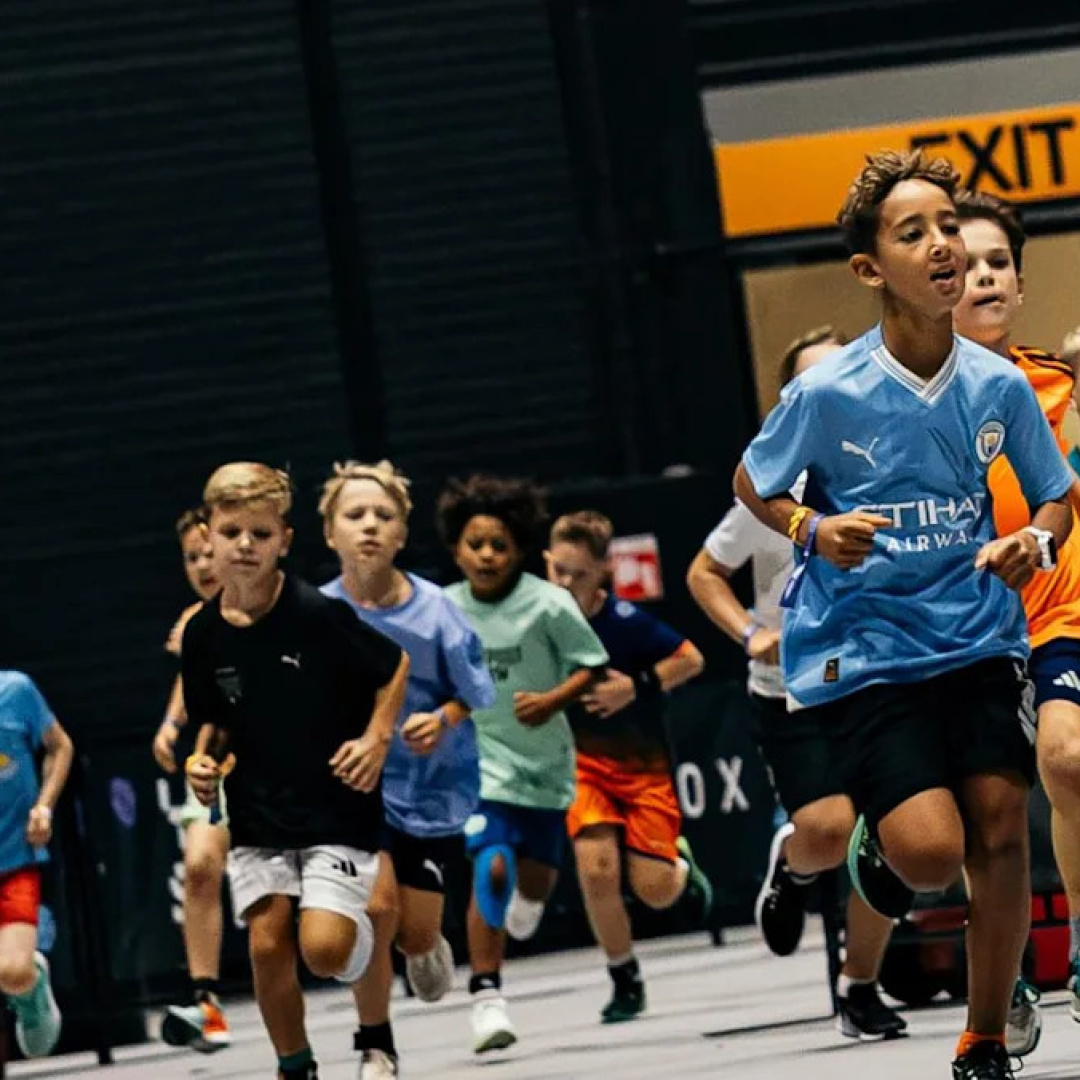
The challenge lies in preserving the inclusive nature of competitive fitness as it gains popularity. With events selling out rapidly and attracting elite athletes, there is a risk of alienating the very participants who helped build this movement. However, if the community can sustain its welcoming atmosphere, the future of competitive fitness looks promising, with the potential for more dedicated training facilities, diverse race formats, and increased participation.
As HYROX and similar events continue to evolve, they offer a blueprint for the future of fitness. The focus has shifted from merely completing workouts to discovering what individuals can achieve when strength, endurance, and community converge at the starting line. Competitive fitness is not just a trend; it is a movement that empowers individuals to push their limits and embrace their identities as athletes.