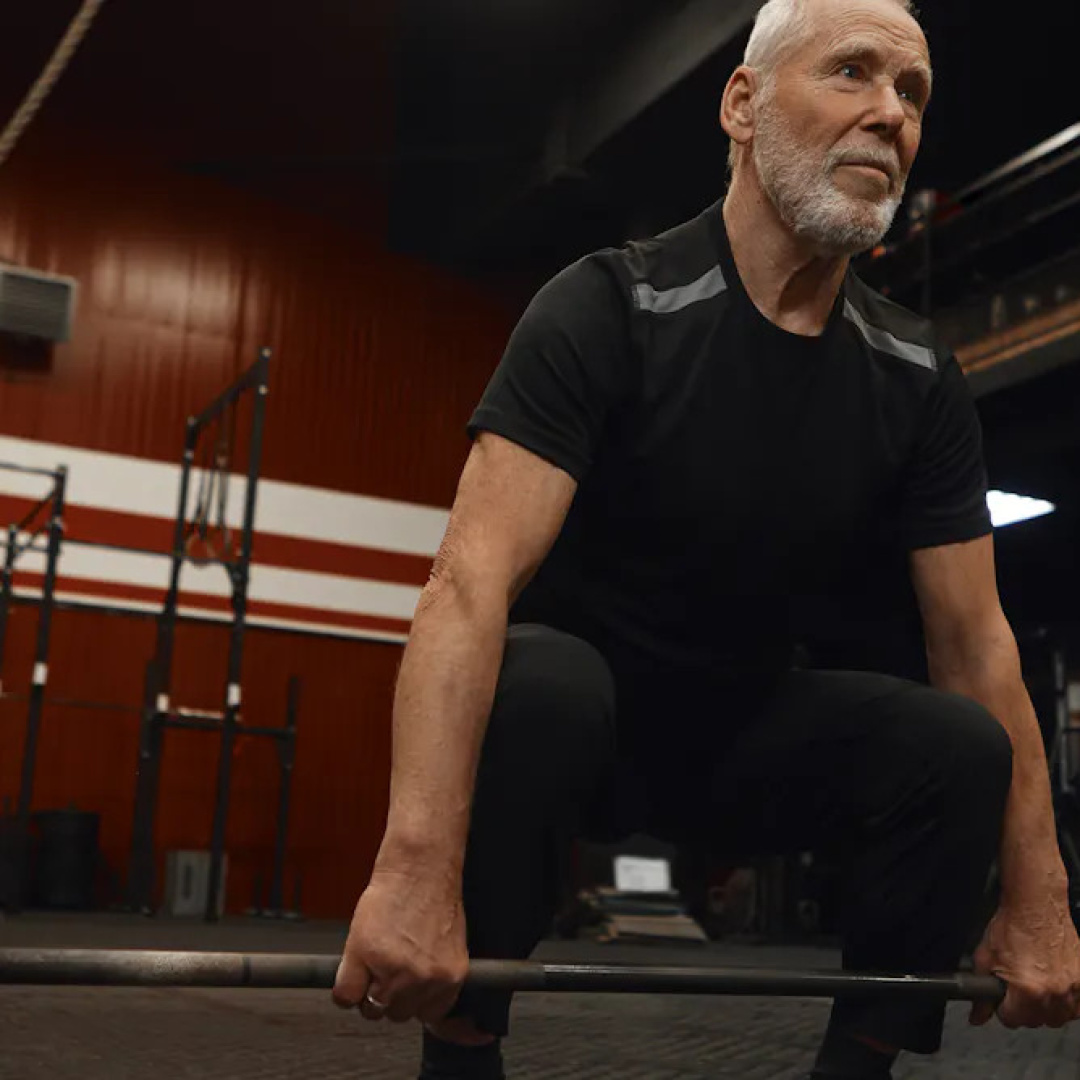
Resistance Training Linked to Slower Brain Aging in Older Adults

A recent study published in GeroScience has revealed that older adults who participate in resistance training can experience a significant slowing of brain aging, estimated at 1.4 to 2.3 years compared to a non-exercise control group. This study analyzed a total of 309 participants over the course of one year, utilizing MRI-derived brain aging clock models to assess biological brain age and measure changes throughout the intervention.
Participants were divided into three groups: those engaging in heavy resistance training, those in moderate-intensity training, and a control group that did not exercise. The findings indicated that both moderate and heavy resistance training groups exhibited notable reductions in brain age when compared to the control group. Furthermore, the heavy resistance training group demonstrated enhanced prefrontal functional connectivity, which researchers associated with improved communication between brain regions that are crucial for decision-making and executive function.
For the Training Room
Sponsor press complete.
The study's authors noted that beginners often experience the most significant benefits from strength training, as early gains are largely due to the muscles and brain learning to coordinate effectively. Importantly, the researchers emphasized that there is no age cutoff for strength adaptation, countering the common fear of missing a critical window for training benefits.
Resistance training may also promote increased blood flow to the brain, delivering essential oxygen and nutrients that help maintain neuron health. The study suggests that strength training could trigger the release of brain-derived neurotrophic factor (BDNF), a protein that supports neuron growth and resilience. Additionally, resistance training has been linked to reductions in chronic inflammation associated with cognitive decline, with systemic effects observed across the brain rather than being confined to specific regions.
Incorporating Strength Training for Brain Health
The study advocates for incorporating resistance training into regular routines, especially for those prioritizing cognitive health. Researchers recommend engaging in 2-3 strength training sessions per week, focusing on progressive overload and compound movements. Notably, individuals do not need to lift heavy weights to reap potential brain health benefits; both moderate and heavy resistance training showed significant effects on brain aging.
Make it work for you
Moreover, strengthening exercises, when performed correctly and through a full range of motion, can enhance flexibility and balance, thereby decreasing the risk and severity of falls. A study conducted in New Zealand found that simple strength and balance training led to a 40% reduction in falls among women aged 80 and older.
While the study primarily focused on older adults, the authors acknowledge the need for further research to explore the effects of resistance training across various ages and fitness levels. They concluded that resistance training deserves a place in fitness regimens, particularly for those concerned about cognitive health, though they did not make broad clinical recommendations, calling instead for additional investigation into this promising area of research.