Strength Training for Seniors: Combatting Muscle Loss and Cancer Risk
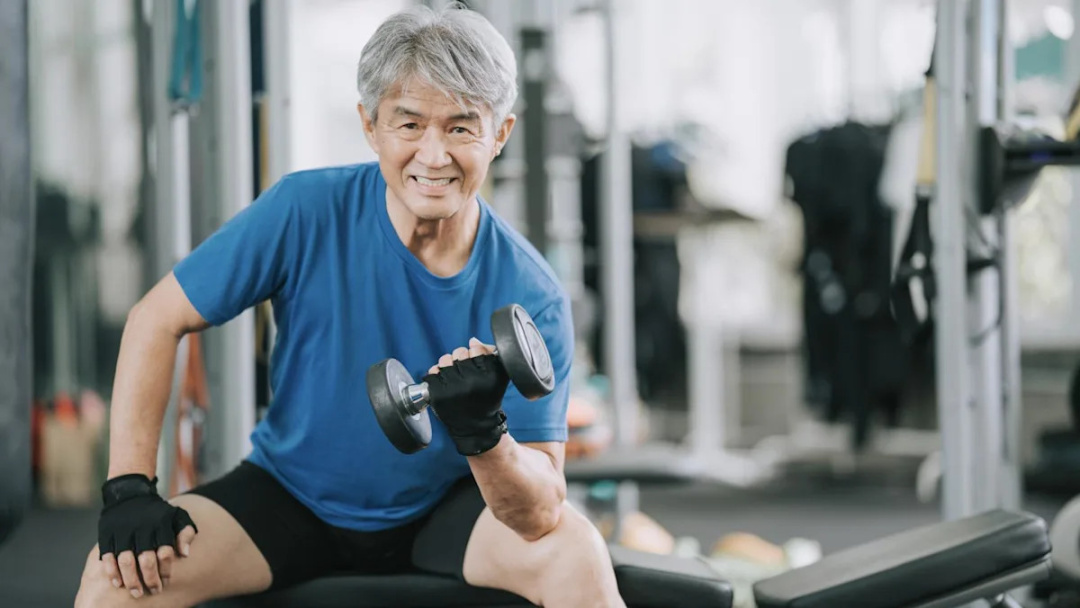
As our loved ones age, we often witness a decline in their mobility and strength. This natural deterioration, known as sarcopenia, impacts not only their physical capabilities but also their overall health. A recent study from Duke-NUS has revealed that the loss of muscle mass in seniors may also diminish the body's ability to suppress cancer, making strength training an essential practice for older adults.
Dr. Chen Shuyu, a consultant at Tan Tock Seng Hospital, notes that many seniors exhibit signs of sarcopenia, which can manifest as slower movement and increased fatigue during daily activities. Alarmingly, 60 to 80 percent of patients at TTSH’s Falls and Balance Clinic are at risk for this condition. The age at which falls occur is also concerning, with some patients as young as 65 being admitted after a fall.
For the Training Room
Sponsor press complete.
Research indicates that muscle mass typically decreases by 1 to 2 percent per year after the age of 50. This decline can lead to significant health issues, including an increased risk of falls, which can be devastating for seniors. The Duke-NUS study found that skeletal muscles secrete extracellular vesicles (EVs) that play a role in tumor suppression. However, sarcopenic muscles produce fewer EVs and lower levels of the micro-RNA molecule miR-7a-5p, which is crucial for inhibiting tumor growth.
The findings underscore the importance of regular strength training to counteract these effects. Dr. Kenon Chua, a consultant with Singapore General Hospital, emphasizes that engaging in resistance and aerobic exercises is vital for maintaining muscle volume and overall health in older adults. Strength training not only helps in preserving muscle mass but also enhances balance and reduces the risk of falls, ultimately supporting seniors' independence.
Despite the benefits, many seniors may resist starting a strength training program. Dr. Chen encourages families to recognize the signs of declining strength and to advocate for exercise, noting that it is never too late to begin. With the right program, older adults can improve their strength and confidence, enabling them to participate in daily activities with greater ease.
Debunking Myths About Strength Training
Common misconceptions about strength training may deter seniors from participating. Many believe that activities like brisk walking or tai chi are sufficient for maintaining muscle health. However, these activities may not provide the necessary stimulus for muscle growth and maintenance. Personal trainer Davin Choo advises that while these activities are beneficial for coordination and social interaction, they should be complemented with targeted strength training exercises.
Dr. Chen highlights that even seniors who feel they cannot lift weights can benefit from strength training. Regular resistance training can enhance stamina and confidence, allowing them to engage more actively with their families and communities. It is crucial to tailor strength training programs to the individual, focusing on movements that support everyday activities, such as standing up from a chair or climbing stairs.
Make it work for you
Before starting any exercise program, seniors should consult with their healthcare providers to ensure safety. Working with a qualified trainer can also help mitigate risks associated with falls and injuries. The gradual introduction of strength training, alongside familiar activities, can lead to significant improvements in strength and mobility.
In conclusion, the evidence is clear: strength training is not just beneficial but essential for seniors. It can improve muscle mass, enhance balance, and even play a role in cancer prevention. With the right guidance and support, older adults can reclaim their strength and independence, ensuring a better quality of life as they age.