Synergistic Effects of Whey Protein and Resistance Training on Muscle Health

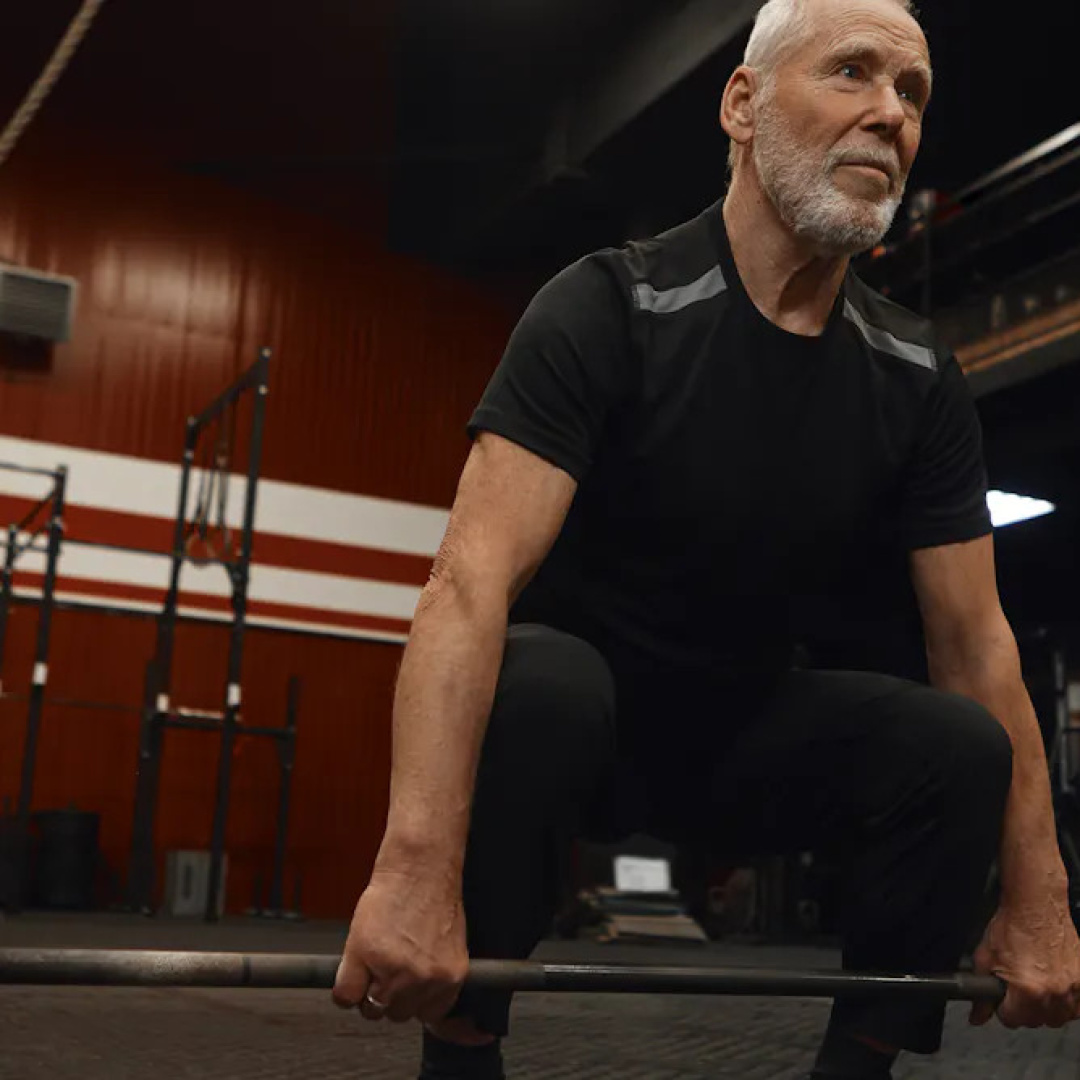
A new narrative review published in Frontiers in Nutrition explores the synergistic effects of whey protein and resistance training on muscle health in older adults. The research indicates that these two interventions work through complementary pathways, and neither is optimal when used alone. Sarcopenia, the age-related loss of muscle mass, affects approximately 10% of adults over 60 and more than 50% of those over 80, making effective muscle maintenance critical for mobility and overall health.
The review specifically analyzes how whey protein, known for its high leucine content, interacts with structured resistance training to enhance muscle health and physical performance. Unlike broader protein reviews, this analysis focuses on whey protein due to its superior ability to trigger muscle protein synthesis compared to other protein sources. The authors also highlight emerging research linking muscle health to brain function, suggesting that maintaining muscle mass may have broader implications for cognitive health as well.
For the Training Room
Sponsor press complete.
Current dietary protein recommendations are deemed insufficient for older adults, who require higher protein intake to counteract declines in muscle protein synthesis. Studies employing amino acid tracer methodology have demonstrated that whey protein consumption leads to a significant increase in plasma amino acids, which are crucial for muscle repair and growth following exercise. Resistance training provides the necessary mechanical stimulus for muscle adaptation, which cannot be replicated by supplements alone.
Enhancing Strength with Combined Approaches
The review emphasizes that combining whey protein with resistance training results in better strength outcomes and improvements in key health markers compared to either intervention in isolation. A meta-analysis of 235 randomized controlled trials supports the notion that integrating various exercise styles and protein sources is an effective strategy for preserving muscle mass in aging populations. Notably, the benefits of protein supplementation are most pronounced in individuals at risk of muscle loss, such as those with sarcopenia or metabolic dysfunction. For healthy older adults meeting their daily protein needs, the additional benefits from whey supplementation may be limited.
Improve your workout
The authors recommend that older adults engage in 2 to 3 resistance training sessions each week to support muscle health. Adequate energy and protein intake are essential for progressive strength and muscle mass gains. Even frail seniors can experience improvements in strength, balance, and agility through tailored strength training programs. Whey protein should be strategically utilized by those not meeting their protein requirements or at higher risk of muscle loss.
The findings underscore the importance of viewing exercise and protein as complementary components of muscle health. Resistance training creates the demand for muscle growth, while whey protein helps fulfill that demand. The review concludes that exercise is a non-negotiable element for muscle building, with protein playing a critical role in the process. Further research is encouraged to explore the broader benefits of muscle health, including its potential impact on cognitive function. Ultimately, prioritizing resistance training and adequate protein intake is a practical, evidence-based approach for older adults aiming to maintain muscle strength and function.