Understanding Women's Unique Strength Training Needs
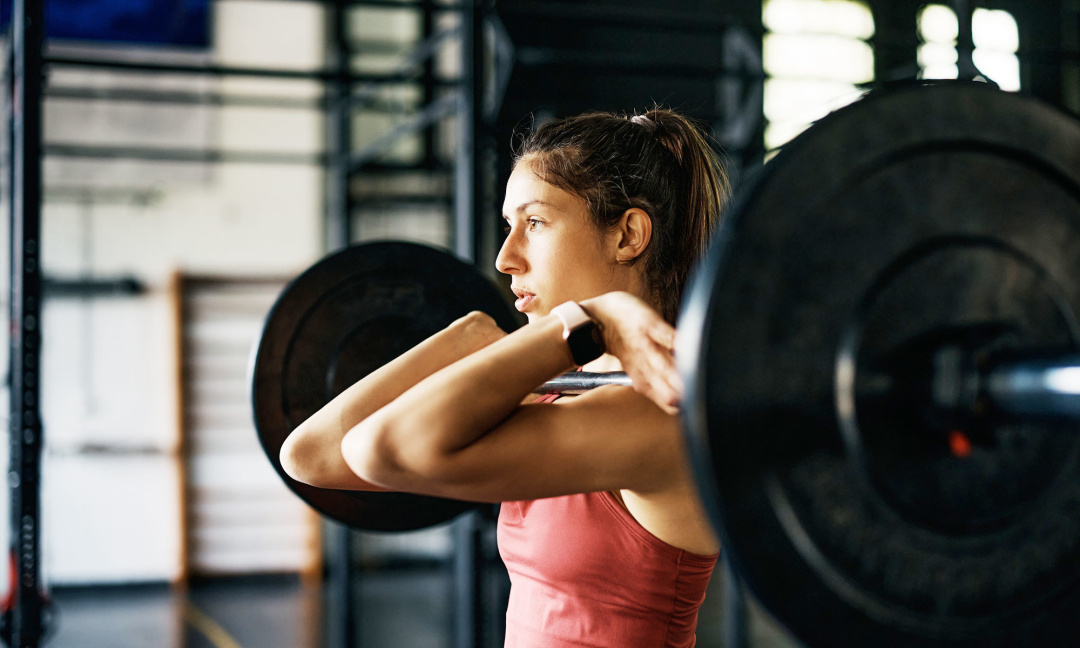
Women’s muscle fibers, joints, and anatomy significantly influence how they approach exercise, particularly in strength training. Experts explain that these physiological differences can affect everything from performing squats to push-ups, and even the risk of injury. This understanding is crucial for developing safer and more effective workout strategies for women.
Women generally have narrower shoulders and wider hips than men, which can impact their physical strength and performance. Additionally, women tend to possess a higher proportion of slow-twitch muscle fibers compared to fast-twitch fibers, according to Dr. Ong Joo Haw, a sports physician. Slow-twitch fibers are essential for endurance activities, while fast-twitch fibers are critical for strength and explosive movements. This preference for endurance exercises often leads women to dominate cardio machines like treadmills, potentially neglecting the development of fast-twitch fibers, which are vital for combating age-related muscle loss known as sarcopenia.
For the Training Room
Sponsor press complete.
In strength training, fast-twitch fibers are best engaged through lower-rep, high-intensity workouts. Dr. Luqman Haris, co-founder of Catalyst Performance, suggests that to effectively challenge these fibers, women should focus on heavy weights with fewer repetitions. He likens this to driving a car; slow-twitch fibers keep the vehicle moving at a steady pace, while fast-twitch fibers require shifting into a higher gear for more intense efforts.
While women may have lower absolute strength levels compared to men, they can often handle higher training volumes with shorter rest periods. This adaptability can be advantageous in the gym, allowing women to maximize their workout efficiency. However, anatomical differences also present unique challenges. For instance, women may experience difficulties with push-ups due to their upper body strength. A trending solution involves adjusting the hand positioning to accommodate the natural carry angle of the arm, which is typically wider in women.
Hormonal changes, especially during middle age and menopause, can further complicate fitness for women. Conditions like frozen shoulder, which can arise from hormonal imbalances and age, are common in women and can severely limit mobility. Dr. Ong emphasizes the importance of mobility exercises to manage such conditions, recommending a range of active and assisted movements to maintain shoulder function.
Navigating Squat Techniques for Women
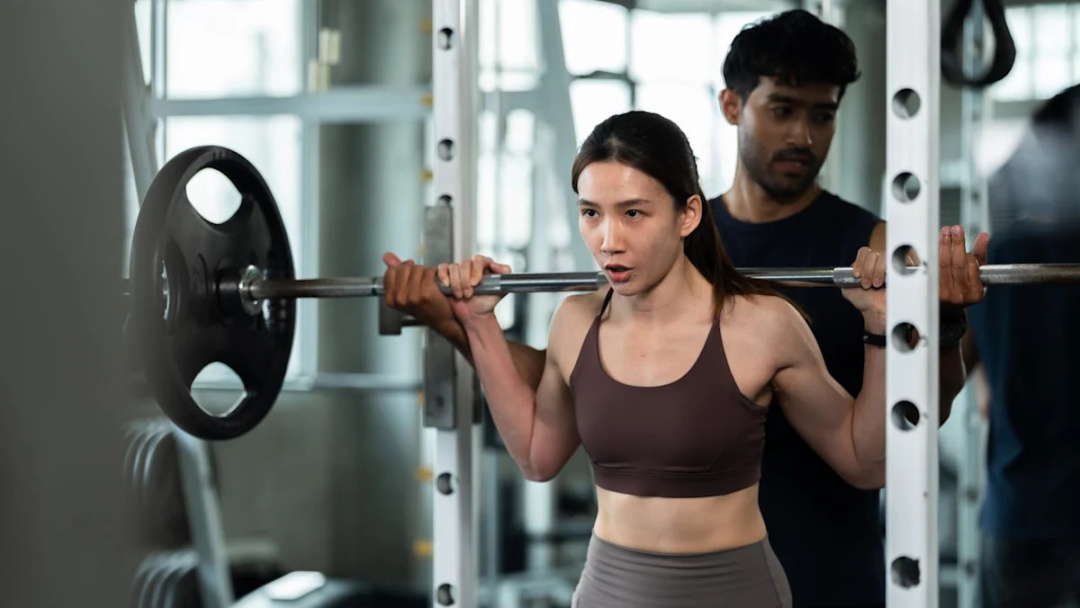
Squats, a staple in many workout routines, also require careful attention to form, particularly for women who may experience knee or back pain. Dr. Luqman notes that knee valgus, where the knees collapse inward during squats, can be exacerbated by anatomical factors such as wider hips. He advises that proper alignment is crucial, suggesting that knees should track in line with the second and third toes to prevent injury. Strengthening the glute medius can also help correct this misalignment.
As women navigate their fitness journeys, understanding these physiological factors and making necessary adjustments can lead to safer and more effective workouts. By focusing on proper techniques and recognizing their unique needs, women can enhance their strength training experiences and achieve their fitness goals more effectively.
To further improve their training, women should consider specific adjustments to common exercises. For example, during squats, maintaining a neutral spine is essential to avoid unnecessary strain on the lower back. Dr. Luqman recommends bracing the core and ensuring that the rib cage remains stacked over the hips throughout the movement. This technique helps maintain proper alignment and reduces the risk of injury.
Get buff
Additionally, when using a barbell, women often mistakenly place it too high on the neck. Dr. Luqman suggests positioning the barbell across the traps and rear shoulders instead, which can alleviate discomfort and improve stability during lifts. By implementing these adjustments, women can enhance their strength training routines and minimize the risk of injury.
In conclusion, understanding the unique physiological differences that women face in strength training is essential for optimizing their workouts. By making informed adjustments and focusing on proper techniques, women can effectively navigate their fitness journeys and achieve their strength goals with confidence.