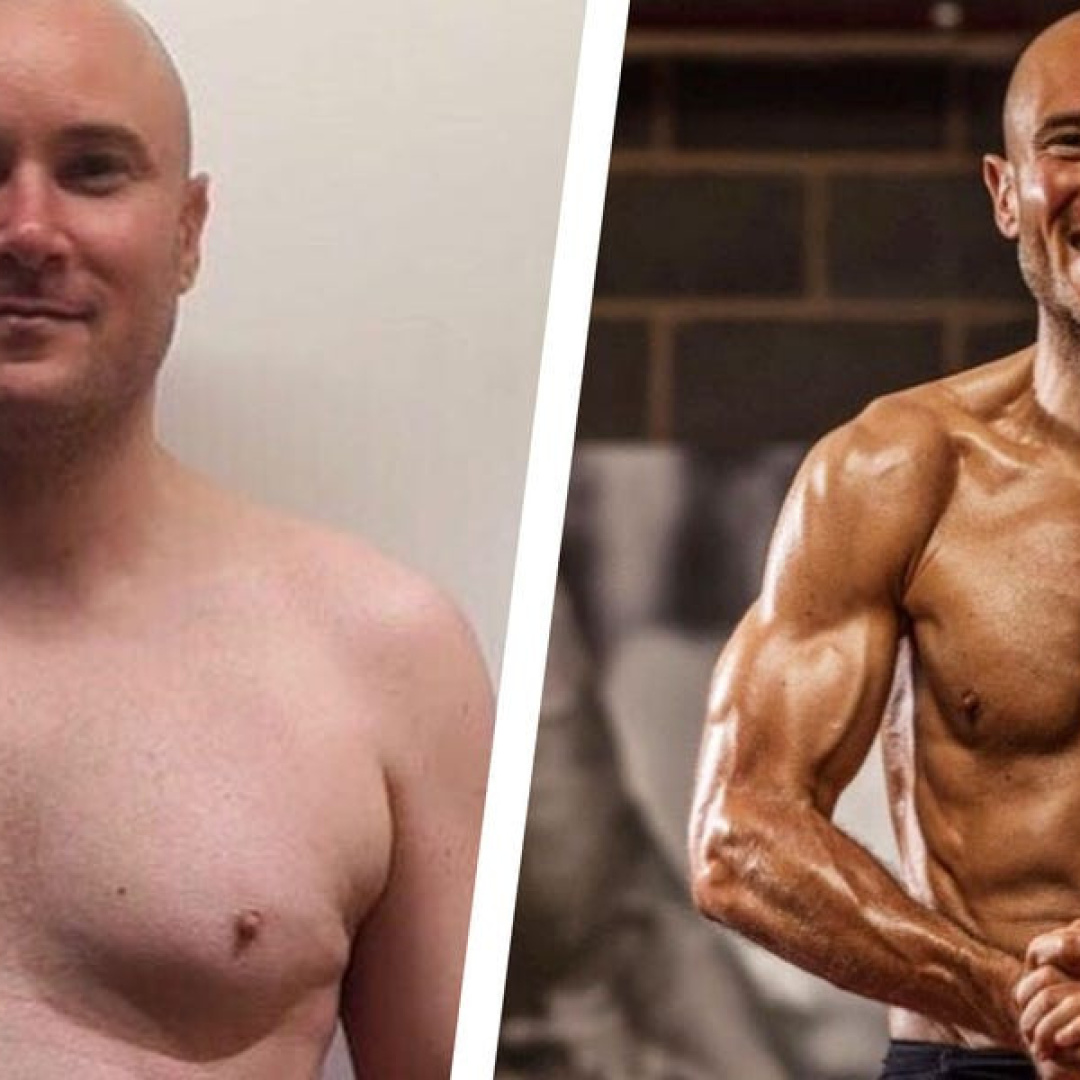
Combining Cardio and Strength Training to Combat Cellular Aging

Recent studies emphasize that the most effective strategy for combating cellular aging may be simpler than previously thought: a consistent exercise regimen that combines both cardio and strength training. This approach has been shown to significantly enhance mitochondrial health, which is crucial for energy production and overall cellular function.
Daria Mochly-Rosen, Ph.D., a Stanford professor, notes that exercise fundamentally rejuvenates cells throughout the body. "By exercising, you actually boost the health of the mitochondria everywhere in the body," she explains. This systemic benefit is crucial, as mitochondria play a vital role in dictating our vitality and resilience against diseases.
For the Training Room
Sponsor press complete.
Research published in the American Journal of Physiology has demonstrated that exercise can reverse age-associated declines in mitochondrial mass. This study highlights how regular physical activity not only improves mitochondrial function but also normalizes cellular factors that typically increase with age, indicating a compensatory response that becomes less effective over time.
As we age, the density and functionality of our mitochondria naturally diminish, contributing to fatigue and cognitive decline. However, engaging in regular exercise can counteract these effects. A pivotal study in Cell Metabolism revealed that high-intensity interval training (HIIT) significantly boosts mitochondrial capacity, with younger participants experiencing a 49% increase and older participants seeing a remarkable 69% increase in mitochondrial function.
Balancing Cardio and Strength for Longevity
Experts recommend a balanced approach to exercise that includes both endurance and resistance training. Aerobic activities improve oxygen efficiency in cells, while strength training promotes muscle growth and mitochondrial expansion. Although HIIT is particularly effective for cellular rejuvenation, maintaining muscle mass through strength training is essential, especially as we age. Dr. Sreekumaran Nair from the Mayo Clinic advises that while HIIT is highly beneficial, incorporating strength training into your routine will yield even greater benefits.
The emphasis should be on consistency rather than intensity. Research suggests that even moderate activity for 20 to 30 minutes, three to five times a week, can significantly enhance mitochondrial function. This activity activates a key regulator known as PGC-1α, which drives increases in mitochondrial density and oxidative enzyme activity.
Make it work for you
Importantly, recovery periods are just as crucial as exercise itself. Mitochondria repair and rebuild during rest, making adequate sleep, hydration, and nutrition vital for sustaining the benefits of physical activity. This cycle of exertion and recovery is essential for maintaining cellular health and efficiency.
In conclusion, while the search for pharmaceutical solutions continues, the most effective tool for promoting mitochondrial health is readily available: consistent exercise. By integrating both cardio and strength training into your routine, you can invest in your cellular future, enhancing not only your physical health but also your cognitive function and longevity.