Essential Techniques for Loading and Unloading a Barbell
Loading a barbell might appear simple—just add the plates and remove them when you're done. However, many gym-goers find themselves puzzled about the best practices for this essential task. Understanding the nuances of loading and unloading can significantly improve your gym experience and safety.
A barbell is a long, weighted bar designed for various exercises. It's crucial to differentiate it from dumbbells, which are held in each hand, and kettlebells, which have a handle on top. In this guide, we will focus on the different types of barbells commonly found in gyms, including fixed barbells, shorter EZ-curl bars, and full-size barbells, which are typically around seven feet long and require weights to be added.
For the Training Room
Sponsor press complete.
Before you load any weight, it's advisable to perform a few warm-up reps with the empty bar. A standard full-sized barbell weighs about 45 pounds, while shorter curl bars generally weigh around 20 pounds. When determining how much weight to add, remember to count the bar's weight along with the plates. For example, if you add a 10-pound plate to each side of a 45-pound bar, you're lifting a total of 65 pounds.
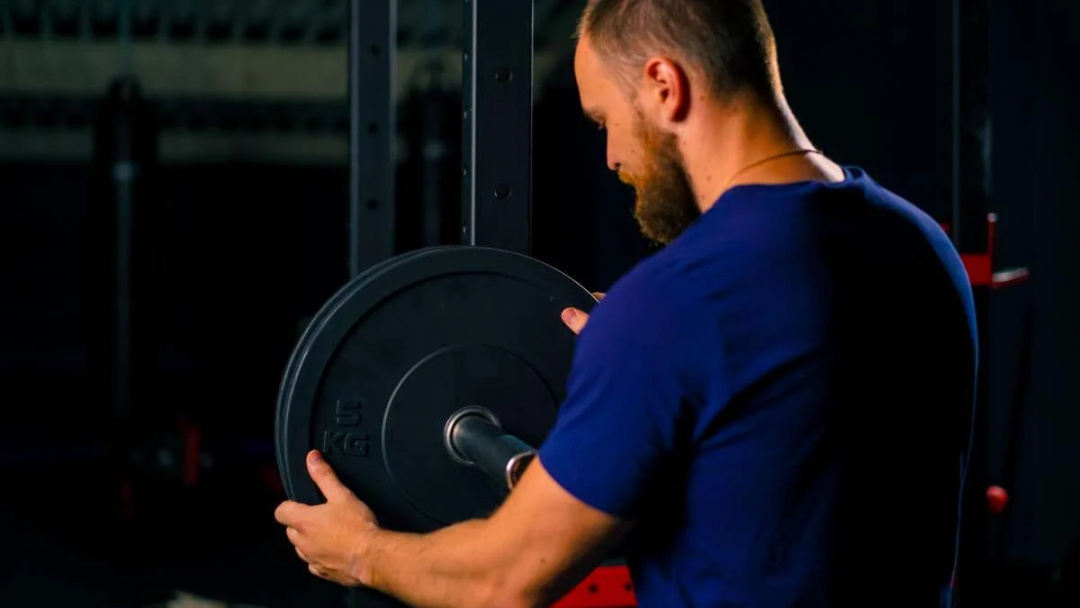
Plates are usually stored on holders around the gym. To remove a plate, grasp it with your hands at the 9 and 3 o'clock positions and pull it toward you. Be prepared to support the full weight of the plate as you lift it off the rack or floor. If you're lifting from the ground, treat it like a deadlift: keep your back straight and lift with your legs. If you need to reposition your hands while lifting, you can rest the plate against your body.
When loading plates onto the bar, start by standing the plate on end and inserting the bar into the hole. Push the bar through until it fits snugly. For the opposite side, roll the plate over and repeat the process. It's essential to load plates evenly on both sides to prevent the bar from tipping. Once you've loaded the desired weight, secure the plates with collars or clips to ensure they stay in place during your lifts.
Proper Techniques for Unloading Safely
To unload the bar, prop it up on a small plate or a deadlift jack, and remove each plate one at a time, again holding them at the 9 and 3 positions. Always take off one or two plates at a time to maintain balance. When returning plates to their storage, ensure they are placed back in their designated spots to keep the gym organized.
When it comes to gym etiquette, use the largest plates available and load them first to minimize the number of plates used. If you need to adjust your weight, it's often better to strip all weights and start fresh rather than adding smaller plates on top of larger ones. In competitive settings, plates are typically loaded with their front facing inward for visibility, but gym culture may vary.
Bumper plates are another option, designed to absorb impact when dropped. While they are suitable for Olympic lifts, they should be reserved for those exercises to avoid wear and tear on gym floors. Using the right plates for the right lifts not only maintains equipment but also enhances the overall gym experience.
Improve Your Workout
Understanding how to load and unload a barbell properly is a fundamental skill for anyone serious about lifting. Not only does it enhance your safety, but it also contributes to a more efficient workout. By following these guidelines, you can ensure that your barbell loading techniques are effective and that your gym experience is as smooth as possible.
Incorporating these techniques into your routine will not only make loading and unloading more manageable but will also set a positive example for others in the gym. Remember, a well-loaded barbell is the foundation of a successful lift, so take the time to master these skills and enjoy the benefits of a safer, more effective workout.