Top High-Protein Cheeses Recommended by Dietitians for Muscle Growth
Cheese is a beloved staple in many diets, renowned for its versatility and flavor. Despite its reputation for being high in calories and fat, recent dietary guidelines suggest that cheese can be a healthy part of a balanced diet. In fact, the latest Dietary Guidelines for Americans recommend that individuals consume 1.2 to 1.6 grams of protein per kilogram of body weight, underscoring the importance of protein for muscle growth, repair, and overall health.
Dietitians affirm that cheese can indeed be a good source of protein. Natalie Rizzo, a registered dietitian and TODAY nutrition editor, emphasizes that cheese is composed of casein and whey, both of which are milk proteins. This makes cheese a complete protein, containing all nine essential amino acids that the body cannot produce on its own. Depending on the type, cheese can provide between 5 to 14 grams of protein per serving.
For the Training Room
Sponsor press complete.
For instance, a 150-pound individual requires approximately 81 to 109 grams of protein daily, and cheese can contribute significantly to this intake. In addition to protein, cheese is rich in calcium, vitamin B12, and phosphorus, nutrients that are vital for bone health and muscle maintenance. Rizzo notes that the protein and fat content in cheese can also enhance satiety, helping individuals feel fuller after meals.
However, cheese should not be the sole source of protein in the diet. It's essential to incorporate a variety of protein sources, including lean meats, fish, beans, nuts, seeds, and high-protein grains. Rizzo advises moderation, suggesting a standard serving of cheese ranges from 0.5 to 1.5 ounces. Due to the varying consistencies of different cheeses, serving sizes can differ, making it important to read nutrition labels and consume cheese mindfully.
Dietitian Julia Zumpano warns that while cheese can be part of a healthy diet, overconsumption may lead to excessive intake of saturated fat, sodium, and calories, which could have negative health implications. The American Heart Association recommends limiting saturated fat to no more than 10% of total daily calories and sodium intake to 2,300 milligrams.
Balancing Cheese Intake for Health Benefits
For those who love cheese, balancing intake with other sources of saturated fat is crucial. Zumpano recommends a daily intake of about 1 ounce of cheese, and for individuals with high cholesterol or heart disease, limiting cheese to less than 4 ounces per week is advisable.
When it comes to high-protein cheeses, several stand out. Cottage cheese tops the list, offering around 12 to 14 grams of protein per half-cup serving, making it one of the most protein-rich dairy options available. Parmesan cheese, while typically consumed in smaller quantities, has the highest protein content per gram, providing a concentrated source of nutrients.
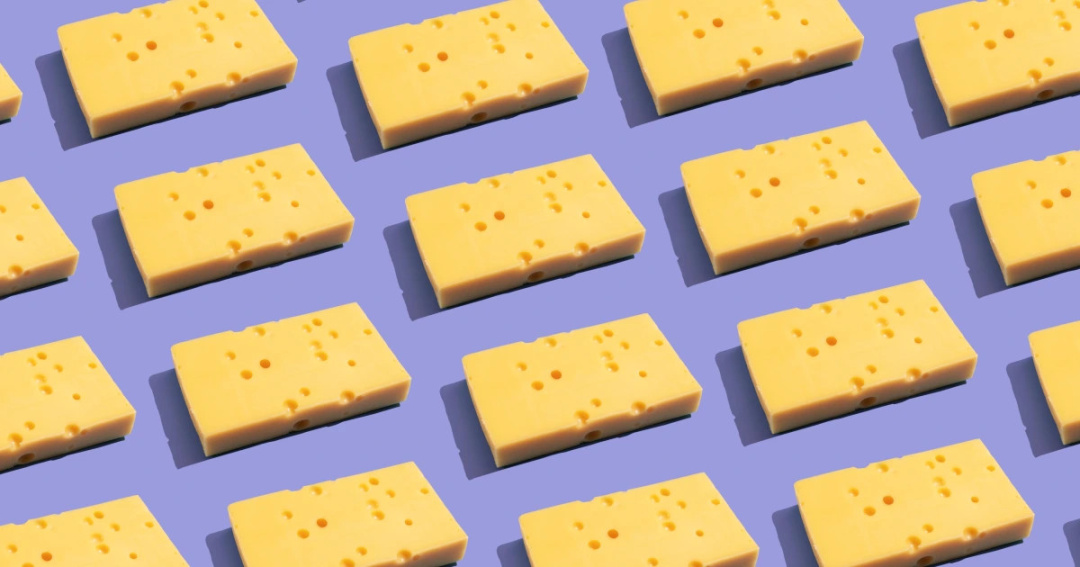
Ricotta cheese, Swiss cheese, cheddar, mozzarella, and provolone also deliver substantial protein per serving, making them excellent choices for those looking to increase their protein intake through dairy. Each of these cheeses not only supports muscle growth but also provides additional nutrients beneficial for overall health.
Improve Your Workout
Incorporating these protein-rich cheeses into your diet can enhance your overall nutrition, especially for strength and physique athletes. However, it’s essential to consume them in moderation and as part of a balanced diet. By being mindful of portion sizes and the overall dietary context, cheese can contribute positively to your protein intake and support your fitness goals.
Ultimately, while cheese can be a delicious and nutritious addition to your meals, it’s vital to balance it with other protein sources and maintain a varied diet. This approach not only helps in meeting your protein needs but also supports overall health and well-being. Enjoy your cheese, but remember to do so wisely, ensuring it complements a diet rich in diverse nutrients.