Comparative Study of Recovery Strategies for CrossFit Athletes
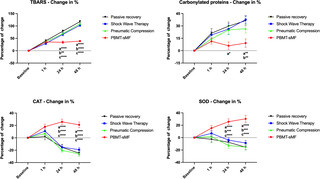
A recent study published in PLOS One has shed light on the effectiveness of different recovery strategies for CrossFit athletes, specifically focusing on reducing muscle damage and improving functional performance following intense workouts. This randomized controlled trial compared four recovery modalities: passive recovery (PR), intermittent pneumatic compression (IPC), extracorporeal shock wave therapy (ESWT), and photobiomodulation therapy combined with a static magnetic field (PBMT-sMF). The study's findings are particularly relevant for athletes seeking evidence-based methods to enhance their recovery.
The trial involved twelve healthy male CrossFit athletes who were subjected to each of the recovery interventions after their workout of the day (WOD) over a four-week period. Assessments were conducted at baseline and at 1, 24, and 48 hours post-WOD. The primary outcome measured was vertical jump performance, specifically the countermovement jump (CMJ) height at one hour post-WOD. Secondary outcomes included various biochemical markers indicative of muscle damage and oxidative stress, such as lactate dehydrogenase (LDH) levels, superoxide dismutase (SOD) and catalase (CAT) activity, and perceived exertion.
For the Training Room
Sponsor press complete.
Interestingly, the study found no significant difference in CMJ height at one hour post-WOD across the different interventions. However, PBMT-sMF demonstrated notable advantages in secondary outcomes, significantly improving CMJ height at 24 and 48 hours compared to passive recovery. Furthermore, PBMT-sMF led to greater reductions in LDH levels and improved antioxidant enzyme activities, suggesting its potential as an effective recovery strategy for CrossFit athletes.
The implications of these findings are significant for athletes and coaches who are continually seeking ways to optimize recovery and performance. With the growing popularity of CrossFit and the intense nature of its workouts, understanding the best recovery modalities is crucial. Photobiomodulation therapy, in particular, may offer a promising approach by modulating oxidative stress and enhancing recovery processes.
As the study highlights, the choice of recovery strategy can have a profound impact on an athlete's performance and recovery timeline. While traditional methods like passive recovery and IPC are commonly used, the evidence supporting PBMT-sMF suggests that it could be a valuable addition to recovery protocols in the CrossFit community. This study not only contributes to the existing literature on recovery strategies but also emphasizes the need for further research to explore the mechanisms behind these interventions and their long-term effects on athletic performance.
In conclusion, the findings from this study advocate for a more nuanced approach to recovery in CrossFit athletes, encouraging the exploration of innovative therapies like photobiomodulation. As athletes continue to push their limits, integrating effective recovery strategies will be essential for sustaining performance and minimizing injury risks.
Understanding Recovery Modalities
The study's methodology was robust, employing a randomized controlled design that minimizes bias and enhances the reliability of the results. Each athlete underwent all four recovery interventions with a seven-day washout period between sessions, ensuring that the effects could be accurately attributed to the recovery strategy employed. This careful design allows for a clearer understanding of how each method impacts recovery and performance metrics.
As CrossFit continues to evolve, so too must the strategies that support its athletes. The insights gained from this study could pave the way for more personalized recovery protocols that cater specifically to the needs of CrossFit competitors, ultimately leading to improved performance and reduced risk of injury.
Improve your workout
Incorporating evidence-based recovery strategies is vital for athletes looking to maintain peak performance. As the findings suggest, exploring innovative recovery options like photobiomodulation therapy could offer significant benefits. Athletes and coaches should consider integrating these findings into their training regimens to enhance recovery and optimize performance outcomes.