Study Reveals Resistance Training Boosts Muscle Repair System
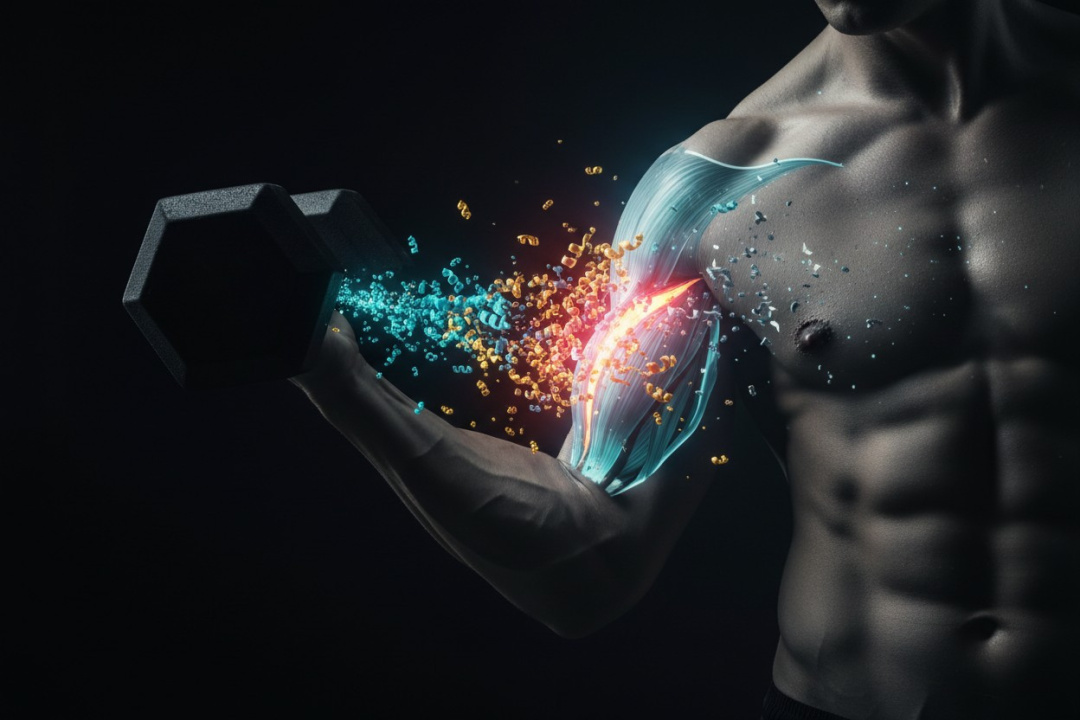
A recent study published in Nature Communications has shed light on the impact of resistance training on the muscle protein repair system, revealing that regular strength training does more than just increase muscle size and strength. As individuals age, maintaining strong muscles becomes crucial to prevent chronic health issues and injuries related to falls. This study adds to the growing body of evidence that consistent resistance training is vital for muscle health, particularly in combating age-related muscle loss, known as sarcopenia.
The researchers focused on the protein BAG3, which plays a key role in coordinating the removal and replacement of damaged muscle structures. Each time a muscle is subjected to stress, such as during resistance training, it experiences minor damage. The muscle cells must then identify and eliminate these damaged proteins to prevent accumulation, which can hinder muscle function. The study found that regular resistance training enhances this inherent repair and recycling system, allowing muscles to recover more effectively after workouts.
For the Training Room
Sponsor press complete.
The cohort for this study consisted of six men, and while the findings are promising, the authors caution that broader studies are needed to generalize the results. The small, all-male sample size limits the conclusions that can be drawn. Previous research involving around 300 older adults with knee osteoarthritis demonstrated that those who engaged in strength training or aerobic walking reported less pain after 18 months compared to those who only received health education.
After six weeks of resistance training, participants exhibited less muscle damage and a reduced stress response following workouts. This suggests that their muscles became better equipped to handle the demands of lifting weights and could recover more efficiently. However, the study also revealed that after a mere three weeks without training, the benefits gained from resistance training began to fade, with muscle fibers showing damage-related lesions similar to pre-training levels. This indicates that the improvements in the muscle repair system are not sustained once training ceases, even if individuals do not perceive any physical changes.
The Importance of Protein in Muscle Recovery
The availability of proteins, particularly amino acids in the bloodstream during workouts, is crucial for minimizing muscle damage and promoting muscle protein synthesis post-training. The study suggests that engaging in resistance training at least twice a week may be sufficient to support the muscle's internal repair adaptations, while long breaks of three weeks can erode these benefits. Importantly, the advantages of resistance training extend beyond mere muscle size or strength, highlighting its role in overall muscle health and longevity.
Make it work for you
Other studies have explored the interplay between resistance training and nutrition in older populations. A 2026 report indicated that neither resistance training nor whey protein alone yields optimal results for older adults; rather, a combination of both is necessary for significant improvements. Additionally, a separate study on a brief daily home-based resistance training program called FAST-2 reported enhancements in strength and balance among older adults.
In conclusion, the findings underscore the importance of consistency in resistance training for maintaining the muscle repair system. Strength training is not just about building muscle; it is a critical component of overall health and resilience, especially as we age. Regular engagement in resistance training can help preserve muscle function and prevent the detrimental effects of aging, making it an essential practice for anyone looking to maintain their physical capabilities.