Controversy Erupts Over Joanna Wietrzyk's HYROX Incident

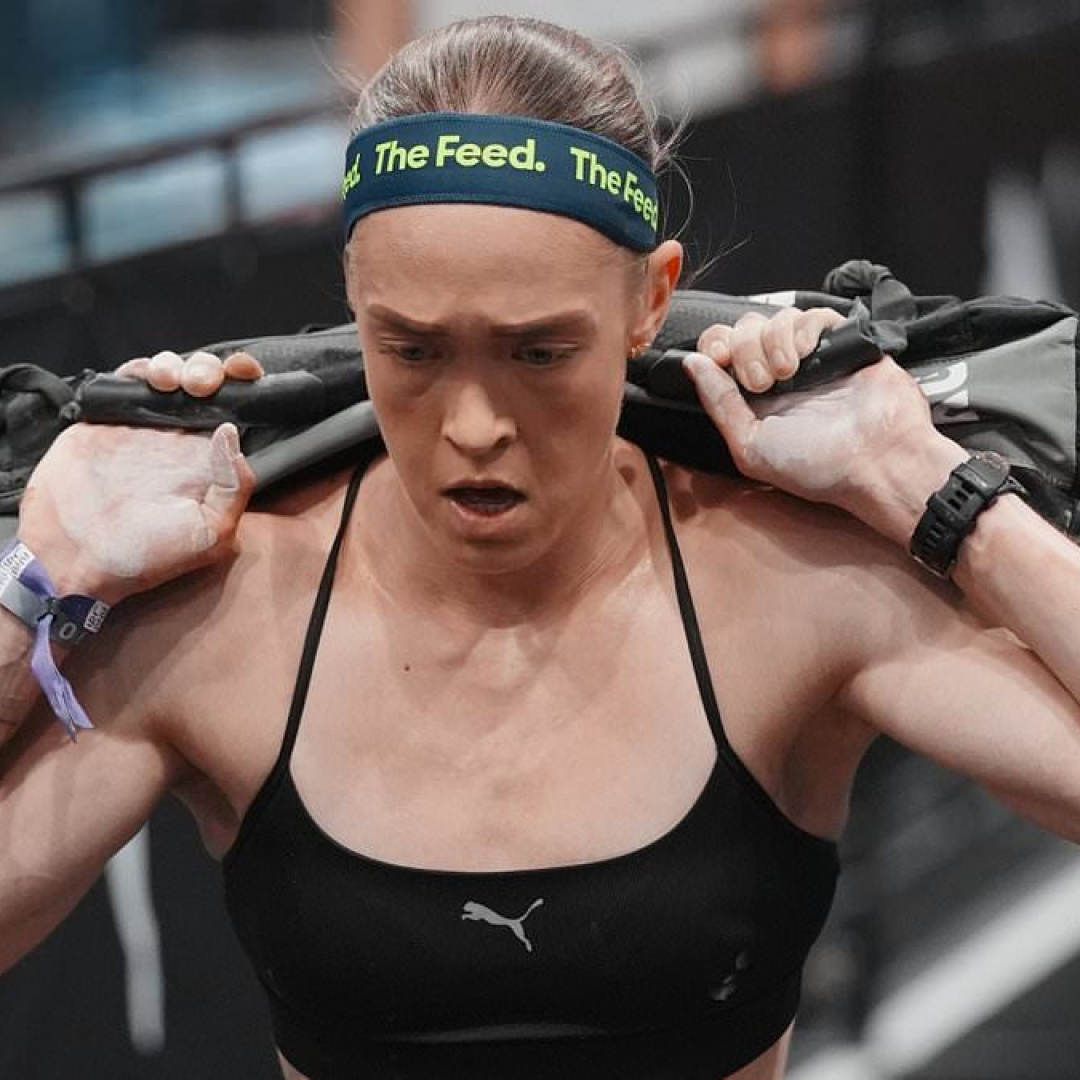
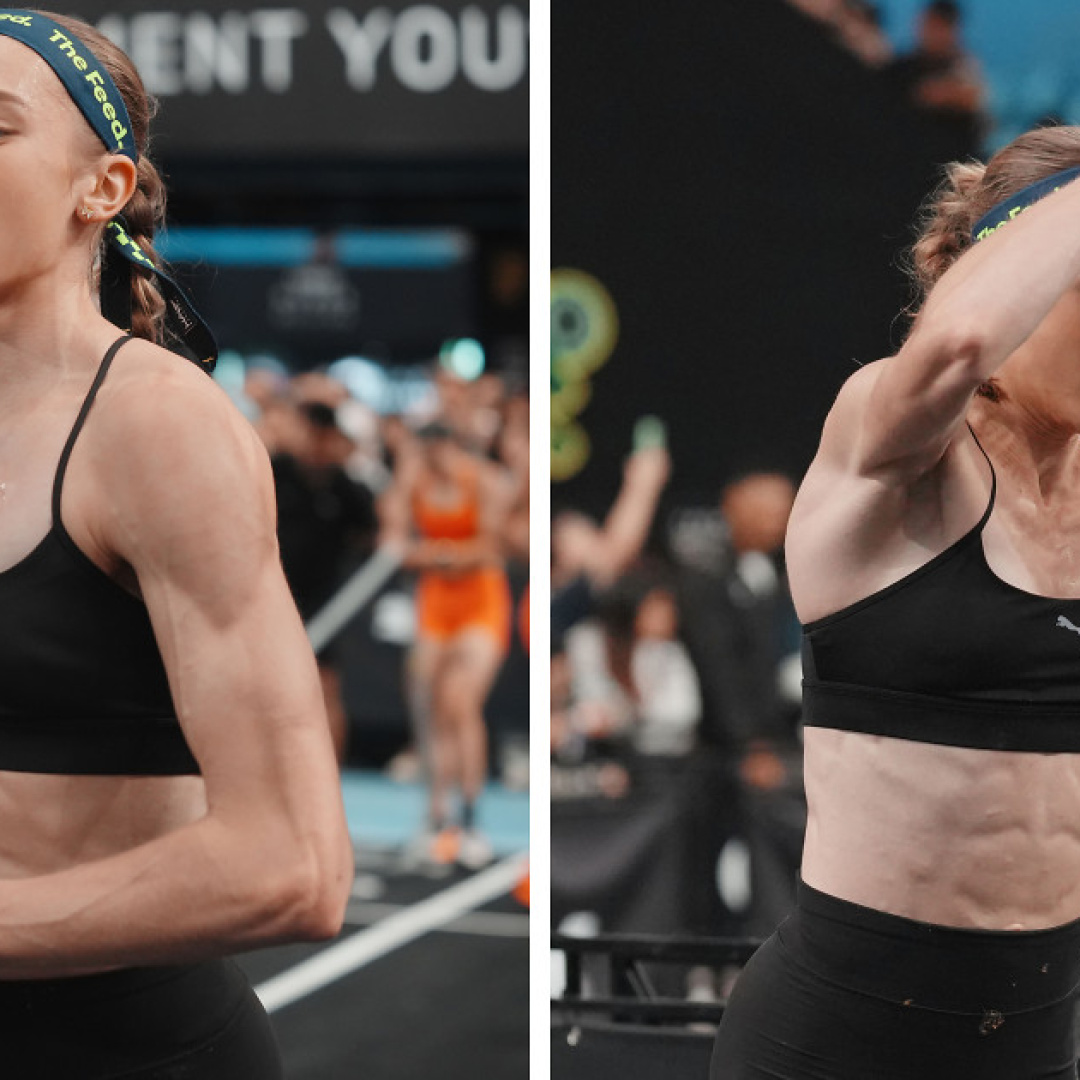
In a recent HYROX competition held in Beijing, Australian athlete Joanna Wietrzyk found herself at the center of a storm of controversy after an unfortunate incident during the event. Wietrzyk, 22, continued to compete despite soiling herself, prompting discussions about hygiene standards and athlete conduct in functional fitness competitions. Critics have called for her disqualification, arguing that her actions were unsanitary and unfair to fellow competitors who had to use the same equipment after her. The situation has drawn parallels to past incidents where hygiene issues have caused significant disruptions, such as a Delta Air Lines flight that had to turn around due to a passenger's medical emergency.
HYROX co-founder Moritz Furste has since issued an apology and announced plans to revise the competition rules, making it clear that athletes can no longer continue competing under such circumstances. The need for such a rule change has baffled many, highlighting a troubling trend in fitness culture where serious medical incidents are sometimes celebrated rather than addressed with the gravity they deserve.
For the Training Room
Sponsor press complete.
Wietrzyk took to Instagram after the incident, sharing a photo of herself in a hospital bed with an IV drip, captioned, "Go hard or go home, a win is a win." This sentiment echoes a growing narrative in the fitness community that glorifies pushing through pain and discomfort, often at the expense of health and safety. The incident has sparked a broader conversation about the pressures faced by amateur athletes in today’s fitness culture, where social media often amplifies the need for extreme dedication and resilience.
Critics argue that the fitness culture has shifted dramatically, with many amateur athletes adopting a mindset that prioritizes performance over well-being. This shift has led to a phenomenon where accidents and injuries are sometimes romanticized as badges of honor. The rising trend of weekend warriors—individuals who lead regular jobs during the week but transform into intense athletes during their off time—has contributed to this culture. These weekend warriors often engage in rigorous training regimens and adopt a vocabulary that elevates their fitness pursuits to an almost obsessive level.
The Dangers of Glorifying Extreme Athleticism
While it is commendable that more people are engaging in physical activity and striving for better health, the implications of Wietrzyk's incident serve as a cautionary tale. The glorification of extreme athleticism can lead to dangerous situations, as seen in this case. As the fitness community reflects on this incident, it is crucial to balance ambition with responsibility, ensuring that the pursuit of fitness does not come at the cost of personal health and safety.
The Need for Change in Fitness Culture
As discussions about Wietrzyk's actions continue, it is essential to consider the broader context of fitness culture. The rise of social media has transformed how athletes present themselves, often leading to an environment where the most extreme behaviors are celebrated. This can create unrealistic expectations for amateur athletes who may feel pressured to perform beyond their limits. The incident serves as a reminder that while striving for excellence is admirable, it should never come at the expense of health and safety.
In conclusion, the HYROX incident involving Joanna Wietrzyk has opened up a necessary dialogue about the standards and expectations within modern fitness culture. As the community moves forward, it is imperative to foster an environment that prioritizes health and well-being alongside ambition and competition. The fitness journey should be about personal growth and achievement, not about glorifying reckless behavior or compromising one's health in the name of performance.