The 2026 Longevity Blueprint: Integrating Strength, Nutrition, and Recovery
Fitness discussions have often become fragmented, with strength training, nutrition, and recovery treated as separate entities. However, for those in their 40s and 50s contemplating their health for the next decade, this segmented approach can hinder results and potentially shorten healthspan. Recent research underscores that longevity is not about doing more but rather about integrating the right elements effectively.
Traditionally, fitness for older adults focused on maintenance: keeping weight off, maintaining mobility, and preventing falls. This perspective, however, is outdated. New insights from research institutions, such as the Buck Institute and Stanford's Longevity Center, advocate for a model that aims to compress morbidity, promoting not just a longer life but a healthier one, where individuals remain strong and functional into their 70s and beyond. This shift necessitates a reevaluation of training and nutrition strategies.
For the Training Room
Sponsor press complete.
Research consistently shows that strength, nutrition, and recovery are interdependent; optimizing one while neglecting the others leads to diminishing returns. Muscle mass is now recognized as a vital metabolic asset and a key longevity marker. Studies published in the American Journal of Medicine indicate that muscle mass is a more accurate predictor of mortality risk than body mass index in older adults. Sarcopenia, or the age-related loss of muscle, begins in the 30s and accelerates without proactive measures.
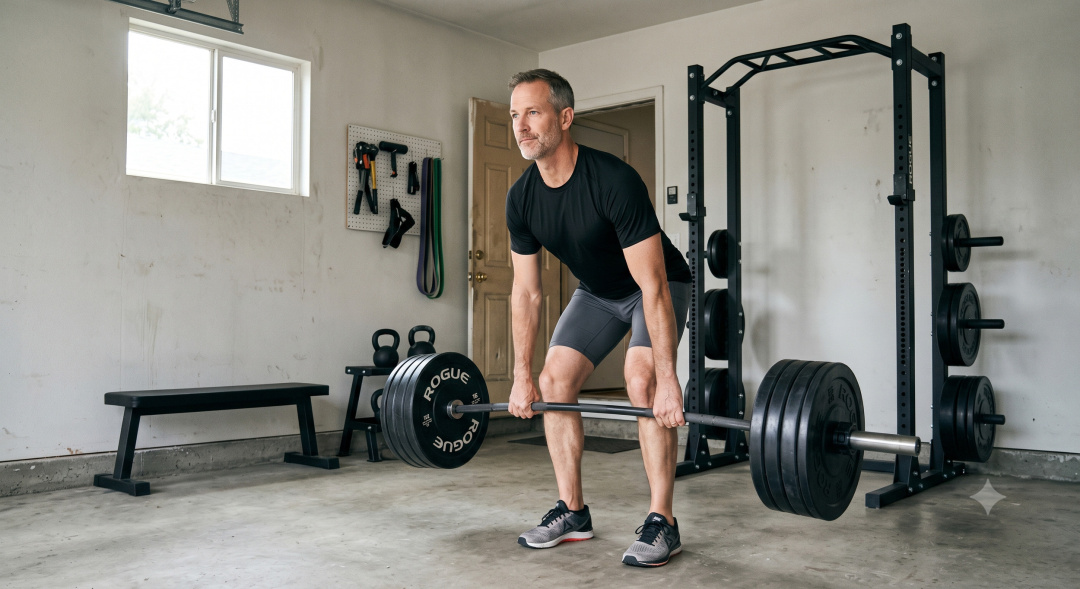
To combat this, a straightforward yet essential prescription emerges: engage in resistance training two to four times per week, focusing on compound movements such as squats, deadlifts, rows, and presses. These exercises engage multiple muscle groups and stimulate the hormonal responses necessary for muscle preservation and growth. Consistency and progressive overload are crucial; if your routine remains unchanged over six months, you risk stagnation or decline.
Nutrition plays a pivotal role that many overlook. Despite rigorous training, poor dietary choices can undermine fitness efforts. For longevity, protein intake is paramount. Adults over 40 often fail to consume adequate protein, which is critical as muscle protein synthesis becomes less efficient with age. Current recommendations suggest a daily intake of 0.7 to 1 gram of protein per pound of body weight, spread across meals. While the source of protein is important, consistency is key. Whole foods, healthy fats, and adequate hydration should form the nutritional foundation, while processed foods and excessive refined carbohydrates should be minimized.
Creatine supplementation, once primarily associated with bodybuilders, is gaining traction for its potential neuroprotective properties and ability to aid muscle retention in older adults. This supplement is one of the most researched, with robust evidence supporting its benefits.
The Essential Role of Recovery in Longevity
Recovery is often perceived as a luxury rather than a necessity, yet it is critical for long-term health. Sleep is the cornerstone of recovery, with seven to nine hours being essential for tissue repair, hormone regulation, and memory consolidation. Chronic sleep deprivation can elevate cortisol levels, impair glucose metabolism, and accelerate aging processes. For those serious about longevity, prioritizing sleep hygiene is as important as training.
Managing stress is another crucial aspect of recovery. For many professionals, chronic stress can disrupt muscle protein synthesis, hinder sleep, and contribute to fat accumulation. Techniques such as breathwork, intentional rest, and protecting downtime are vital performance variables, not just soft skills.
Additionally, Zone 2 cardio, characterized by low-intensity steady-state exercise, supports cardiovascular function and metabolic flexibility. Engaging in this type of exercise for two to three sessions per week can yield significant health benefits.
Improve your workout
The 2026 Longevity Blueprint is not a temporary program but a comprehensive lifestyle approach. It encompasses resistance training with compound movements, a protein-rich diet that supports muscle health and reduces inflammation, and a commitment to recovery through sleep and stress management. These three pillars are interconnected; neglecting one weakens the others. By aligning all three, individuals can cultivate a health trajectory that compounds positively over time, rather than merely maintaining the status quo.
At Legacy Fitness & Nutrition, we design programs that reflect this holistic approach. Rather than providing a one-size-fits-all workout, we assess the complete picture—training, nutrition, and recovery—to create a personalized system that fits individual lifestyles. Longevity is not a phase; it is the ultimate goal of fitness.