Controversy Erupts as Jammie Booker Stripped of Strongwoman Title
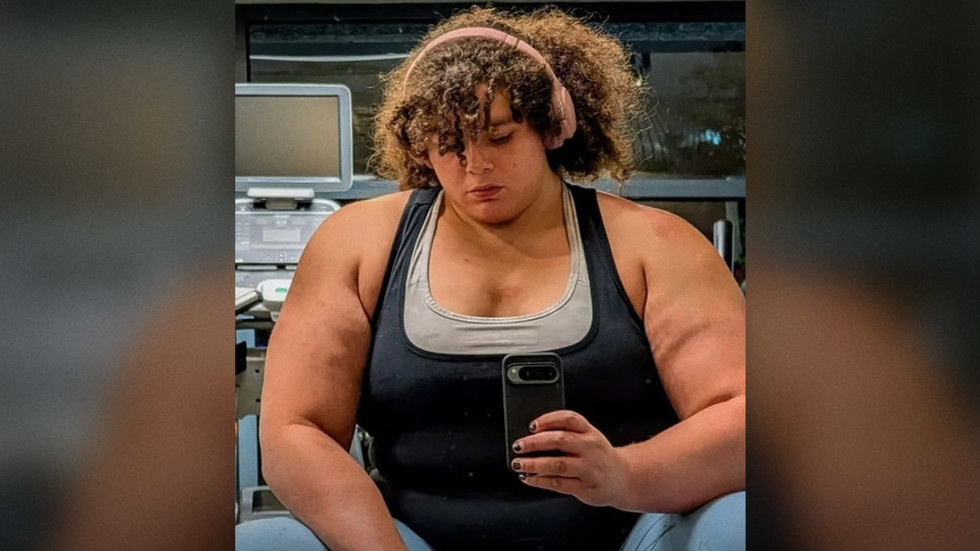
Jammie Booker, who recently claimed victory at the 2025 World’s Strongest Woman competition, has been stripped of her title following revelations about her biological sex. The announcement was made during the Cerberus Strength Official Strongman Games held in Texas, where Booker competed in the Women’s Open category. Organizers stated they were unaware of her being biologically male prior to the event, leading to the disqualification. In light of this, the final results have been amended, with Andrea Thompson from the UK now recognized as the winner.
This incident underscores the growing tensions surrounding transgender athletes in competitive sports, particularly in categories traditionally reserved for women. The Official Strongman organization emphasized its commitment to ensuring fairness in competition, asserting that athletes must be classified according to their sex at birth. This decision reflects a broader trend, as various sports organizations grapple with the implications of allowing transgender women to compete against biological females.
For the Training Room
Sponsor press complete.
The participation of transgender athletes has been a contentious issue, with various cases fueling the debate. For example, the US Olympic and Paralympic Committee recently barred transgender women from competing in women’s Olympic events, a move that aligns with a directive from former President Donald Trump. This policy threatens federal funding for institutions that do not comply, illustrating the political dimensions of the issue.
The discourse around transgender athletes gained significant media attention with cases like swimmer Lia Thomas and weightlifter Laurel Hubbard, both of whom have faced scrutiny regarding their participation in women’s events. Advocates for inclusion argue that banning transgender women from female categories is discriminatory, while opponents assert that biological advantages remain a concern.
IOC's Evolving Stance on Transgender Athletes
As the landscape of competitive sports continues to evolve, the International Olympic Committee (IOC) has attempted to navigate these complexities. In 2021, the IOC stated there should be "no presumption of advantage" for transgender athletes, delegating eligibility decisions to individual sports federations. However, the issue resurfaced during the 2024 Paris Olympics when Algerian boxer Imane Khelif, previously ruled ineligible, won gold, prompting discussions about the scientific basis for gender classifications in sports.
The IOC is reportedly set to revise its eligibility policies, potentially barring transgender women from competing in female categories. This change is anticipated to be based on a scientific review indicating that the physical advantages associated with male puberty may persist even after testosterone levels are medically regulated. As these discussions unfold, the implications for athletes like Jammie Booker and the future of gender classifications in strength sports remain uncertain.
The Ongoing Debate on Transgender Participation
The ongoing debate surrounding transgender participation in sports is not just a matter of policy; it reflects deeper societal questions about gender identity and fairness in competition. As organizations like the Official Strongman grapple with these issues, the implications for athletes across all sports are profound. The need for a balanced approach that respects both inclusivity and fairness is critical as the conversation continues to evolve.
As the landscape of competitive strength sports shifts, it is essential for athletes, organizers, and fans to engage in informed discussions about these policies and their impact on the future of sports. The case of Jammie Booker serves as a significant touchpoint in this ongoing dialogue, highlighting the complexities that come with defining gender in competitive environments.