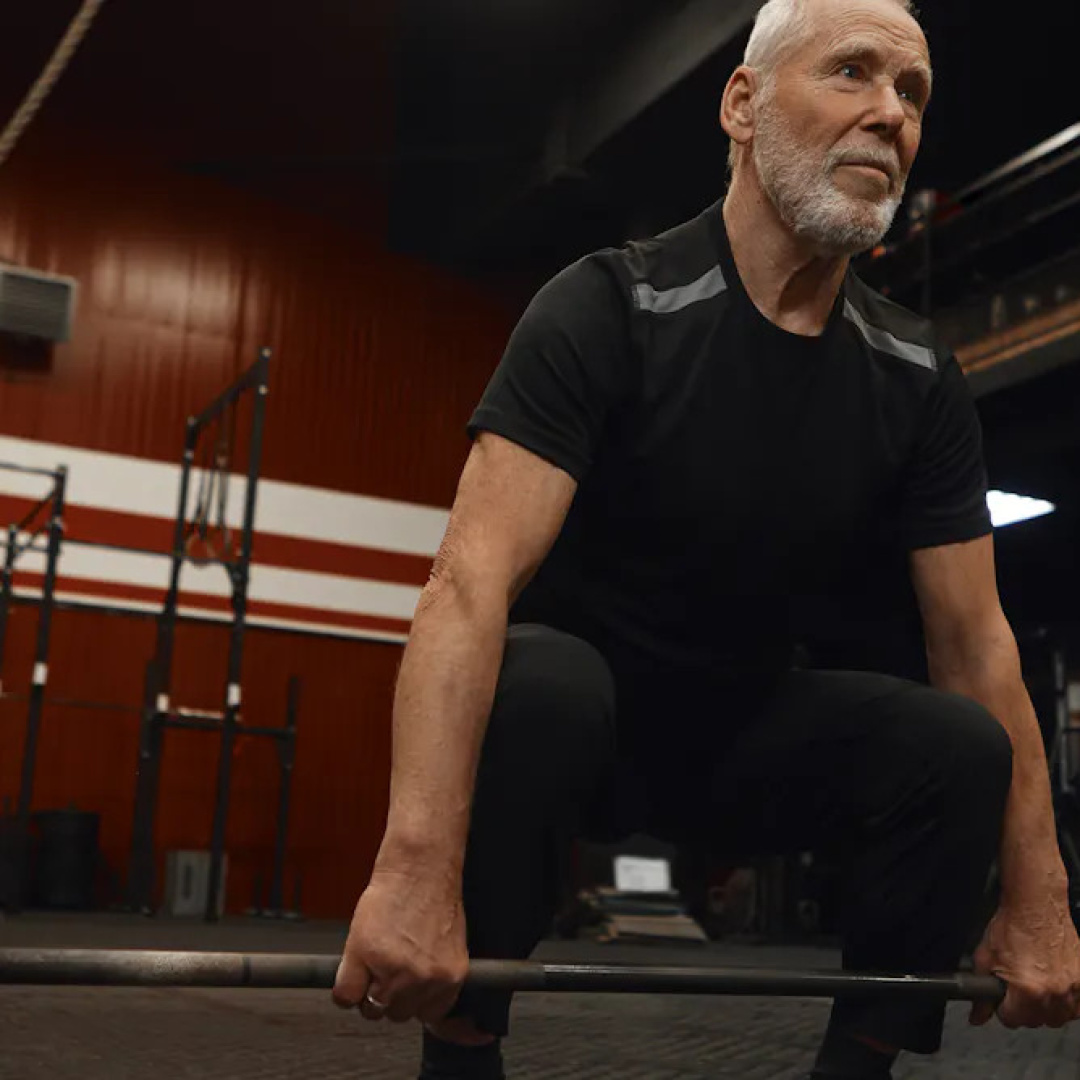
Study Reveals Four-Minute Strength Training Boosts Mobility in Seniors

A new study published in the journal PLOS One has found that a four-minute daily strength training program can significantly improve mobility among older adults. The research, conducted by the Penn State College of Medicine, focused on the Functional Activity Strength Training (FAST-2) program, which consists of a simple circuit of exercises performed in short intervals. Participants engaged in this routine for 30 seconds at a time, followed by a 30-second rest, completing the entire circuit in just four minutes.
The study enrolled 97 sedentary adults with an average age of 74, who were initially averaging only 18 minutes of total physical activity per week. Participants were randomly assigned to either the exercise group, which performed the four-minute routine daily, or a control group that received no intervention. The exercise routine included push-ups, chair stands, two-arm resistance-band rows, and stair stepping using an adjustable step platform. Modifications were provided to ensure accessibility, such as performing push-ups against a wall or counter.
For the Training Room
Sponsor press complete.
After 12 weeks of participation, those in the exercise group demonstrated measurable gains in physical performance. They averaged 4.2 more repetitions in a 30-second chair-stand test, completed sit-to-stand repetitions 2.3 seconds faster, and increased their one-legged balance time by an average of 3.6 seconds compared to the control group. These improvements are significant as they are indicators of reduced risk for falls and enhanced overall mobility, which are critical for maintaining independence in older adults.
Lead author Christopher Sciamanna, a professor of medicine and public health at Penn State, noted that these performance indicators are predictive of future mobility and health outcomes. Co-author Smita Dandekar emphasized that the short duration of the exercise routine addresses common barriers to physical activity, such as time constraints and complexity, making it a viable option for sedentary seniors.
Adherence Rates and Study Limitations
The study reported a high adherence rate, with participants completing workouts on 81% of tracked days, which is notably high for home exercise programs. However, the research does have limitations, including a small sample size and a short duration of only 12 weeks, leaving questions about the long-term sustainability of these benefits. Additionally, the study did not address how the routine might affect seniors with more severe physical limitations or those using assistive devices.
Make it work for you
Further research is necessary to explore the safety and effectiveness of this training regimen for individuals with varying levels of physical ability and cognitive function. The study was funded by the National Institutes of Health, and the authors disclosed no conflicts of interest. Current public health guidelines recommend at least 150 minutes of moderate exercise per week, yet fewer than 20% of older adults meet muscle-strengthening recommendations. This four-minute routine could serve as a low-barrier alternative for those who are currently inactive, promoting increased physical activity among older populations.
Age-related muscle loss, known as sarcopenia, affects a significant portion of older adults, making strength training essential for maintaining mobility and independence. Regular exercise not only supports muscle strength but also contributes to overall health, including bone density and cognitive function. As the trend toward shorter, more accessible exercise routines continues to grow, this study adds valuable evidence to support their incorporation into senior wellness programs.