Strength Training at 70: Evidence Supports Late-Start Gains

A 71-year-old woman recently posed a question to Nerd Fitness coach Matt Myers: "Is it too late?" Her concern revolved around the possibility of starting strength training at her age and whether it could yield meaningful results. Myers responded with a resounding no, emphasizing that beginners often experience the most significant responses to training, regardless of age. In fact, early strength gains are typically attributed to the body's ability to learn and coordinate movements rather than immediate muscle growth.
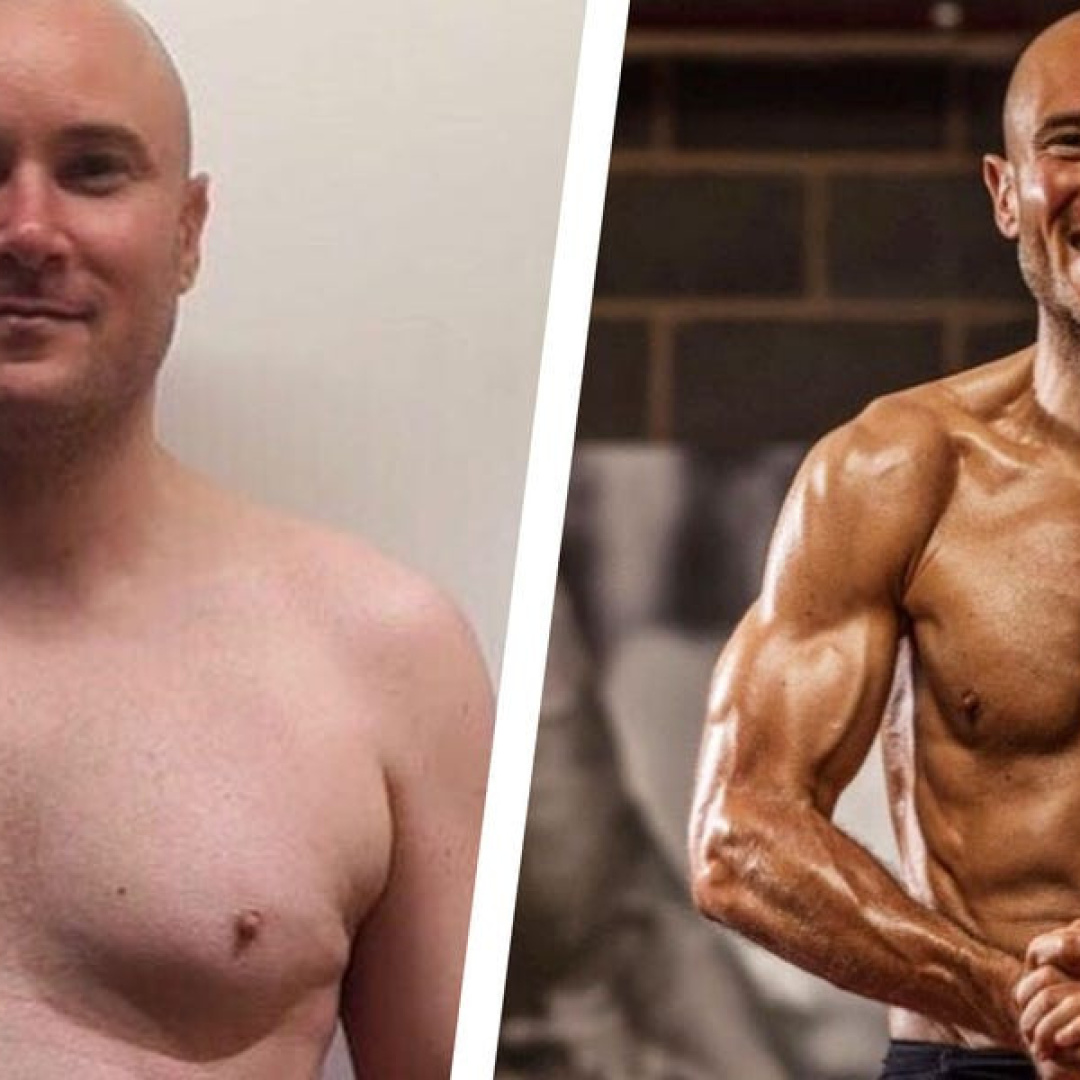
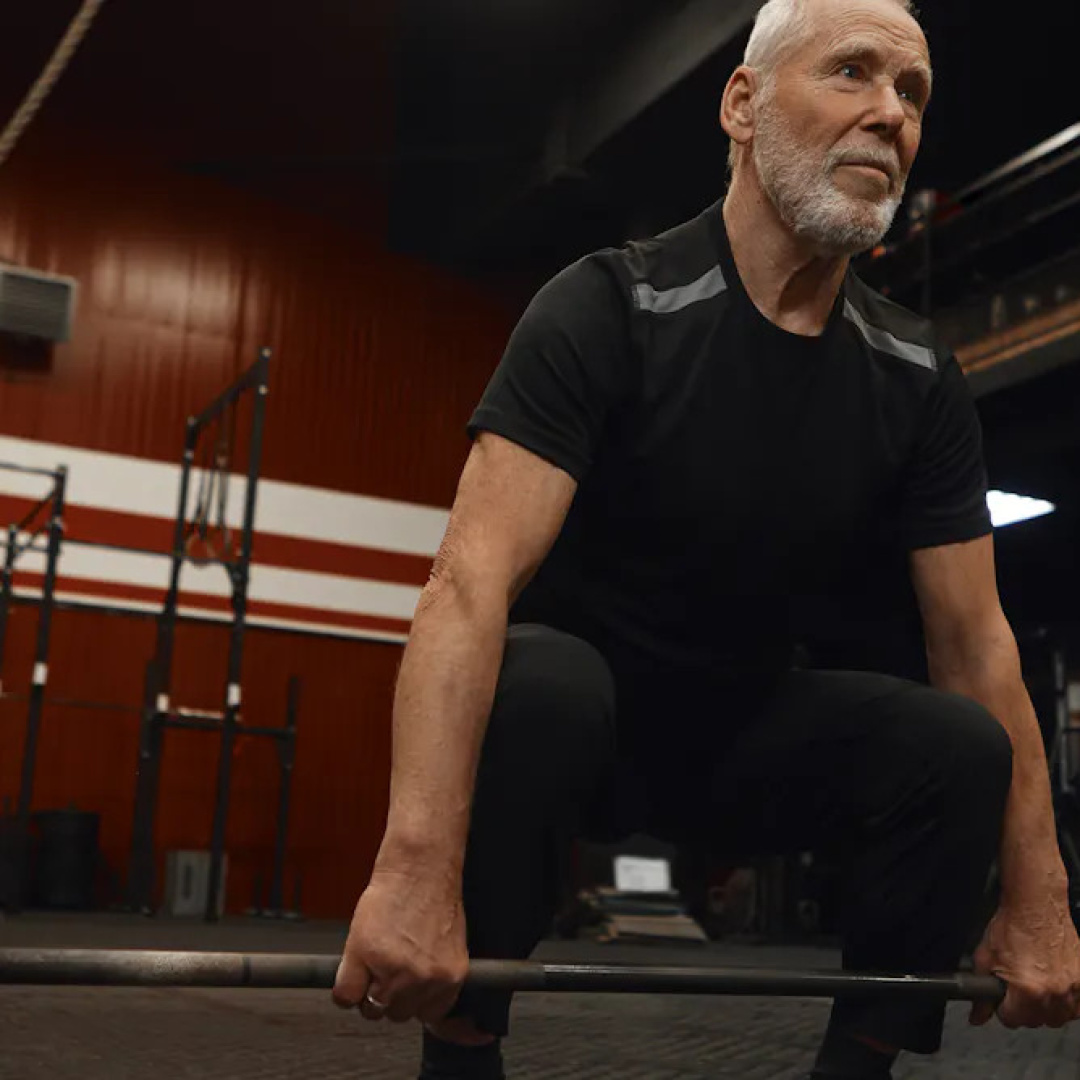
Research supports the assertion that older adults can effectively respond to resistance training. The book "The Active Female: Health Issues Throughout the Lifespan" notes that men aged 60 to 72 can achieve over 100% strength gains after just three months of weightlifting. Remarkably, studies show that individuals over 90 or even 100 years old can increase their strength by approximately 125% through consistent strength training. This evidence suggests that advanced age does not hinder the body's capacity for significant physiological adaptation.
For the Training Room
Sponsor press complete.
Myers explains that early strength gains stem from improved neuromuscular coordination before any visible muscle growth occurs. As individuals continue to train, their bodies adapt to the loads they lift. Strength training is also recognized as one of the most effective methods for maintaining bone health as we age. A report by Ramon Tomey highlights that regular physical activity can counteract the decline in strength, balance, and mobility often seen in older adults. Myers notes that while the direction of adaptation is consistent for everyone, individual results may vary based on factors like sleep, nutrition, and overall lifestyle conditions.
For those just starting out, Myers recommends a gradual approach. He suggests beginners practice movements rather than jumping straight into formal workouts. Simple exercises like wall push-ups, controlled chair squats, and one-arm rows using household items can help individuals learn the movements and gauge their body's readiness for more intense training. The goal is to treat these exercises as skills to be developed over time.
Effective Time Management for Beginners
According to Myers, the total time commitment for strength training is less than many expect. He advises that 30 to 60 minutes of strength training per week can be effective, which can be divided into short sessions of 5 to 10 minutes most days or longer sessions a couple of times a week. Since beginners may experience more soreness, he recommends starting with lower intensity and gradually increasing volume as recovery allows. This strategy helps build momentum and reduces the risk of overtraining.
Make it work for you
Myers shares the story of Becky, a coaching client who began her gym journey at 57 and is now 77. Over the past 3.5 years in the coaching program, Becky has engaged in various activities, including walking, rowing, strength training, and swimming. She credits the program for helping her adapt her workouts following a total knee replacement and physical therapy for her knees and shoulders. Becky emphasizes that fitness success is about finding enjoyable movements, stating, "You're never too old to exercise."
The evidence clearly indicates that strength training can benefit older adults, regardless of when they start. Consistent, moderate effort leads to measurable results, as confirmed by both coaching experts and published research. Myers encourages readers of all ages with an empowering message: "YOU GOT THIS." The conclusion drawn from the 71-year-old's inquiry serves as a factual rebuttal to the belief that it's too late to begin strength training at 70. The body retains its ability to respond to resistance exercise, and both clinical and practical improvements can be achieved well into later decades.