Minnesota Supreme Court Rules Against Discrimination in Powerlifting
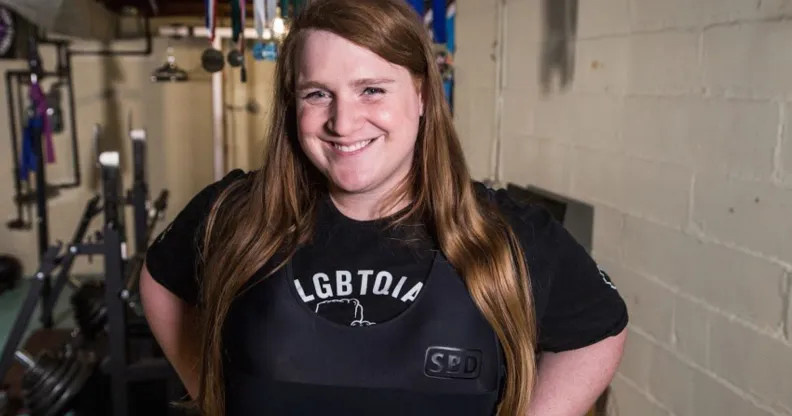
The Minnesota Supreme Court has ruled that USA Powerlifting's policy banning transgender athlete JayCee Cooper from competing in women's events constitutes discrimination. In a decision handed down on October 22, 2025, the justices found the policy to be "facially discriminatory," meaning that the language of the policy itself discriminates against transgender women without needing to consider its intent or application.
This ruling stems from Cooper's 2021 lawsuit against USA Powerlifting after her request to compete in the women's division was denied in 2018. The governing body had implemented a policy that barred transgender individuals from competing in events consistent with their gender identity, which the court found to be in violation of the Minnesota Human Rights Act. This act protects individuals from discrimination based on their gender identity, reinforcing the legal framework that supports inclusivity in sports.
For the Training Room
Sponsor press complete.
The court's decision has significant implications for the future of gendered competitions in powerlifting. The ruling has been sent back to a lower court, which will now assess whether USA Powerlifting can justify its exclusion of trans athletes as having a "legitimate business purpose". This aspect of the ruling will require attorneys to argue if the goal of maintaining competitive fairness in athletics can be deemed a valid reason for such exclusion under the law.
Victory for Trans Athletes in Minnesota
In 2023, a district court had already ordered USA Powerlifting to cease all discriminatory practices, including the ban on trans athletes. Gender Justice, the legal group representing Cooper, celebrated the Supreme Court's ruling as a major victory that will help protect all transgender individuals in Minnesota from discrimination. Legal counsel Jess Braverman emphasized that the ruling solidifies the rights of trans athletes, stating that the narrow exceptions left by the court are unlikely to alter the overall outcome.
Get buff
However, USA Powerlifting's solicitor, Ansis Viksnins, characterized the ruling as a mixed outcome, arguing that the lower court's decision provides an opportunity for the organization to defend its policy. Viksnins indicated that the forthcoming court proceedings will allow them to present their case for excluding transgender women from the women's division based on fairness in competition.
As the legal battle continues, the ruling serves as a pivotal moment for inclusivity in powerlifting, highlighting the ongoing tensions between competitive integrity and the rights of transgender athletes. The outcome of this case could set a precedent not only within Minnesota but also for powerlifting organizations across the United States and beyond.