Minnesota Supreme Court Rules Against USA Powerlifting's Gender Policy
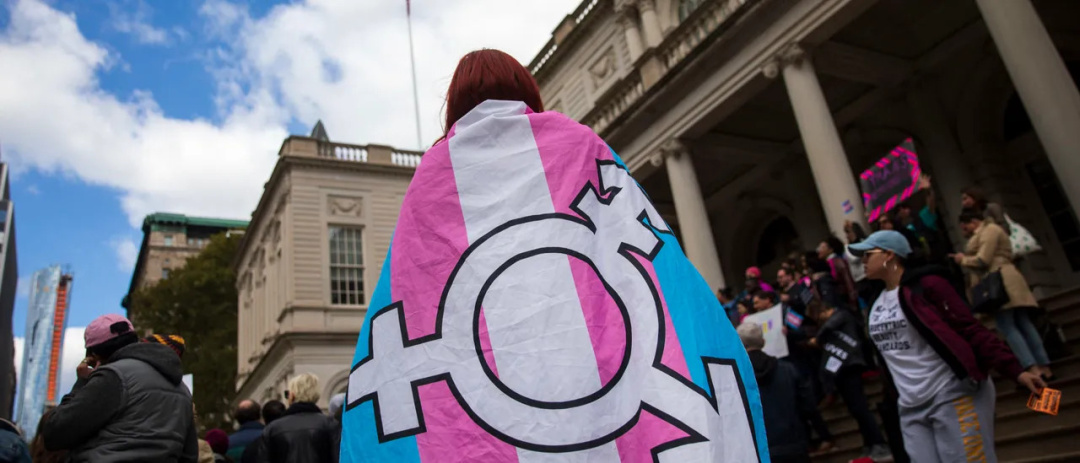
The Minnesota Supreme Court has ruled unanimously that USA Powerlifting's policy, which barred a male athlete claiming to be female from competing in the women's division, constitutes discrimination. The case centers around JayCee Cooper, a transgender athlete who sued the organization after his application to compete in the women's division was rejected in 2018. Cooper argued that USA Powerlifting violated Minnesota's Human Rights Act by engaging in discriminatory practices.
The court's decision, delivered by a seven-member bench entirely composed of justices appointed by Democrats, stated, "We agree with Cooper that USA Powerlifting’s policy is discriminatory on its face; there is therefore no genuine dispute that USA Powerlifting discriminated against Cooper because of her transgender status." This ruling marks a significant moment in the ongoing debate surrounding transgender participation in sports, particularly in categories segregated by gender.
For the Training Room
Sponsor press complete.
The dispute began when Cooper's application was turned down, leading to a complaint filed with the Minnesota Department of Human Rights. Former USA Powerlifting President Larry Maile expressed concerns in 2019 about the implications of allowing transgender women to compete, stating, "At some point, we are going to have to defend the biology and stand on women being a protected class, and it might as well start in Minnesota."
Initially, a trial court sided with Cooper, but the Minnesota Court of Appeals later returned the case to trial, citing unresolved factual issues regarding the reasons for USA Powerlifting's decision and whether they had a legitimate business rationale for their policy. Cooper subsequently appealed to the state’s highest court, which has now ruled in his favor.
Reactions to the Court's Landmark Decision
Jess Braverman, legal director at Gender Justice, which represents Cooper, hailed the ruling as a historic victory for fairness and equity, asserting that it sends a powerful message about the rights of transgender individuals to participate in public life without facing discrimination. In contrast, Republican Minnesota House Speaker Lisa Demuth criticized the decision as a setback for women's sports, indicating that GOP lawmakers plan to address this issue in the upcoming legislative session.
While the Supreme Court ruled that USA Powerlifting's policy is discriminatory, the legal battle is not over. The justices have remanded the case back to trial court to further explore whether USA Powerlifting can defend its policy based on claims that it aims to ensure fair competition opportunities for similarly situated athletes. The organization argues that there are legitimate business reasons for maintaining gender-based competition categories, particularly in powerlifting, where physiological differences may confer advantages.
Improve your workout
USA Powerlifting attorney Ansis Viksnins expressed confidence in their case, stating, "We are not in the business of speculating on legal outcomes but feel we have a compelling case to make on our inability to provide fair competition for our women athletes if USAPL is forced to include those born with male physiology."
The ruling adds to a growing list of legal and political challenges surrounding transgender participation in sports, a topic that has gained significant attention in recent years. As the landscape evolves, the implications for athletes, organizations, and policymakers will continue to unfold, shaping the future of competitive sports and inclusivity.