Varinder Singh Ghuman's Death Sparks Concerns Over Bodybuilding Health Risks

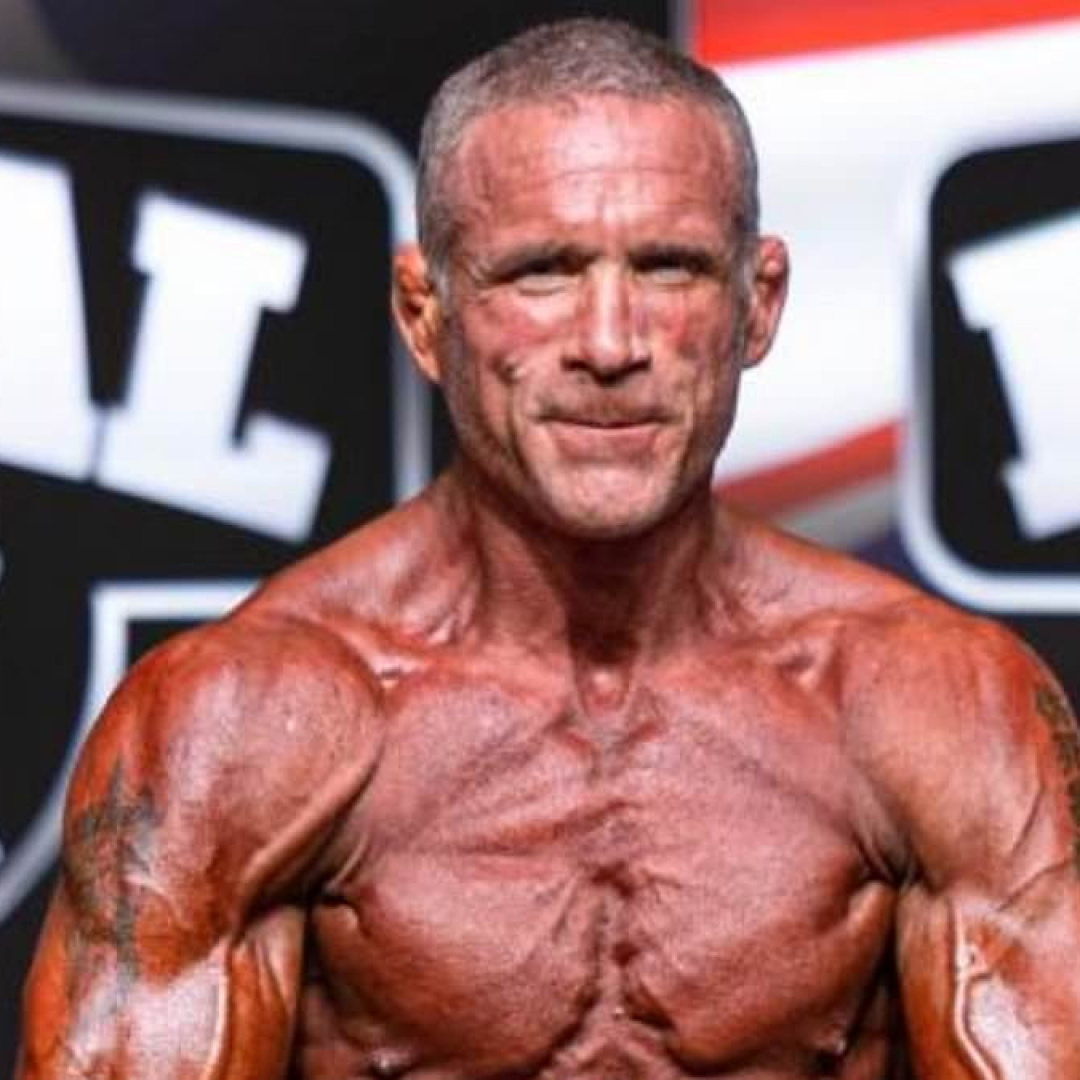
The bodybuilding world is mourning the loss of Varinder Singh Ghuman, a prominent figure known as India's Arnold Schwarzenegger. His death is part of a troubling trend, with several bodybuilders, some as young as 19, having died unexpectedly in recent years. Experts are sounding the alarm, suggesting that extreme training regimens, the use of performance-enhancing supplements, and potential steroid use are contributing to these tragic incidents.
Ghuman's legacy extends beyond his impressive physique; he was celebrated for being the world's first vegetarian bodybuilder. His commitment to fitness and health inspired many, but his untimely death highlights the darker side of the sport. The demands of bodybuilding often push athletes to their physical limits, leading to concerns about the long-term health effects of such intense training.
For the Training Room
Sponsor press complete.
As the community reflects on Ghuman's impact, experts are urging current and aspiring bodybuilders to prioritize their health alongside their ambitions. The sport's culture often glorifies extreme measures for peak performance, but this can come at a significant cost. The recent fatalities serve as a stark reminder that the pursuit of excellence in bodybuilding must be balanced with a focus on well-being.
Promoting Health and Safety in Bodybuilding
In light of these events, discussions surrounding health and safety in bodybuilding are more crucial than ever. Athletes are encouraged to seek guidance on safe training practices and to be mindful of the substances they use to enhance their performance. The bodybuilding community must foster an environment where health is prioritized, and athletes are educated about the risks associated with extreme training and supplementation.
Raising Awareness on Health Risks in Bodybuilding
The death of Varinder Singh Ghuman has sparked a broader conversation about the health risks associated with bodybuilding. Experts are advocating for a shift in mindset, emphasizing that while ambition and dedication are essential, they should not overshadow the importance of maintaining one's health. The community must work together to create awareness and support systems that prioritize safety and well-being for all athletes.
As we remember Ghuman's contributions to the sport, it is vital to reflect on the lessons learned from his passing. The bodybuilding community must unite to promote a culture of health, ensuring that future generations of athletes can pursue their dreams without compromising their well-being. By fostering a supportive environment and encouraging open discussions about health risks, the community can honor Ghuman's legacy while safeguarding the future of bodybuilding.