Bodybuilder Challenges BMI Assessment After Doctor's Visit

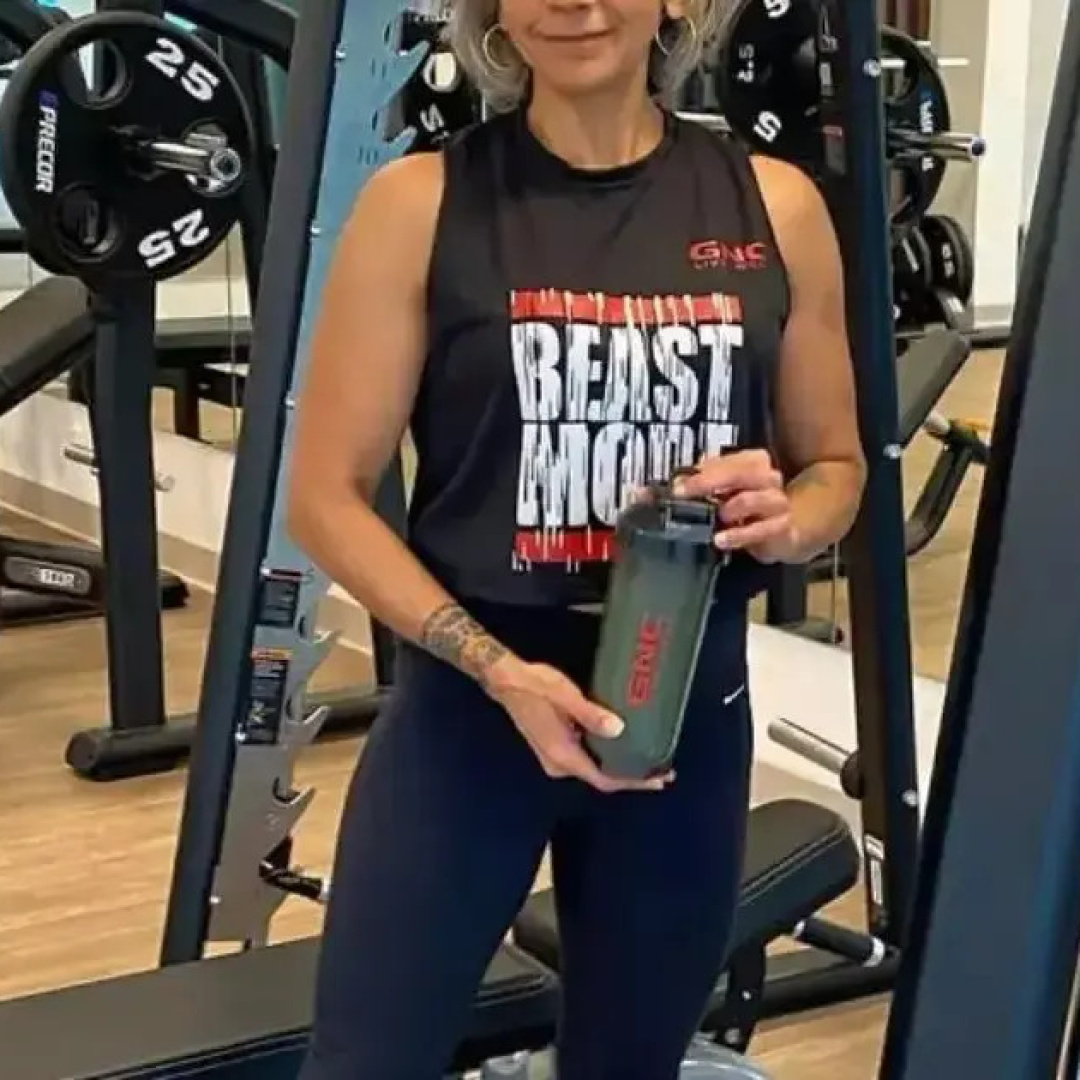
Emily, a TikTok creator and bodybuilder, recently shared her experience during a routine doctor's visit that has ignited a significant discussion regarding the Body Mass Index (BMI) as a health metric. Standing at 5'4" and weighing 165 pounds, Emily was taken aback when her doctor informed her that she was just '5 pounds away from being obese.' This comment, which she recounted in a viral video that has garnered over 3.6 million views, seemed to disregard her visibly muscular physique and training regimen.
In her video, Emily humorously remarked, "Medically obese might be taken seriously if the standards for it weren’t such a joke." She noted that the doctor did not inquire about her training routine or lifestyle, instead opting to recommend weight loss through increased activity and dietary modifications. This advice struck many viewers as disconnected from reality, particularly given Emily's evident fitness level.
For the Training Room
Sponsor press complete.
Emily included a photo in her video showcasing her toned physique, which further highlighted the incongruity between her doctor's assessment and her actual health status. The caption, "SOMEONE GET THIS GIRL A WEIGHT WATCHERS SUBSCRIPTION," added a humorous touch to her critique of the BMI system.
The incident has sparked broader conversations about the BMI, which was developed in the 1830s by Belgian mathematician Lambert Adolphe Jacques Quetelet. Critics argue that BMI is an outdated measure that fails to accurately reflect an individual's health, particularly for those with higher muscle mass. Oxford professor Nick Trefethen has pointed out that the formula does not account for differences in body composition based on height, leading to potential misclassifications of individuals' health.
Recent research suggests that waist circumference may serve as a more reliable indicator of health risks, such as type 2 diabetes, than BMI. A study from the Medical Research Council Epidemiology Unit in the U.K. found a strong correlation between waist size and diabetes risk, indicating that a simple tape measure could provide more relevant health insights than the BMI formula.
Reactions to BMI Critiques in Healthcare
Emily's video resonated with many viewers, prompting them to share their own experiences with healthcare professionals and BMI assessments. One viewer recounted a frustrating encounter with their OBGYN, who brought up BMI during a pregnancy appointment, while another shared a tragic story about a family member whose health concerns were dismissed due to weight loss recommendations.
The reactions to Emily's video reflect a growing awareness and frustration with how BMI is used in medical settings, particularly for those involved in strength training and bodybuilding. As the fitness community continues to evolve, discussions about more accurate and individualized health assessments are becoming increasingly important.
Get Buff
As athletes and fitness enthusiasts, bodybuilders like Emily are often judged by traditional metrics that may not accurately represent their health or fitness levels. This incident serves as a reminder of the need for healthcare providers to consider a more holistic approach when assessing health, particularly for individuals with significant muscle mass. The reliance on outdated formulas like BMI can lead to misunderstandings and miscommunications between patients and doctors, ultimately affecting the quality of care received.
In light of Emily's experience, it's essential for both athletes and healthcare professionals to engage in open dialogues about health assessments. By advocating for more accurate measurements and a better understanding of body composition, the fitness community can work towards ensuring that health evaluations are both fair and reflective of individual circumstances. As the conversation around BMI continues, it becomes clear that a more nuanced approach to health metrics is necessary for the diverse population of bodybuilders and strength athletes.