Creatine: A Game-Changer for Women's Health and Fitness
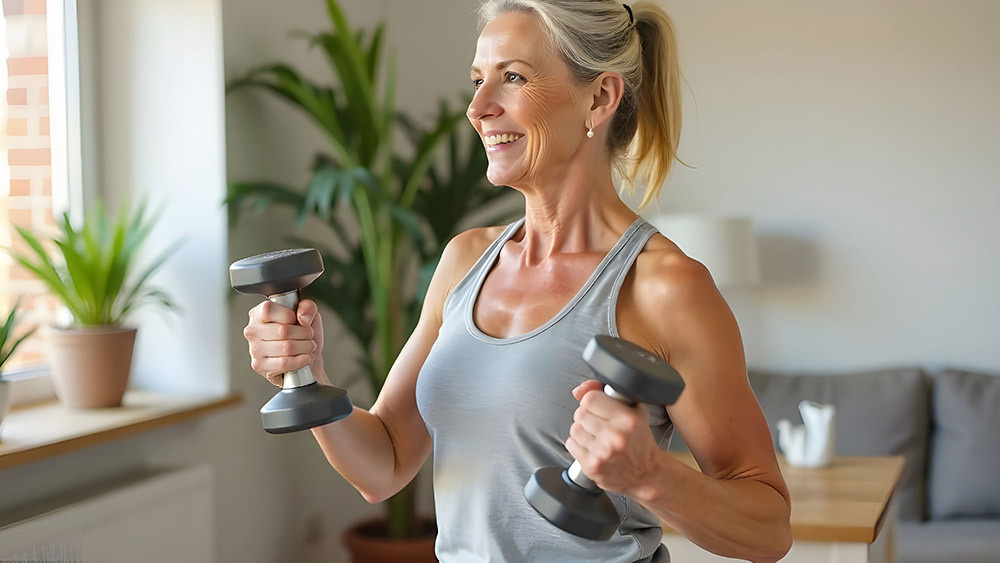
For decades, creatine has been predominantly linked to male athletes and muscle mass. However, recent research and targeted marketing are shifting this perception, highlighting how creatine can uniquely benefit women. Emerging studies suggest that creatine is not just a performance enhancer but may also serve as a low-cost ally for women's health throughout their lives, addressing issues from menstrual discomfort to menopause-related changes.
Creatine is a naturally occurring compound synthesized from amino acids, primarily found in protein-rich foods such as red meat and seafood. Its main function in the body is to facilitate the rapid production of energy, particularly during high-intensity activities like weightlifting or sprinting. Creatine acts as a reserve, helping to replenish adenosine triphosphate (ATP), which is essential for cellular energy. While the body typically produces and utilizes about 2-4 grams of creatine daily, dietary intake can vary significantly, especially for vegetarians and many women whose diets may lack sufficient creatine. Thus, supplementation becomes a reliable method to maintain optimal creatine levels.
For the Training Room
Sponsor press complete.
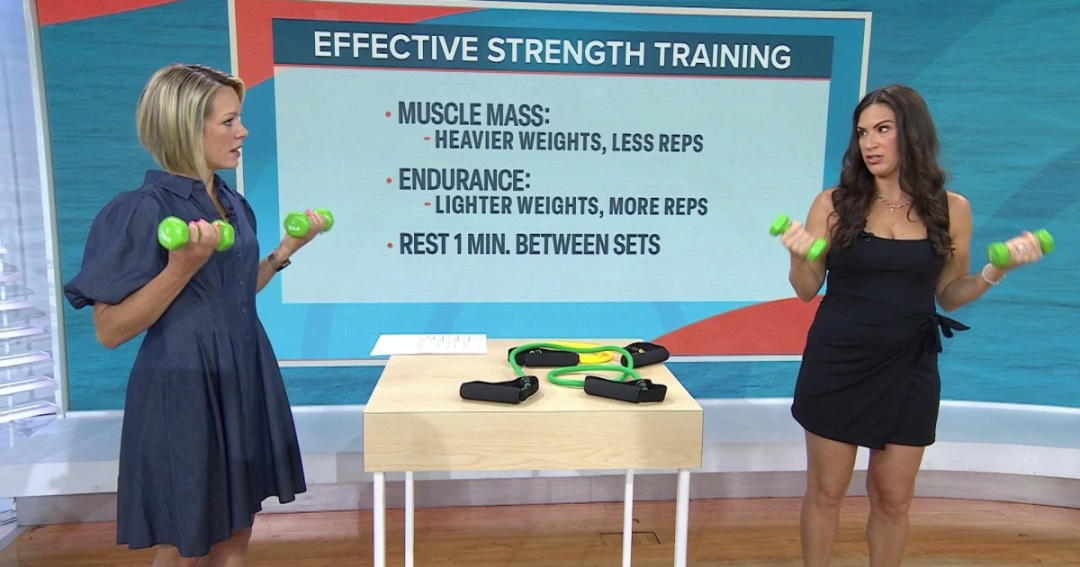
The ergogenic benefits of creatine are well-documented, particularly for women engaged in resistance or high-intensity interval training. Supplementing with 3-5 grams of creatine monohydrate daily can lead to observable improvements in strength and performance. Contrary to common misconceptions, creatine does not lead to a bulky physique in women; any initial weight gain is often due to water retention in muscle cells rather than fat accumulation. Instead, creatine supports the development of lean muscle, which can enhance metabolic rate and functional strength without drastically changing one's appearance.
Exploring Creatine's Broader Health Benefits
Recent research has begun to explore creatine's potential benefits beyond athletic performance, particularly in relation to female-specific health challenges. Hormonal fluctuations during the menstrual cycle, pregnancy, and menopause can significantly impact energy levels, cognitive function, and body composition. Preliminary findings suggest that creatine may help mitigate some of these effects, providing a supportive role in women's health.
Make it work for you
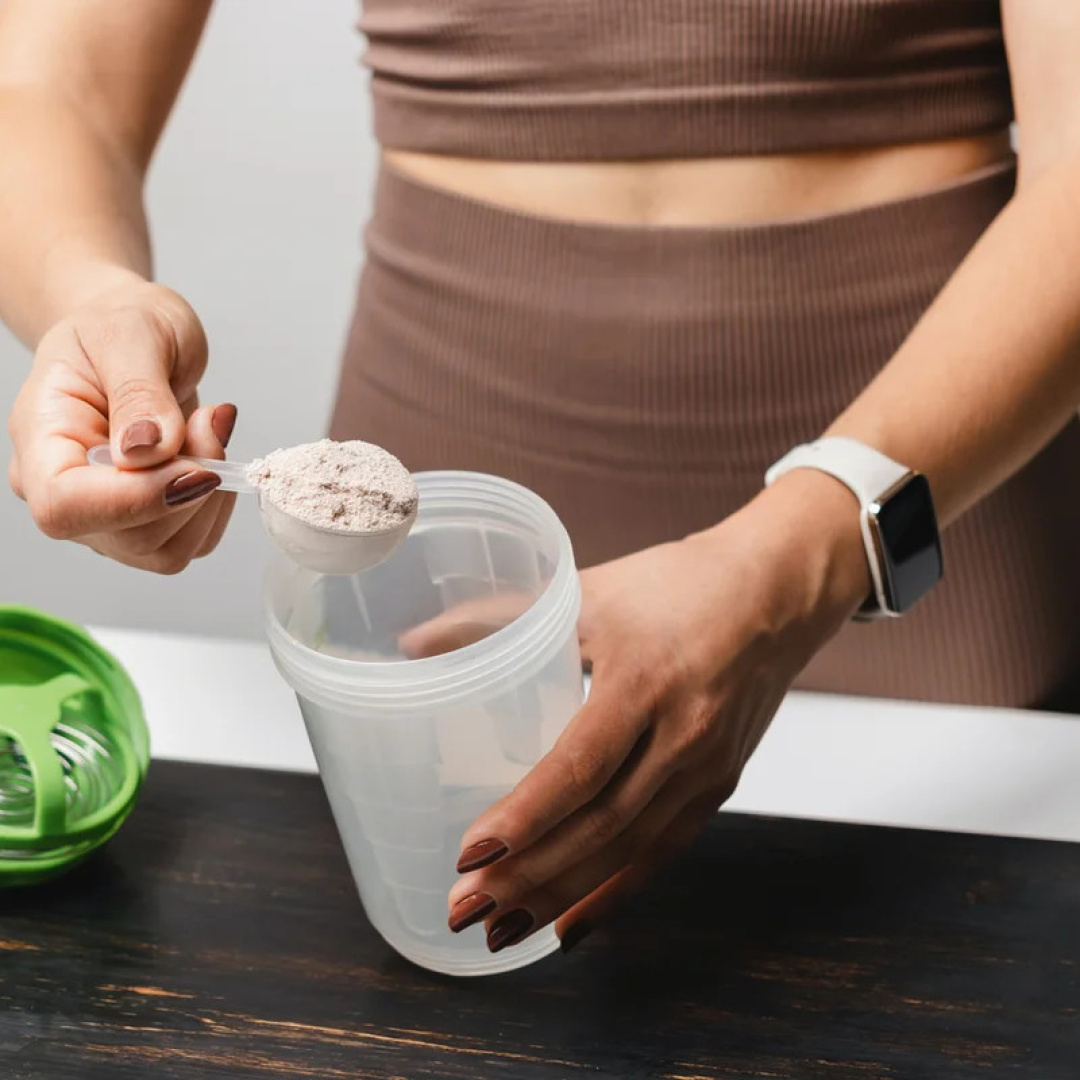
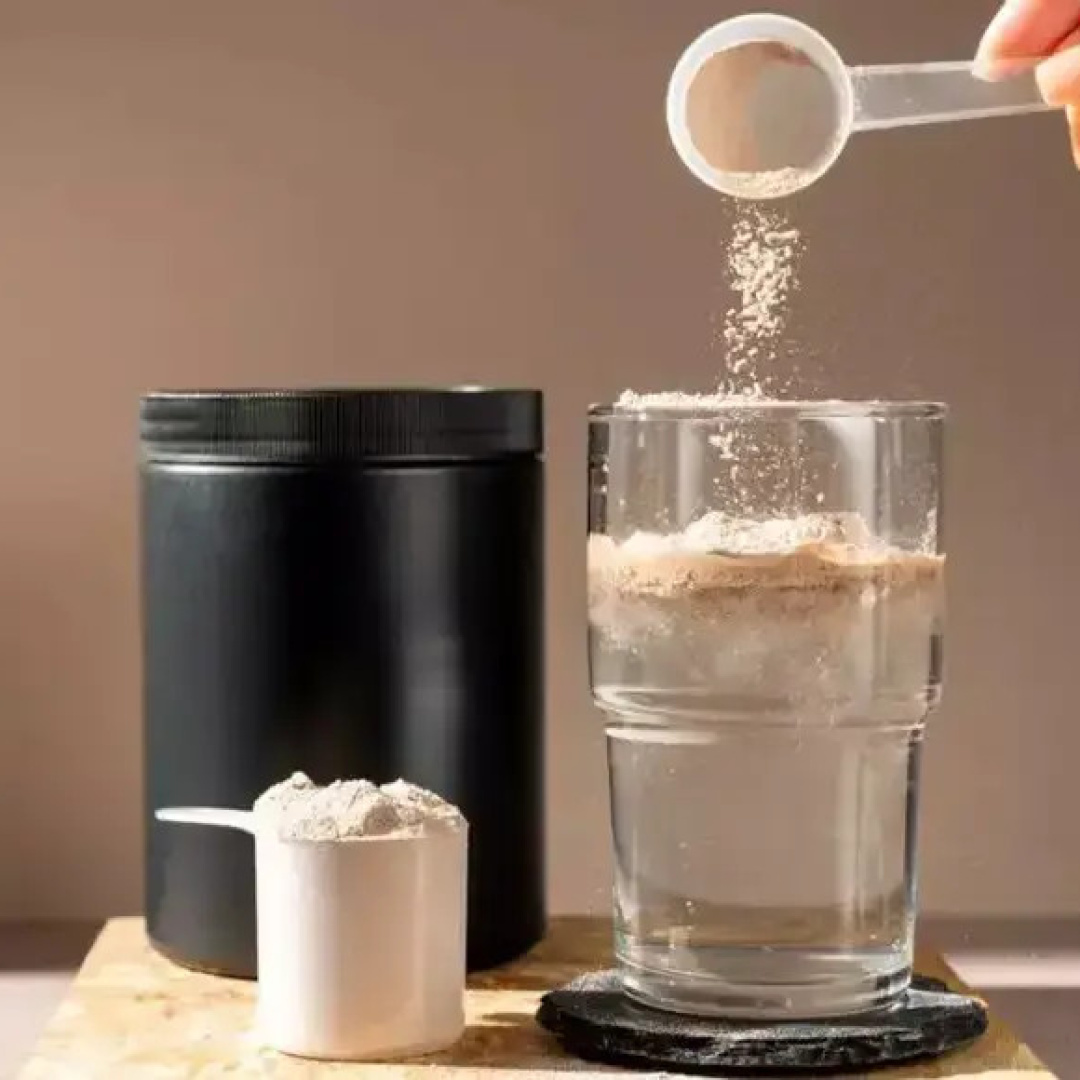
Creatine monohydrate remains the most researched and effective form of this supplement. For general health and fitness, a daily maintenance dose of 3-5 grams is considered safe and effective. While some may opt for a short-term loading phase of 20 grams per day for 5-7 days to quickly saturate muscle stores, this is not strictly necessary. Consistency in supplementation is more important than timing, although taking creatine with a meal containing carbohydrates or protein may enhance absorption. Staying well-hydrated is also recommended. While creatine is generally recognized as safe, women who are pregnant or breastfeeding should consult a healthcare professional before starting any supplementation regimen.
The evolving narrative surrounding creatine is part of a larger movement in health science, which recognizes that nutritional interventions can have gender-specific effects. Moving beyond its traditional role as a bodybuilding aid, creatine is increasingly viewed as a viable supplement for women looking to improve not only their workout results but also their overall health and well-being. This shift emphasizes the importance of resistance training for lifelong health and presents creatine as a straightforward, evidence-based tool to support these efforts. While further long-term and life-stage-specific research is needed, current findings provide a solid foundation for women to consider incorporating creatine into their health strategy, empowering them to train effectively and maintain resilience as they age.