Maximize Muscle Growth with Myo-Reps Training Technique
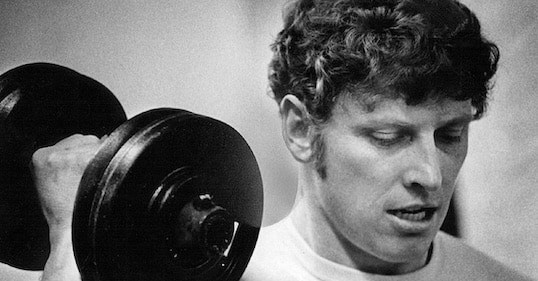
Myo-reps are quickly gaining popularity among bodybuilders and fitness enthusiasts as an effective way to enhance hypertrophy while saving time in the gym. Developed by Norwegian strength coach Børge Fagerli in the mid-2000s, this technique allows you to combine multiple sets into one extended set with minimal rest, making it a game-changer for those looking to maximize their muscle growth in less time.
The core of myo-reps involves performing an initial 'activation set' of 10-12 reps, stopping just short of failure. This is followed by short rest intervals of about 10-20 seconds, during which you can count your breaths to ensure you're ready for the next mini-set. After the rest, you perform 'mini-sets' of 4-5 reps, repeating this process until you can no longer complete at least four reps in a mini-set. This approach effectively compresses what would typically be several traditional sets into a much shorter workout duration.
For the Training Room
Sponsor press complete.
The benefits of myo-reps extend beyond just saving time. This technique allows lifters to focus on mechanical tension and metabolic stress, both crucial factors for muscle growth. Mechanical tension refers to the force generated by muscle fibers during contraction, which triggers the body to build new muscle. Myo-reps help target fast-twitch muscle fibers more effectively than traditional sets, as they eliminate the warm-up phase after the activation set. This means that nearly every rep in your mini-sets counts as an effective rep, maximizing your training efficiency.
Additionally, the short rest periods associated with myo-reps create a unique metabolic environment that can enhance muscle pump and growth. By training close to failure with lighter weights, myo-reps also reduce the strain on joints, making this technique a safer alternative for accessory work. However, it's essential to note that myo-reps are not suitable for all lifts. Exercises requiring high stabilization, such as heavy barbell squats and Olympic lifts, should be avoided when using this method.
Instead, focus on machine-based or dumbbell movements where form can be maintained even as fatigue sets in. Great options for myo-reps include machine chest presses, lat pulldowns, and dumbbell shoulder presses. Incorporating myo-reps into your routine can break the monotony of traditional workouts and keep your training fresh and exciting.
Implementing Myo-Reps for Optimal Results
To effectively implement myo-reps, choose two to three accessory exercises per workout, especially during the latter half of your session. For instance, after completing your main lift, such as the bench press, you might follow up with dumbbell shoulder presses and lateral raises as myo-reps. Track your progress by noting the number of mini-sets you can complete and adjust your weights accordingly to ensure continued progress.
In summary, myo-reps offer a practical solution for those looking to build muscle efficiently without spending excessive time in the gym. By focusing on effective reps and reducing workout duration, this technique can help you achieve your bodybuilding goals while keeping your training varied and engaging.
Improve Your Workout
If you're ready to give myo-reps a try, start by integrating them into your accessory work. Aim to hit each muscle group 2-3 times a week, but be cautious not to overdo it. Remember, myo-reps are an intensity technique and shouldn't replace every set in your routine. By strategically using myo-reps, you can enhance your muscle-building efforts and enjoy a more efficient workout experience.
As you explore the potential of myo-reps, keep in mind that they are best used alongside traditional strength training methods. Maintain your heavy compound lifts as straight sets to ensure you have the energy and focus required for maximum effort. By balancing myo-reps with your regular training regimen, you can develop a well-rounded approach to hypertrophy that not only saves time but also yields impressive results.