Alaska Pollock Protein: A Promising Source for Muscle Growth
Alaska pollock protein (APP) has emerged as a noteworthy dietary source for promoting skeletal muscle hypertrophy, particularly targeting fast-twitch muscle fibers. Recent findings indicate that the consumption of APP significantly enhances the hypertrophy of C2C12 myotubes, a type of muscle cell, especially when plasma is collected shortly after intake. Specifically, plasma samples taken 90 minutes post-APP consumption showed marked increases in muscle contractility and hypertrophy, suggesting that APP may play a crucial role in muscle development and metabolic regulation.
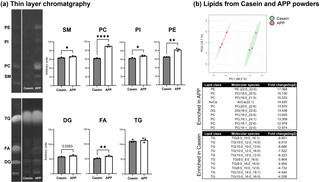
The study utilized a time-controlled feeding model to investigate the effects of APP on muscle growth. Researchers noted a significant elevation in glucagon-like peptide-1 levels after APP intake, which may indicate the involvement of specific circulating factors linked to the protein's consumption. Additionally, proteomic and lipidomic analyses revealed that APP intake led to a notable remodeling of lipid metabolism within skeletal muscle, including a striking 127% increase in docosahexaenoic acid (DHA)-containing phospholipids in hypertrophied fast-twitch fibers. This metabolic shift bears resemblance to adaptations typically seen with endurance training, highlighting the multifaceted benefits of APP.
For the Training Room
Sponsor press complete.
Despite APP containing only trace amounts of DHA, the protein's overall impact on muscle growth appears to be more significant than previously understood. The research suggests that APP primarily functions as a high-quality protein source that not only promotes anabolic responses in muscle but also influences lipid metabolic pathways, potentially creating a favorable environment for muscle hypertrophy and overall metabolic health. This is particularly relevant for athletes and bodybuilders who are constantly seeking effective nutritional strategies to enhance performance and recovery.
The implications of these findings are substantial, especially considering the critical role of dietary proteins in supporting muscle mass and function. Adequate protein intake is essential for muscle protein synthesis, which is vital for preventing conditions like sarcopenia and maintaining overall health. Given that fish protein, particularly from Alaska pollock, is widely consumed, these insights could encourage athletes and fitness enthusiasts to incorporate APP into their diets to maximize muscle-building potential.
Understanding the Role of Dietary Protein
As the research emphasizes, the anabolic effects of dietary proteins are often attributed to their amino acid composition, particularly essential amino acids like leucine, which activates the mechanistic target of rapamycin (mTOR) signaling pathway to stimulate muscle protein synthesis. However, the study on APP suggests that other bioactive components may also play a role in muscle metabolism. This highlights the importance of not only the quantity of protein consumed but also the quality and the specific sources from which it is derived.
Incorporating high-quality proteins like APP could provide athletes with a competitive edge in their training regimens. As the findings continue to unfold, the potential for APP as a staple in sports nutrition becomes increasingly clear. Its unique properties may offer advantages not just in muscle growth but also in enhancing recovery and metabolic health, making it a valuable addition to the diets of serious lifters and bodybuilders alike.
Improve Your Workout
In conclusion, the exploration of Alaska pollock protein's effects on muscle hypertrophy opens new avenues for dietary strategies in strength training and bodybuilding. As athletes strive for optimal performance, understanding and utilizing effective protein sources like APP can significantly impact their training outcomes. By integrating such high-quality proteins into their nutrition plans, bodybuilders can enhance their muscle-building efforts while also supporting overall metabolic health. This research underscores the need for continued investigation into the benefits of various dietary proteins, ensuring that athletes have access to the best possible nutrition for their training goals.