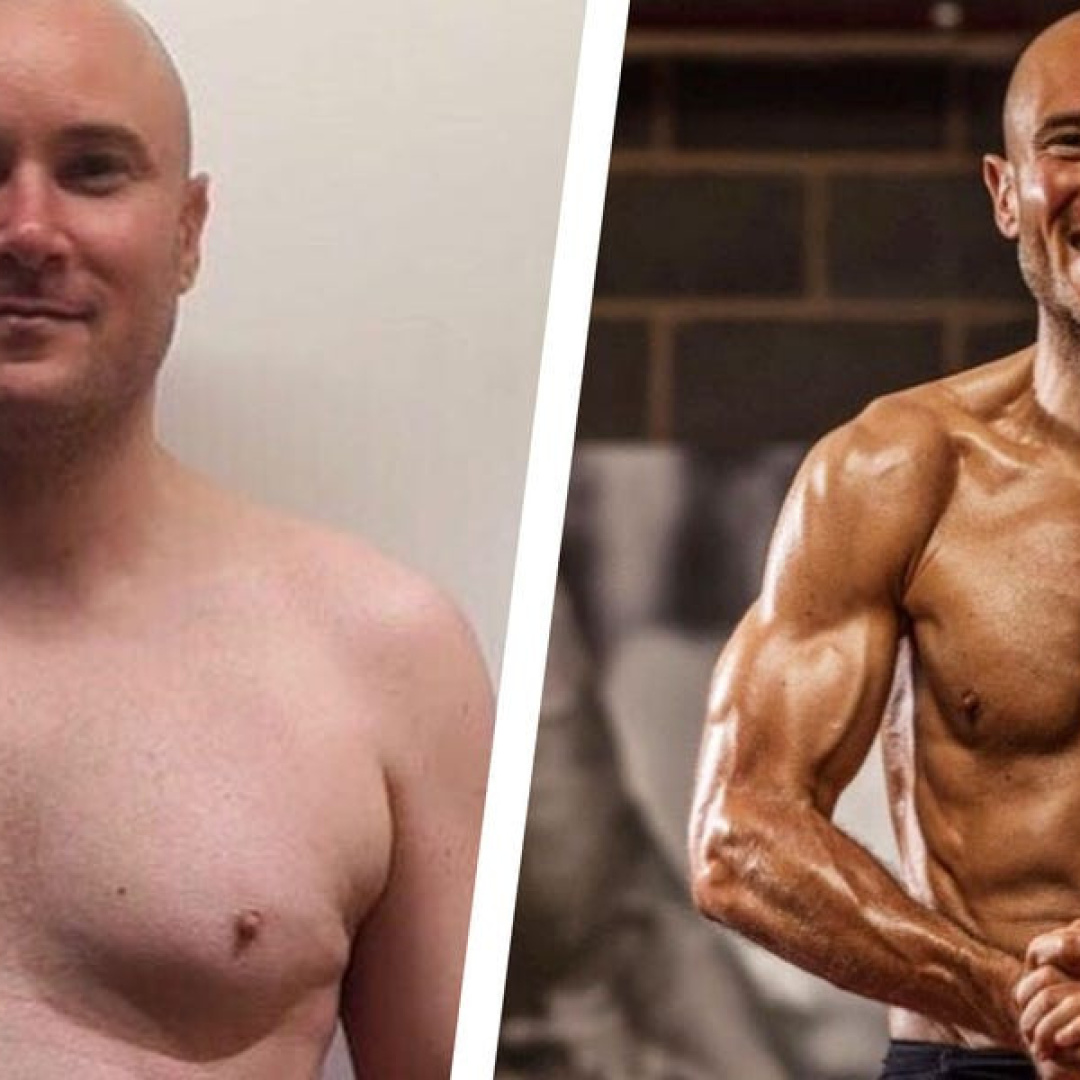
Jeff Nippard's Budget Training Experiment: Does Money Matter?

In a recent experiment, bodybuilder and YouTuber Jeff Nippard explored the impact of budget on training effectiveness. He dedicated two days to training, each with a vastly different financial approach. On the first day, Nippard operated under a strict budget of just $10, which he allocated for all his training-related expenses, including meals, gym fees, and supplements. Remarkably, he managed to stay under budget, spending only about nine dollars to meet his needs for the day.
On the second day, however, Nippard significantly increased his budget to $10,000. This allowed him to hire a personal chef, who prepared gourmet meals, and a high-end personal trainer, while also utilizing luxury recovery treatments like sensory deprivation float chambers. Despite this lavish spending, he ended up using only around $6,000 of his budget.
For the Training Room
Sponsor press complete.
The core question Nippard posed was whether the quality of training and results differed significantly between the two days. Surprisingly, the answer was not much. Although the high-budget day featured a personal chef and a trainer, the nutritional value of the meals was not superior to those he prepared on the low-budget day. The incremental improvements he gained from the expensive coaching were marginal, suggesting that spending significantly more money did not translate into proportionally better results.
Understanding Diminishing Returns in Training
This experiment underscores an important economic principle: the concept of diminishing marginal returns. In bodybuilding, while a nutrient-rich diet can be achieved at a low cost, increasing the budget does not necessarily yield a corresponding increase in performance or health benefits. Nippard's findings suggest that for most individuals, the difference in training quality between a minimal and a maximal budget is minimal, especially when basic principles of nutrition and training are applied effectively.
Improve your workout
However, the implications of this experiment raise further questions about the value of high spending in competitive environments. For elite athletes, a 10% improvement in performance could be the difference between winning and losing. Thus, while the average bodybuilder may not find it necessary to invest heavily, those at the top of their sport might justify the expense for marginal gains.
Ultimately, this experiment serves as a reminder to evaluate the worth of investments in training and nutrition based on individual goals. Not everyone needs to spend extravagantly to achieve their fitness aspirations, and understanding the economics of exercise can help athletes make informed decisions about where to allocate their resources.