Traditional Chinese Exercises Show Promise for Musculoskeletal Health
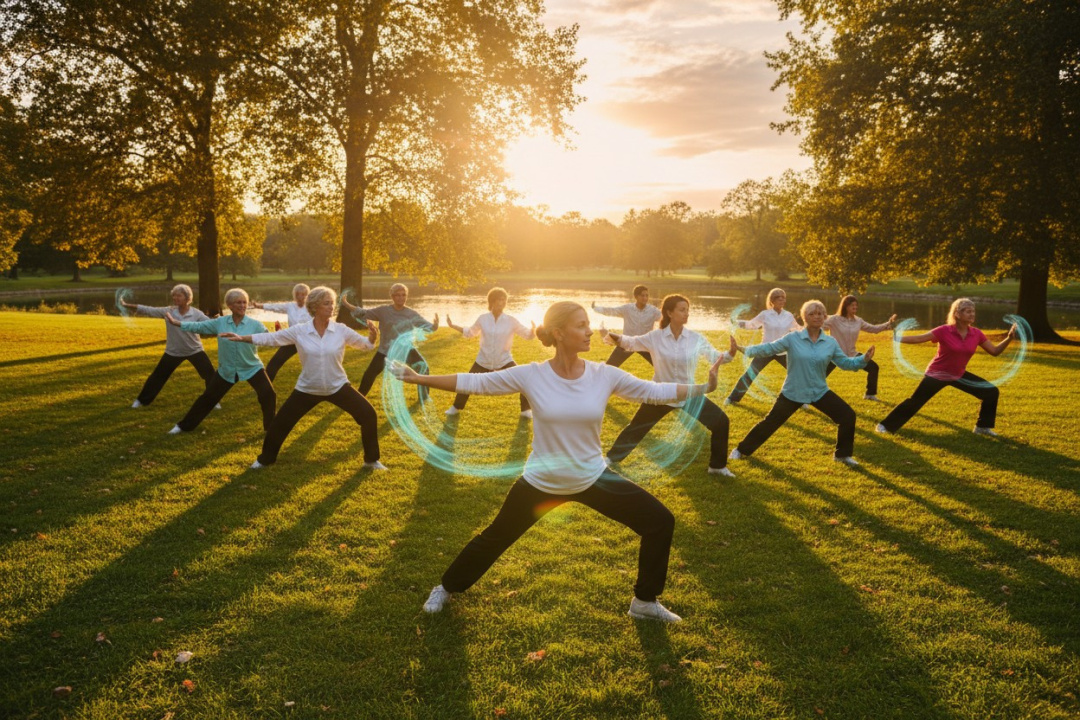
A recent umbrella review published in the British Journal of Sports Medicine has revealed significant benefits of traditional Chinese exercises for individuals suffering from various musculoskeletal conditions. Conducted by researchers from hospitals and universities in China, this review is noted as the largest of its kind, synthesizing data from 1,744 randomized controlled clinical trials across 92 data syntheses. The exercises examined include tai chi, qigong, baduanjin, wuqinxi, and yijinjing.
The findings indicate high-certainty evidence supporting the effectiveness of these exercises in enhancing physical function, alleviating pain, and improving mental health and sleep quality among those with musculoskeletal disorders. Specifically, the review highlighted improvements in movement for patients with knee osteoarthritis, mental health benefits for those experiencing neck pain, and enhanced sleep quality for individuals with fibromyalgia. The researchers emphasized that tai chi, in particular, has been effective in reducing chronic musculoskeletal pain and stiffness, while also increasing bone mineral density in participants diagnosed with osteopenia or osteoporosis.
For the Training Room
Sponsor press complete.
Consistency is Key for Maximum Benefits
Optimal results were observed when these exercises were performed consistently for longer than six months, with a frequency of at least three times a week, totaling a minimum of 150 minutes per week. This structured approach to exercise not only aids in physical recovery but also contributes to overall well-being. A separate study from 2025 by the Beijing University of Chinese Medicine corroborated these findings, suggesting that gentle exercises can enhance sleep quality comparably to medication or therapy for insomnia.
Improve your workout
The implications of this review are significant, particularly in light of the growing global population and the increasing prevalence of musculoskeletal conditions. The researchers advocate for the integration of traditional Chinese exercises into clinical guidelines and rehabilitation programs worldwide, as they represent a safe, accessible, and cost-effective strategy that can complement conventional therapies. With estimates indicating that 20.9% of adults experience chronic pain, these exercises could also play a crucial role in reducing reliance on pharmaceuticals and empowering patients to manage their health proactively.
The umbrella review provides a robust synthesis of evidence supporting the incorporation of traditional Chinese exercises into treatment plans for musculoskeletal conditions, emphasizing their potential to improve key health outcomes such as physical function, mental health, sleep quality, and bone density. As the study suggests, promoting these exercises within community and primary care settings could be a vital component of public health initiatives aimed at healthy aging and chronic disease prevention.