Protein Alone Won't Build Muscle: The Role of Creatine and Recovery
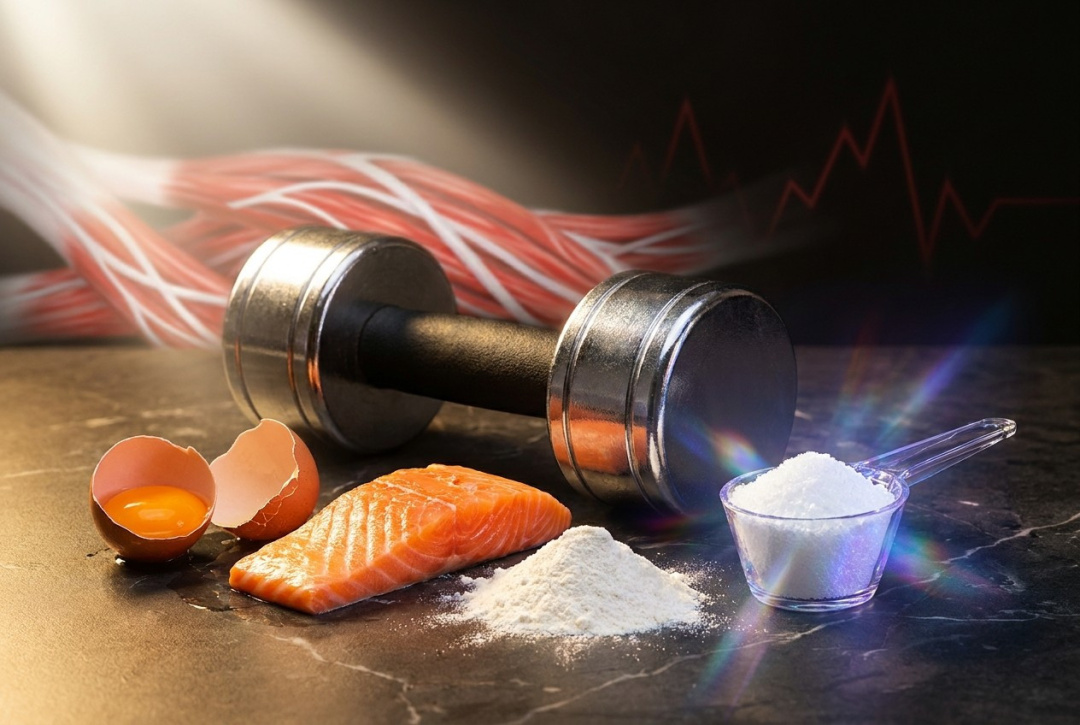
A recent report emphasizes that simply consuming enough protein does not guarantee muscle growth. According to registered dietitian nutritionist Molly Knudsen, published on November 10, 2026, consistent resistance training, adequate recovery, and creatine supplementation are critical components that influence muscle development. While protein intake is essential, it should not be the sole focus for those looking to enhance their muscle mass.
Research suggests that approximately 0.73 grams of protein per pound of body weight is sufficient to maximize muscle protein synthesis. However, many experts advocate for a higher intake of up to 1 gram per pound of body weight daily to optimize results. This highlights the need for athletes and fitness enthusiasts to prioritize their protein consumption while also considering other factors that contribute to muscle growth.
For the Training Room
Sponsor press complete.
Creatine, a naturally occurring compound made from three amino acids, has been highlighted as a significant factor in enhancing muscle mass and strength during resistance training. It is widely used as a dietary supplement, particularly among athletes. A report from Canada’s McGill University Office for Science and Society notes that the amino acids necessary for muscle building can be easily obtained from dietary proteins, reinforcing the idea that nutrition plays a vital role in muscle health.
Protein Quality and Stress Factors in Muscle Growth
Additionally, the International Society of Sports Nutrition has published guidelines on quality protein sources, such as whey and casein, which can further support muscle growth when combined with resistance training. Furthermore, a study published on July 28, 2026, suggests that elevated cortisol levels due to chronic stress can hinder progress, even for those who maintain a consistent training schedule and adequate protein intake.
Get buff
The importance of creatine supplementation is underscored by findings from a 12-week trial that demonstrated improvements in lean mass and strength among sedentary middle-aged adults who took 10 grams per day without engaging in exercise. This suggests that creatine can enhance ATP production, which is crucial for energy during workouts. It can be sourced from high-protein foods like fish and beef, with about 95% of the body’s creatine stored in skeletal muscle.
In conclusion, while adequate protein intake is foundational for building muscle, it is essential to recognize that consistent resistance training, proper recovery, and the strategic use of creatine supplementation can significantly enhance workout effectiveness and muscle growth outcomes. This holistic approach is vital for anyone serious about their strength training journey.