Understanding Sarcopenia: The Hidden Muscle Loss as You Age

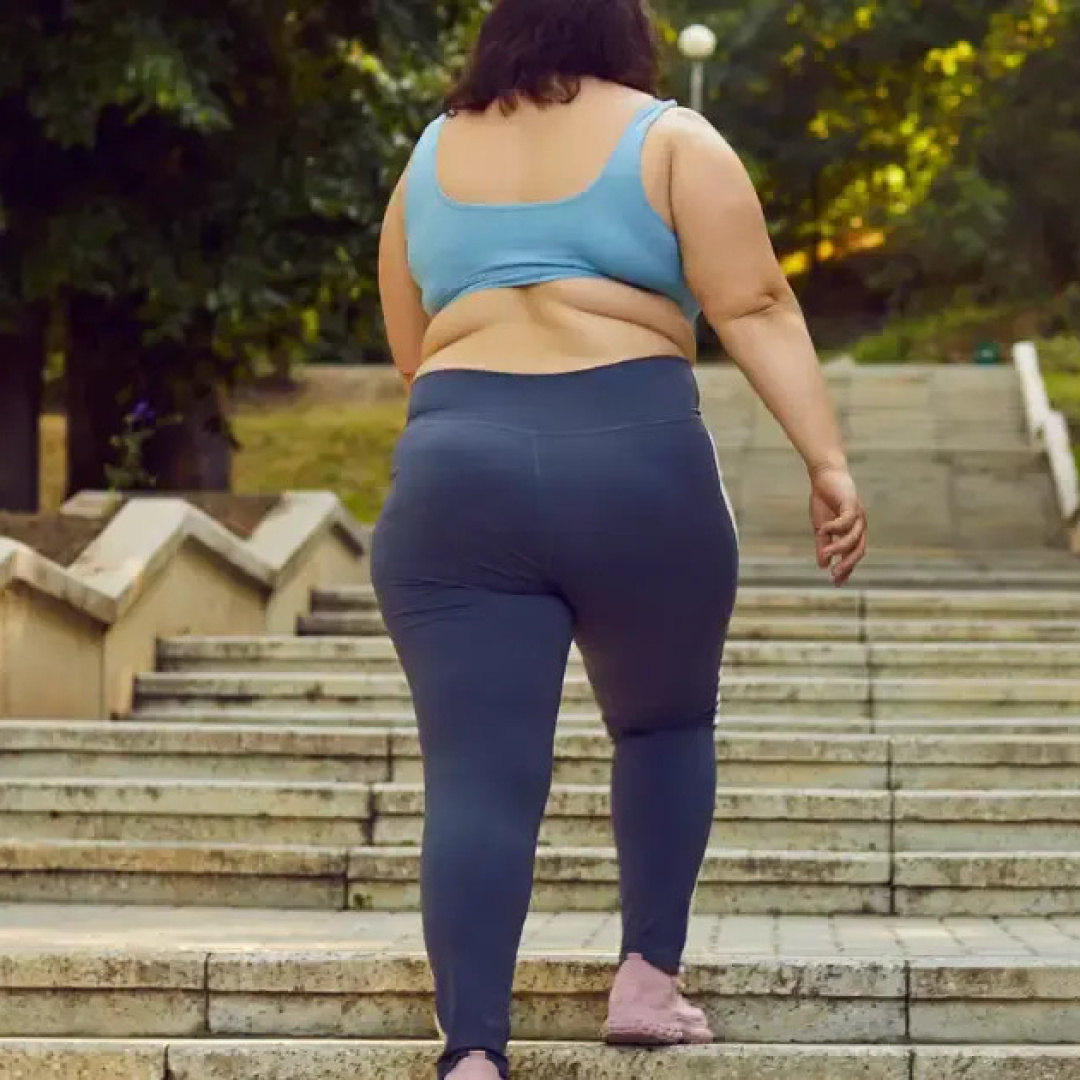
As we age, the reality of muscle loss can creep up on us, often without noticeable signs. Sarcopenia, the medical term for age-related muscle loss, affects many individuals, particularly those over the age of 40. Research indicates that after this age, adults can lose up to 8 percent of their muscle mass per decade. This decline is not just a concern for bodybuilders or fitness enthusiasts; it impacts everyday activities like standing up, climbing stairs, and carrying groceries.
The body’s ability to build and repair muscle diminishes due to several factors, including changes in muscle protein synthesis, hormonal declines, and reduced physical activity. Clinical Associate Professor Frederick Koh from Sengkang General Hospital explains that as muscle fibers shrink and are lost, fat may accumulate within and around the muscles, further degrading muscle quality. Notably, this muscle loss is often undetectable until it reaches advanced stages, making awareness and early detection crucial.
For the Training Room
Sponsor press complete.
Statistics reveal that approximately one in three adults aged 60 and above may be affected by sarcopenia. However, the onset can begin much earlier, with studies showing that adults in their 30s can lose 3 to 5 percent of their muscle mass per decade. In fact, a large-scale study in Singapore found that about 25 percent of adults under 39 years old exhibited signs of sarcopenia, indicating that this condition is not solely a concern for older populations.
Men may experience higher rates of sarcopenia than women, which contrasts with findings from other international studies. This discrepancy highlights the need for more targeted research within specific populations, such as the Asian demographic, which may have different body composition profiles. The Project MAGNET initiative, spearheaded by Duke-NUS Medical School and SingHealth, is currently investigating these aspects to develop better diagnostic criteria for sarcopenia.
The Importance of Early Detection
Detecting sarcopenia early is vital. Clinics often utilize the Short Physical Performance Battery (SPPB), which assesses balance, gait speed, and chair rise ability. Additionally, hospitals may offer body composition tests like DEXA (Dual-energy X-ray Absorptiometry) and handgrip strength tests to evaluate muscle health. The SARC-F questionnaire is also employed to identify individuals at high risk of sarcopenia, with a score of four or more indicating a need for further assessment.
As muscle loss accelerates after age 60, it is recommended that individuals, particularly those with chronic diseases or recurrent falls, be screened for sarcopenia. Signs to watch for include weakness, difficulty carrying loads, and challenges with mobility. Experts suggest that individuals should consider discussing muscle health assessments as early as 50 years old, given the rapid decline in muscle mass that can occur after this age.
Research indicates that strength training can indeed help combat the effects of sarcopenia. Although the muscle-building process may be less efficient for those already experiencing muscle loss, resistance exercise combined with adequate nutrition, particularly protein intake, can improve muscle strength and physical function. While it may not fully restore lost muscle mass, these interventions can enhance the body's ability to utilize existing muscle and improve resilience during periods of stress.
Strategies to Combat Muscle Loss
Maintaining muscle health should be viewed as essential as monitoring other health indicators like blood pressure or bone density. Regular assessments and proactive measures can help mitigate the risks associated with sarcopenia. Strength training, alongside a balanced diet rich in protein and essential nutrients, plays a crucial role in preserving muscle mass and function. As the understanding of sarcopenia evolves, so too does the emphasis on early detection and intervention, ensuring that muscle health remains a priority for aging populations.