Creatine and Strength Training: A New Approach for Perimenopausal Women

New research suggests that creatine, often associated with bodybuilding, may offer significant benefits to women facing brain fog and muscle loss during perimenopause. This finding comes at a time when many women are seeking effective solutions to these common midlife challenges.
For years, societal perceptions have tied muscle development primarily to aesthetics. However, a growing body of evidence, including insights from board-certified OB-GYN Dr. Jila Senemar, indicates that strength training could be a vital tool for women to safeguard their brain health, bone density, and overall well-being as they age. Notably, creatine, a well-researched supplement, may enhance the effectiveness of strength training.
For the Training Room
Sponsor press complete.
A widely cited review from 2021 estimated that women store up to 80 percent less creatine than men, largely due to having less muscle mass and consuming 30 to 40 percent less creatine through diet. This disparity is crucial because creatine is essential for cellular energy production, not only in muscles but also in the brain. Even regular meat eaters often reach only 60 to 80 percent of their muscle creatine storage capacity, and supplementation can boost these levels by 20 to 40 percent.
A recent study published on October 24 in the European Journal of Applied Physiology involved 51 perimenopausal women, most of whom engaged in six weeks of high-intensity resistance training. Those who supplemented with creatine demonstrated improved prefrontal cortex oxygenation during cognitive tasks and reported a 7.4 percentage point increase in sleep consistency as tracked by wearable devices compared to those taking a placebo. Additionally, participants taking creatine experienced fewer days of temperature sensitivity.
However, cognitive test results showed that reaction times improved across all groups, indicating that creatine did not confer a specific advantage in this area. The authors of the study labeled their analysis as exploratory, and some have affiliations with creatine manufacturers and wearable technology companies.
Dr. Senemar emphasizes the role of skeletal muscle as an endocrine organ, releasing myokines that communicate with other tissues, including the brain. This connection is particularly significant during perimenopause, when fluctuating estrogen levels can impact brain signaling and energy utilization. This relationship may help explain why resistance training is linked to improved executive function and cognitive abilities in older adults. Furthermore, exercise can enhance levels of brain-derived neurotrophic factor, a protein crucial for learning and neuronal adaptation, with creatine potentially amplifying these effects by aiding the brain's energy regeneration.
Understanding Creatine Dosage and Safety
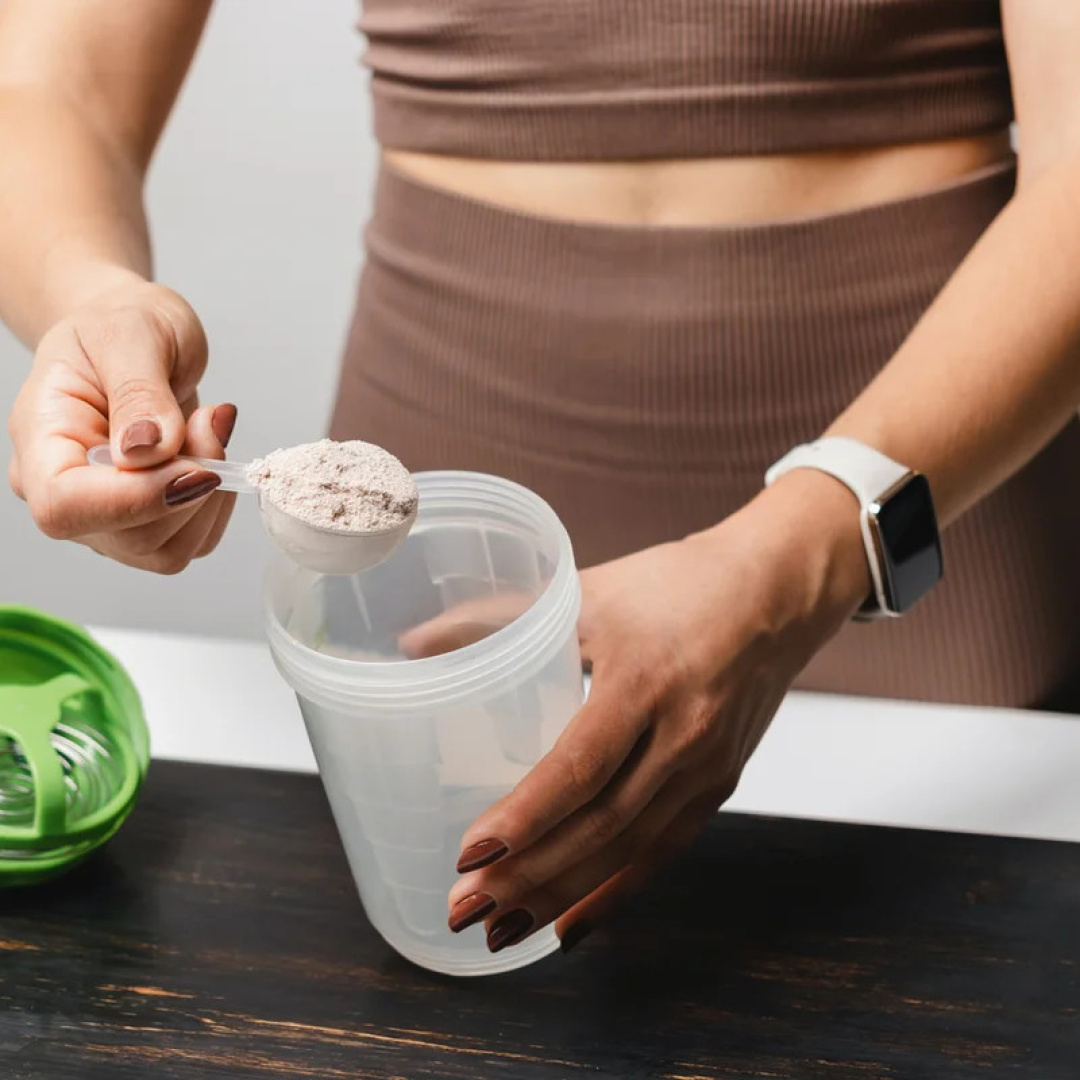
The recommended daily dose of creatine for adults is between 3 to 5 grams of creatine monohydrate. A systematic review of 29 trials involving women found no serious adverse events and no significant changes in kidney or liver function markers compared to placebo. However, women with existing kidney issues or those who are pregnant or breastfeeding should consult a healthcare provider before starting supplementation. It's also worth noting that creatine can elevate creatinine levels, which may influence routine kidney test results.
For women concerned about bone density, research findings are mixed. A smaller study indicated that postmenopausal women who engaged in resistance training while taking creatine experienced less bone loss in the hip compared to those on placebo. In contrast, a 2026 meta-analysis found no overall improvement in bone density from creatine supplementation.
This study emerges during a period when women have been historically underrepresented in creatine research, with only about 9 percent of studies focusing solely on women, according to a 2020 review. However, this trend is beginning to change.
Improve your workout
Dr. Senemar underscores the importance of maintaining brain health during midlife, emphasizing that it is as much about current functionality and well-being as it is about preventing future diseases. She advocates for a multifaceted approach that includes resistance training, adequate protein intake, sleep optimization, and stress management, with creatine serving as a promising supplement that still requires further investigation specific to perimenopausal women.
The takeaway for women navigating the complexities of midlife is that solutions to brain fog and muscle loss may not lie in pharmaceuticals, but rather in the weight room and a scoop of creatine, a supplement that is finally receiving the recognition it deserves.