Weightlifting Techniques to Enhance Mobility for Older Adults
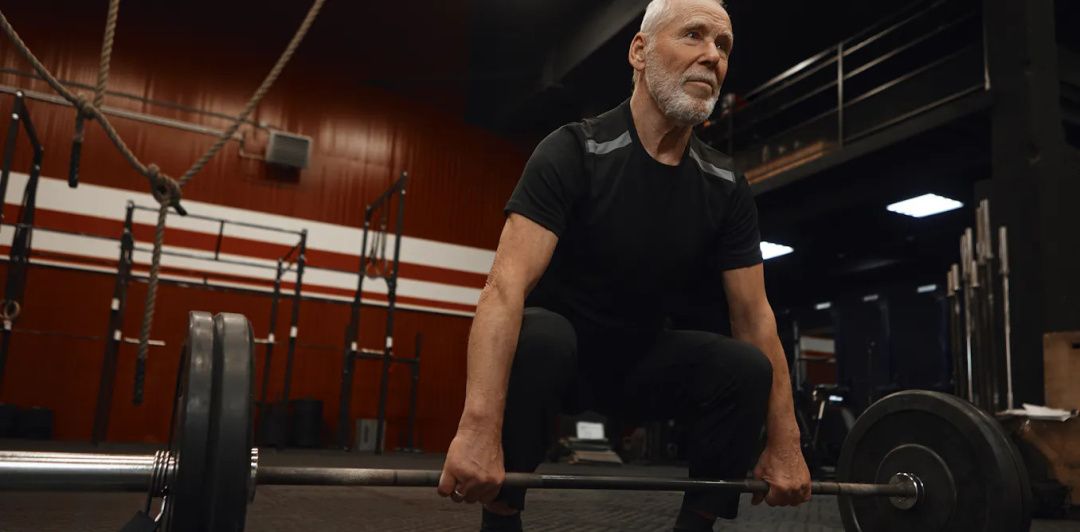
For individuals over 60 who have ventured into weightlifting, the common advice is often to lift weights slowly and with control. While this approach is rooted in safety, recent insights suggest that lifting with speed may actually be more beneficial for maintaining fitness and mobility in older adults.
Weightlifting is typically associated with building muscle and strength, but it also plays a critical role in developing muscle power—the ability of muscles to produce force quickly. This aspect of fitness tends to decline more rapidly than strength as we age, which can significantly affect daily activities. For instance, tasks such as climbing stairs or quickly crossing the street rely heavily on muscle power.
For the Training Room
Sponsor press complete.
Research indicates that muscle power is more closely linked to mobility than sheer strength. A study involving 839 older adults in Italy found that those with lower leg power were two to three times more likely to experience mobility limitations compared to those with lower strength. Furthermore, muscle power is crucial for fall prevention. When an older adult trips, the ability to push off quickly with their standing leg can mean the difference between a safe recovery and a fall.
In another study of 94 older adults, researchers found that those who had fallen in the past year had similar knee strength to those who had not, but significantly lower leg power. This correlation suggests that enhancing muscle power could be a key factor in reducing fall risks, although the study could not definitively establish causation.
Fortunately, training can effectively counteract the decline in muscle power. A small pilot study demonstrated that 16 weeks of leg strength training improved participants' ability to push off with their legs, leading to better responses to trips. However, to effectively build muscle power, adjustments to lifting techniques are necessary.
Shifting Focus: Power vs. Strength Training
Traditional strength training often involves controlled lifting and lowering of weights. In contrast, power training requires a focus on lifting weights quickly while maintaining control during the lowering phase. A comprehensive review of 20 trials involving 566 older adults found that lifting weights quickly resulted in greater improvements in muscle power and modest enhancements in everyday physical functions.
Interestingly, while faster lifting showed benefits for power, the effects on strength gains were less clear. A 2022 review found that faster lifting might lead to slightly better strength outcomes, but the evidence was not robust due to the small scale of the studies involved. In a trial involving 31 untrained adults aged 60 to 79, both fast and slow lifting resulted in improvements in strength and daily function, though faster lifting yielded better results in practical tasks.
While slower lifting may still be advantageous for muscle size and strength, the takeaway is that older adults should incorporate faster lifting techniques into their routines to enhance their functional abilities. However, it’s essential to note that fast lifting is not a panacea. The same review indicated that it does not significantly improve balance, which is critical for fall prevention. Therefore, combining power training with balance and functional exercises—like stepping and turning—can effectively reduce fall risks.
Make it work for you
To implement these findings, older adults can make simple adjustments to their weightlifting routines. For example, when performing exercises like squats, they should lower the weight slowly and under control, then push back up as quickly as possible while maintaining proper form. The key is to choose a manageable weight that allows for quick movement without compromising safety.
In summary, weightlifting offers numerous health benefits for older adults. By focusing on power as well as strength, individuals can enhance their mobility and independence, helping them remain active and engaged as they age.